

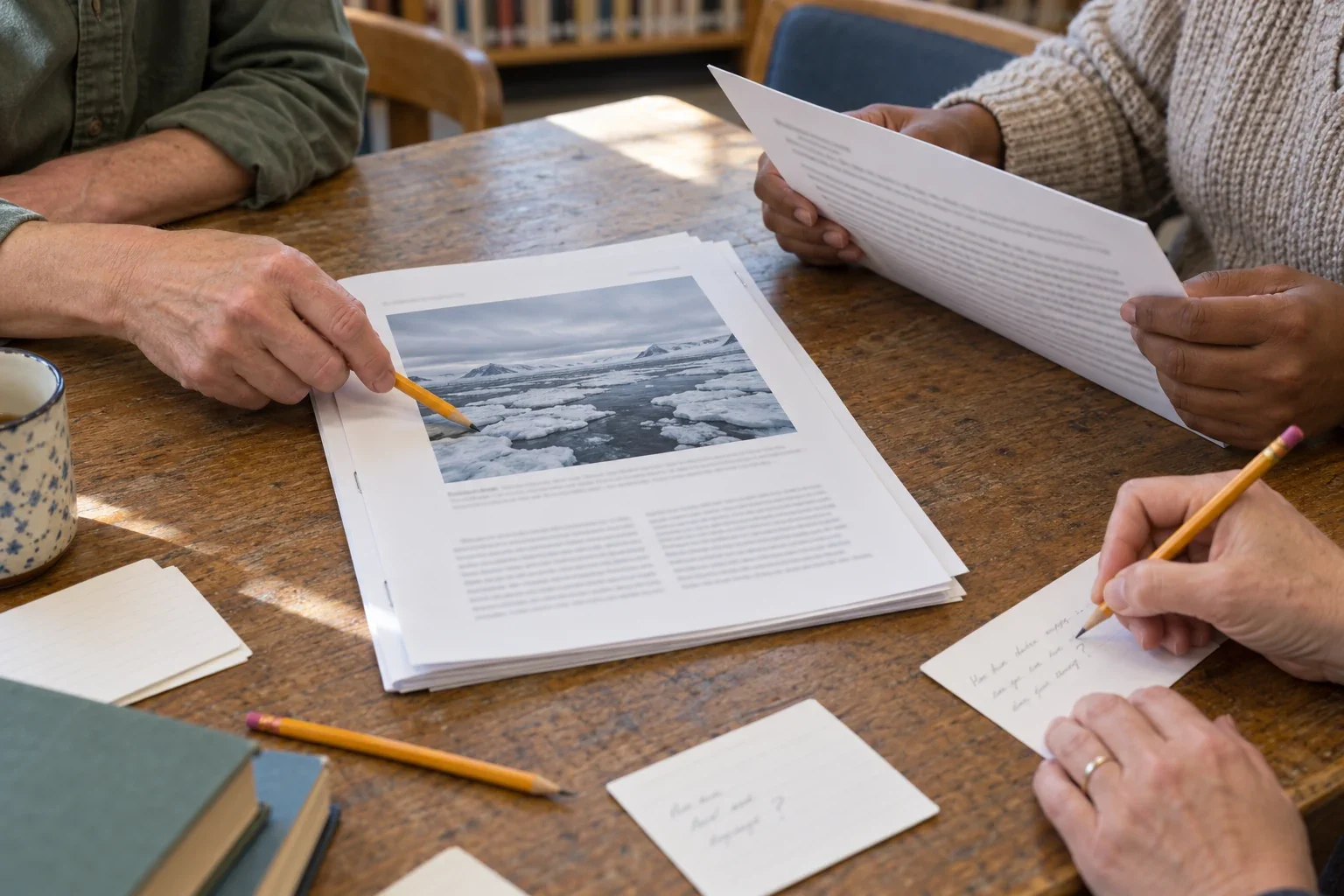
An evidence session with room for a better question
Design a school or community session around one source, a testable claim, accessible participation, and a traceable answer rather than a roomful of pledges.

Read the Arctic Report Card beyond the headlines
Follow a headline into its definition, table, calendar, and method, from daily sea ice minima to the limits of an observing-network assessment.
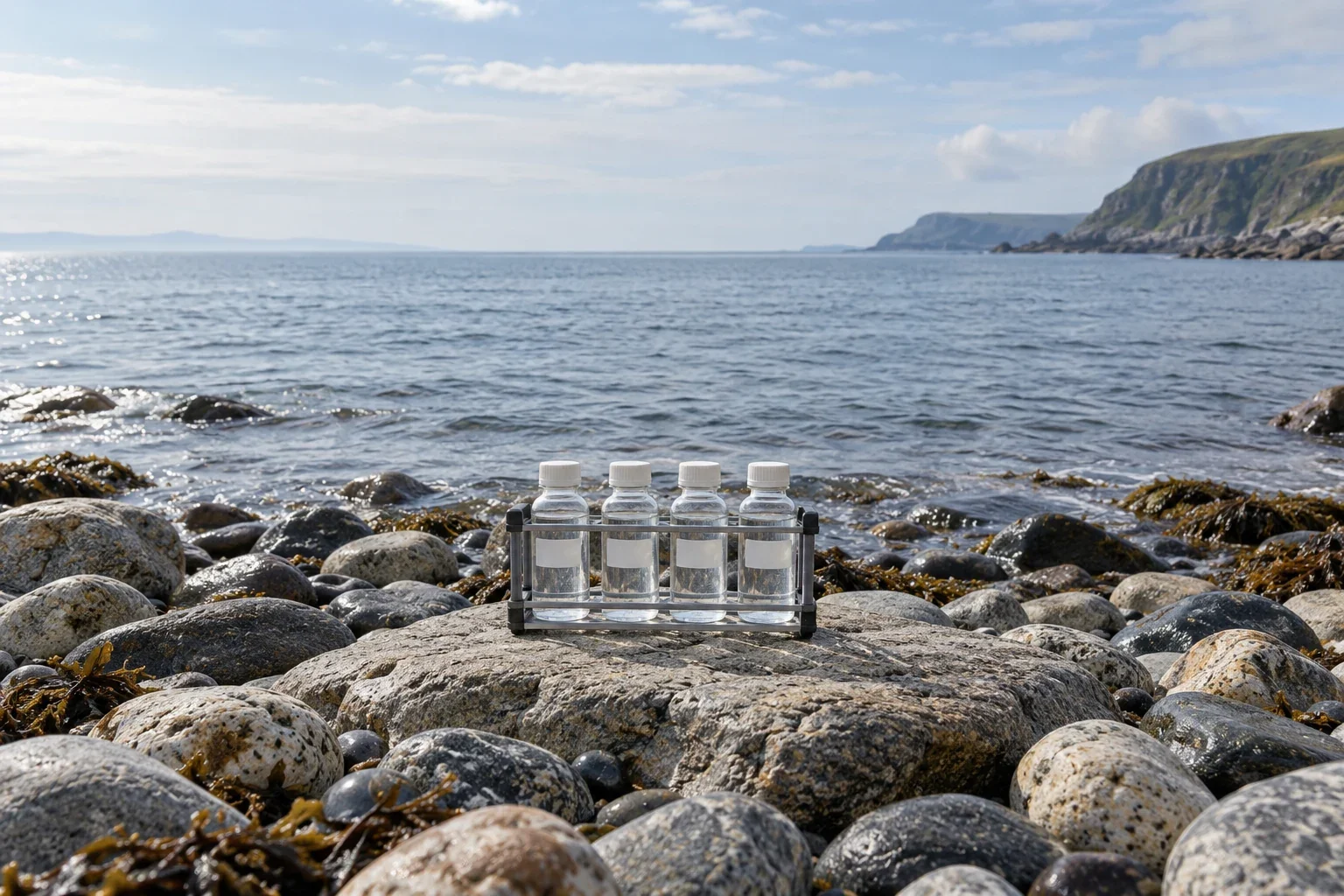
Say what is uncertain, precisely
Distinguish measurement ranges, confidence, mechanisms, and policy choices. Specific limits make climate evidence more usable than vague caution.
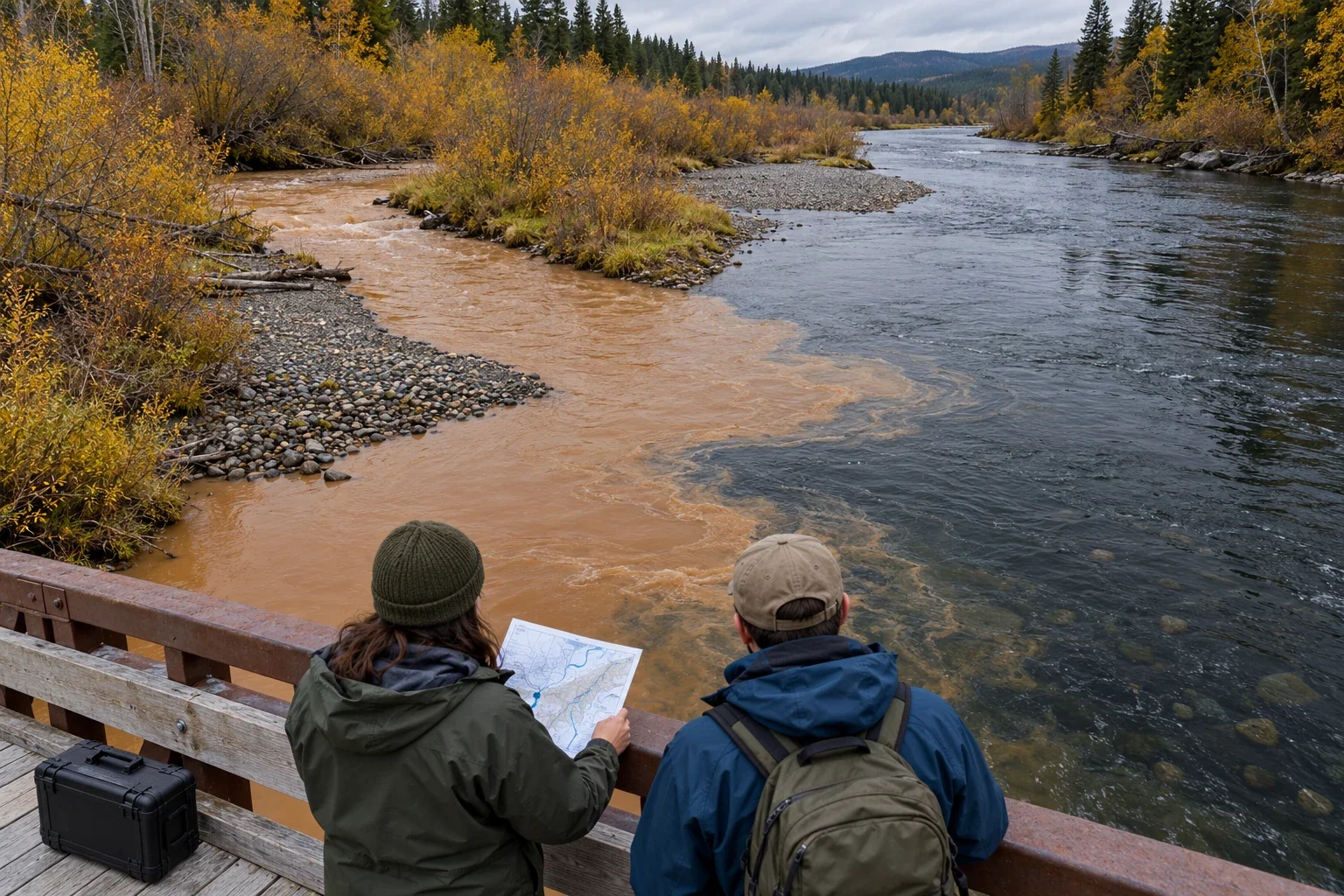
A research question before a sensor
Use a hypothetical river-water question to work backwards from a real concern to sampling, competing explanations, maintenance, and a defensible measurement.
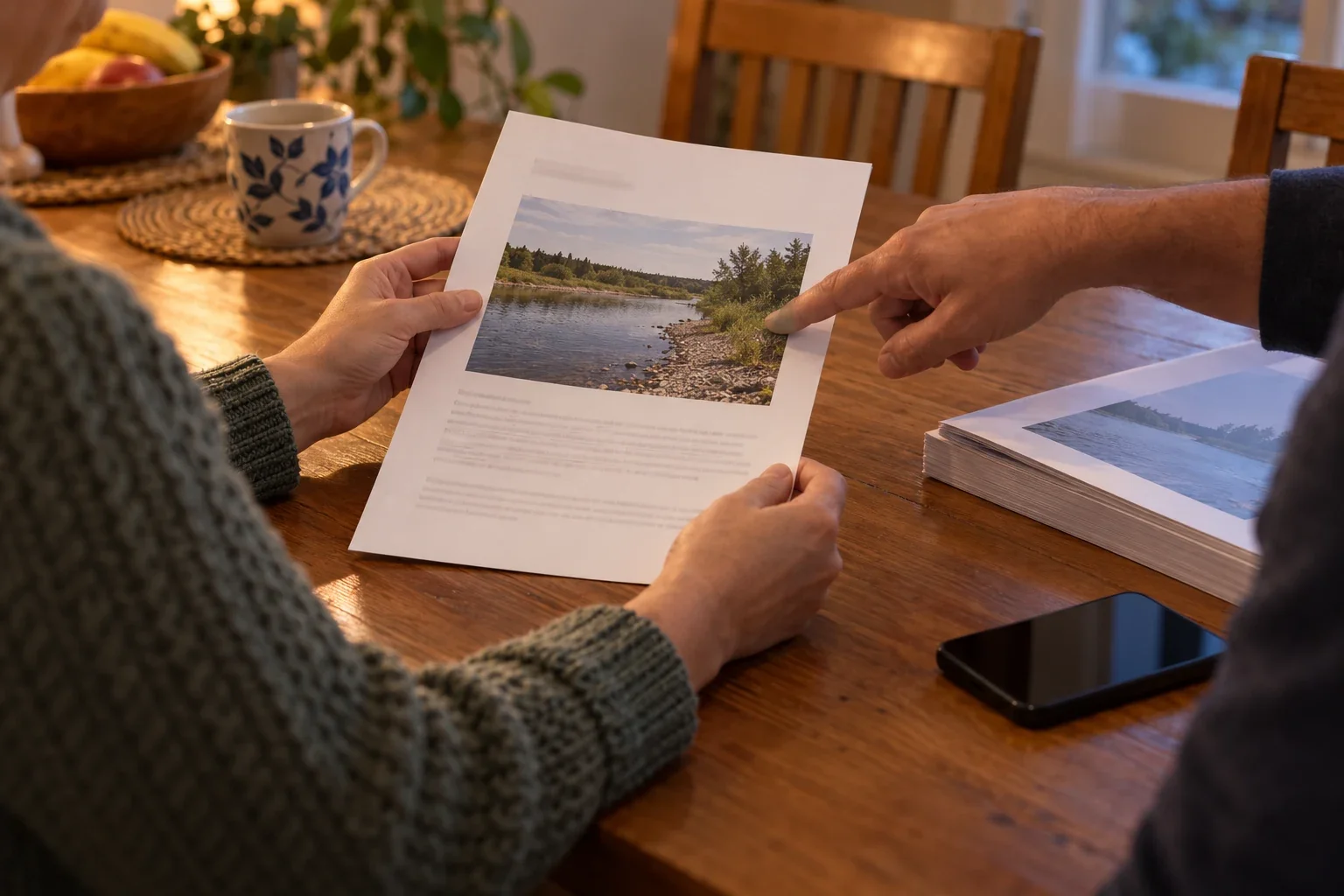
When results make the journey home
Return an understandable answer, not merely a download link: agree formats, protect privacy, explain charts, and leave a route for questions and corrections.

Open data, whose authority?
Reading the National Inuit Strategy on Research as connected commitments to governance, funding, capacity, and data authority, not a permission checklist.
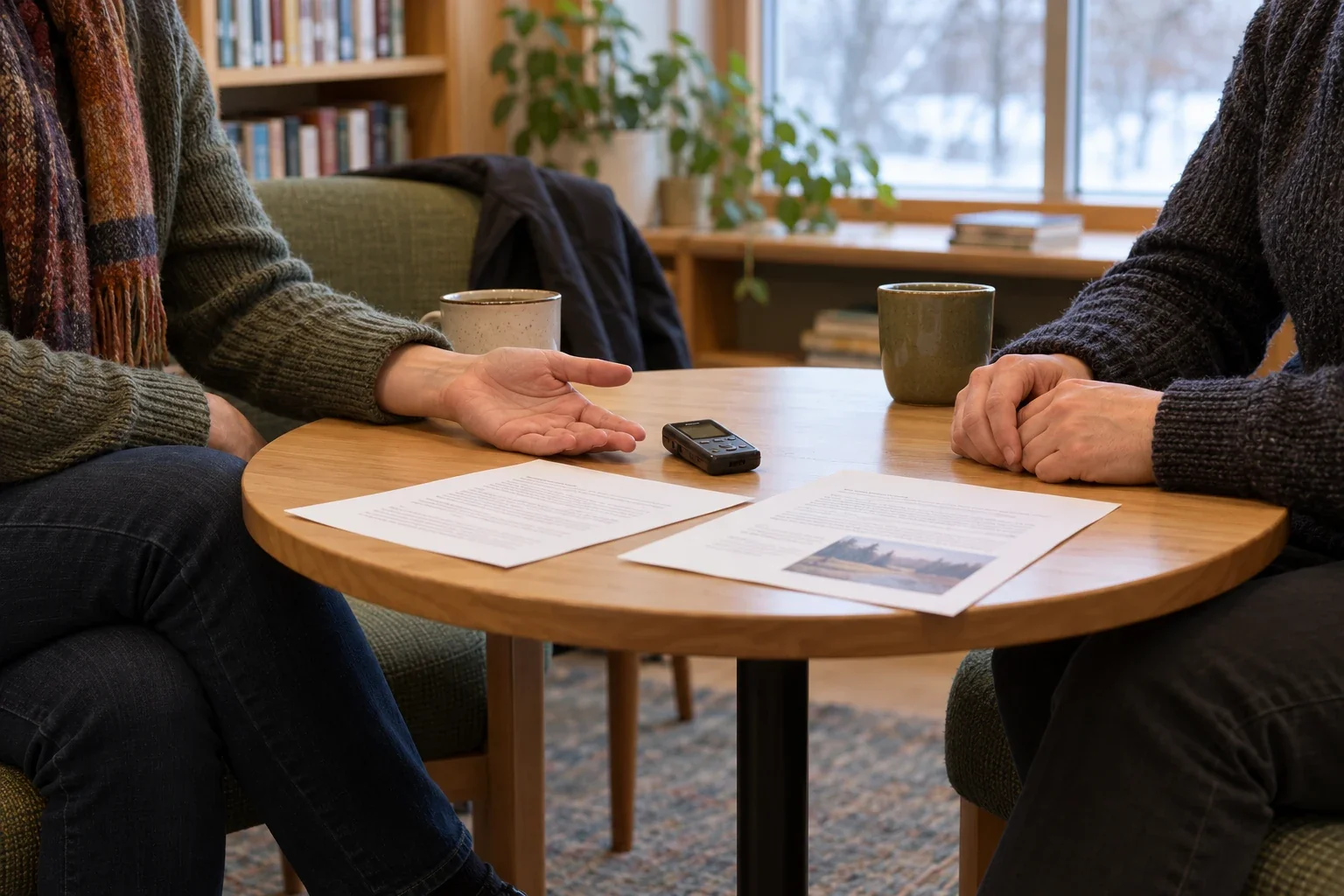
Consent is a conversation, not a form
Make refusal usable, separate individual consent from collective authority, and explain what happens when a research plan or permission changes.

A reproducible chart starts before the chart
Keep the question, baseline, input version, filters, and calculation with a public graphic so another reader can recover more than its pixels.
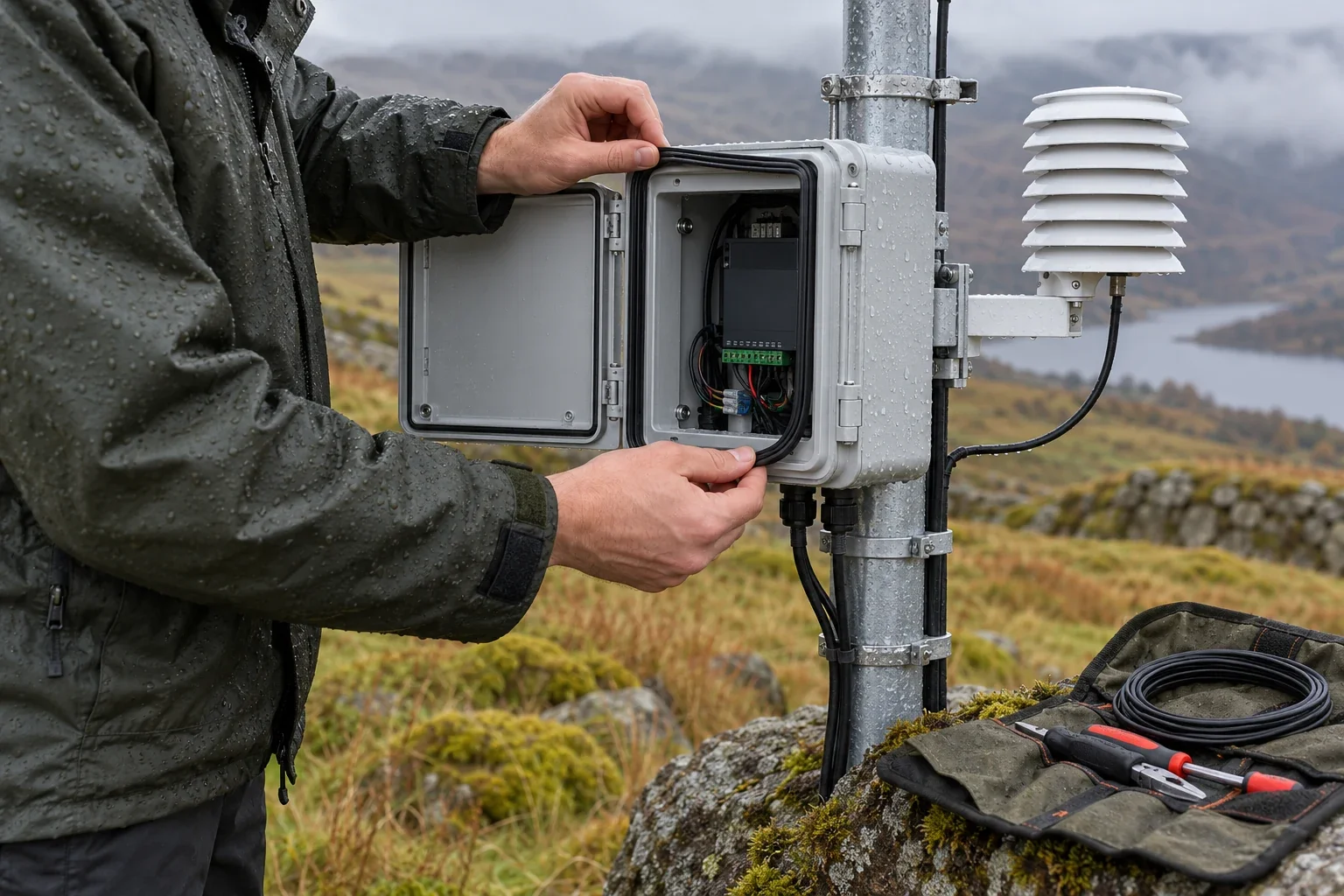
Maintenance is the next observation
A long record needs more than a new sensor. Budget for the second winter, skilled people, governed stewardship, and a responsible ending.
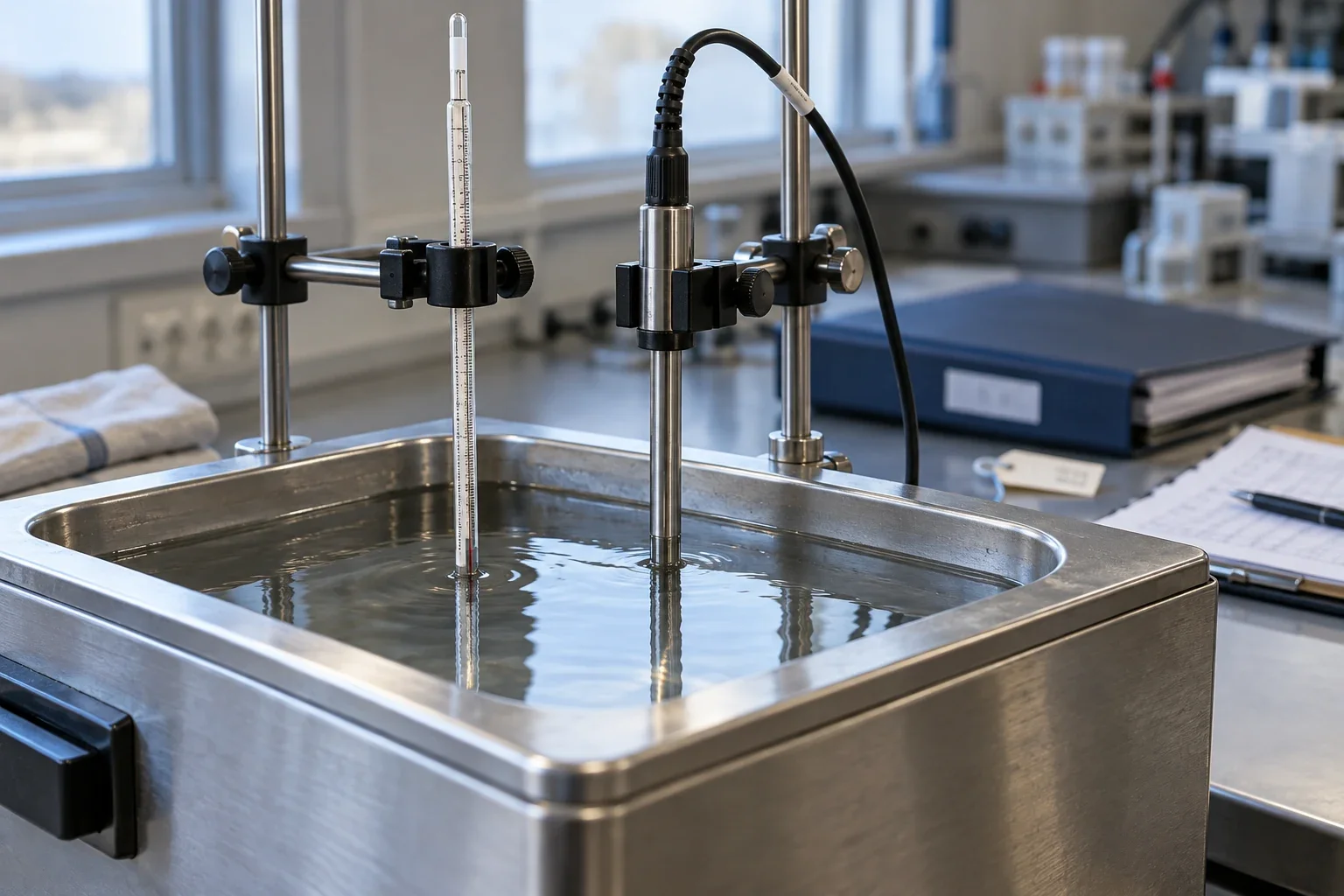
The calibration record behind a trusted number
Traceability, adjustment, field checks, and sensor replacement: why a certificate cannot carry the whole uncertainty of a measurement.
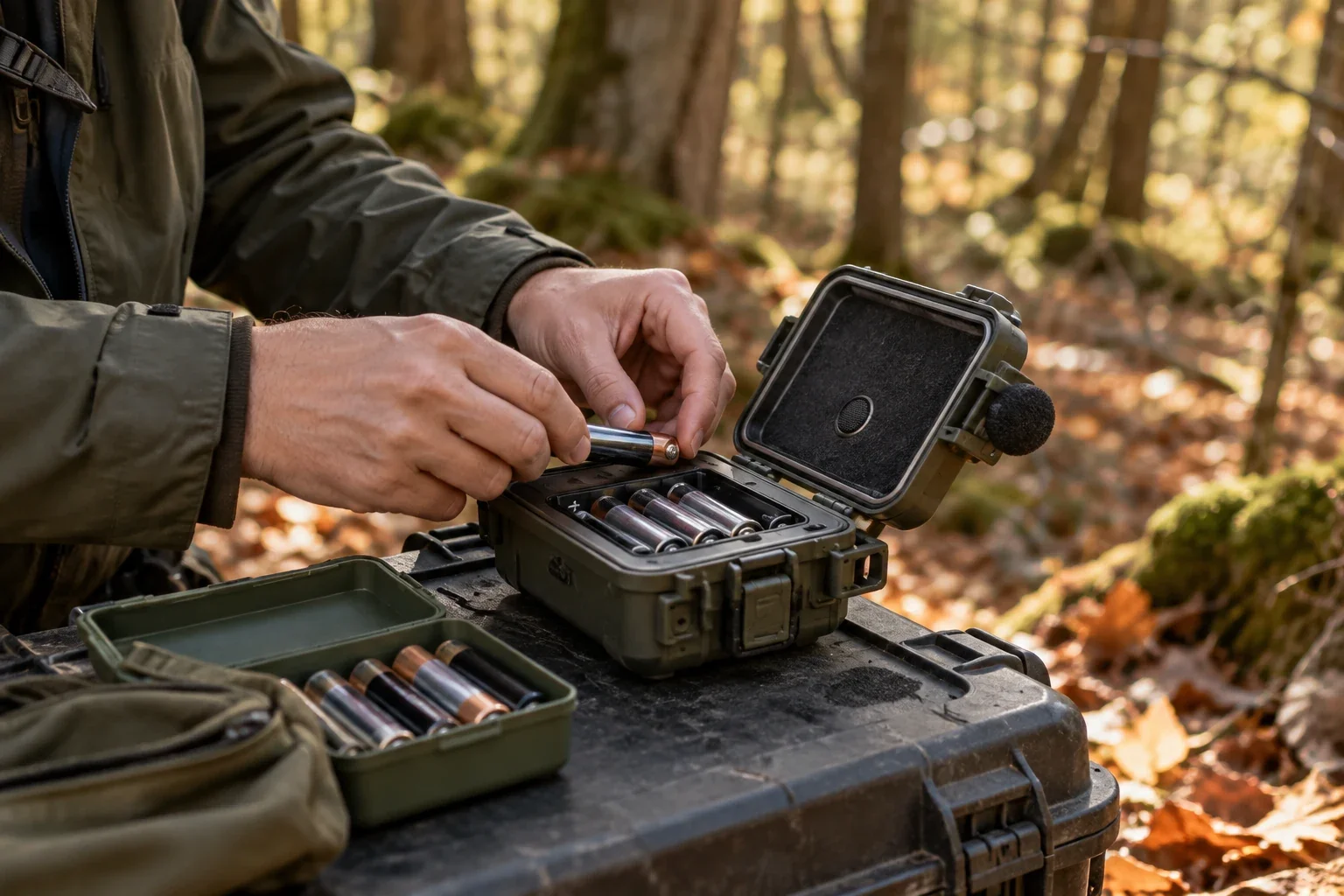
Missing observations are not zeroes
A failed recorder, a masked call, and zero detections are different findings. How effort, flags, and honest gaps protect an observation record.
Metadata that outlives an instrument
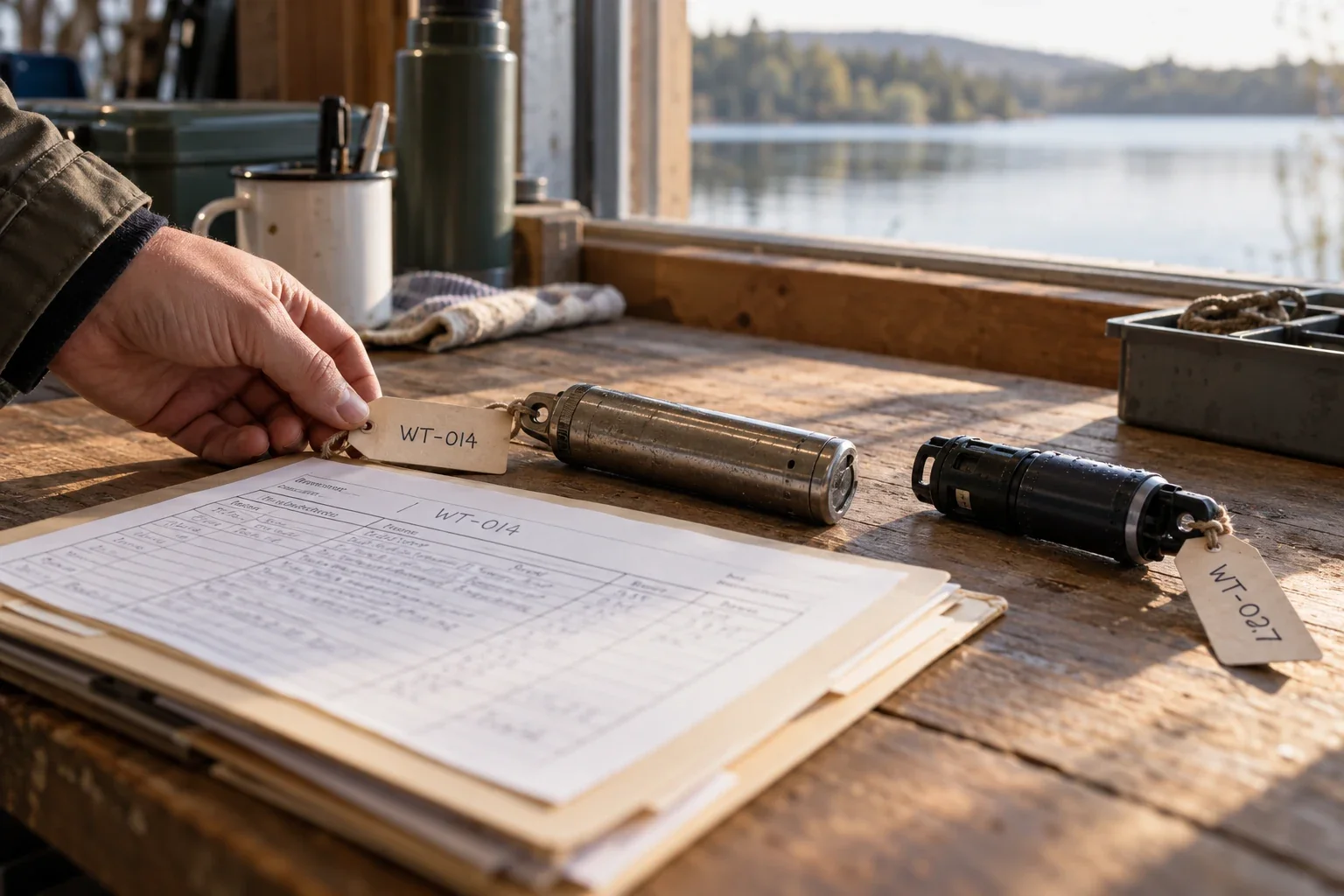
What a future reader needs to recover a measurement's meaning: sampling intervals, deployment changes, versions, governance, and a responsible steward.
A consultation response someone can act on
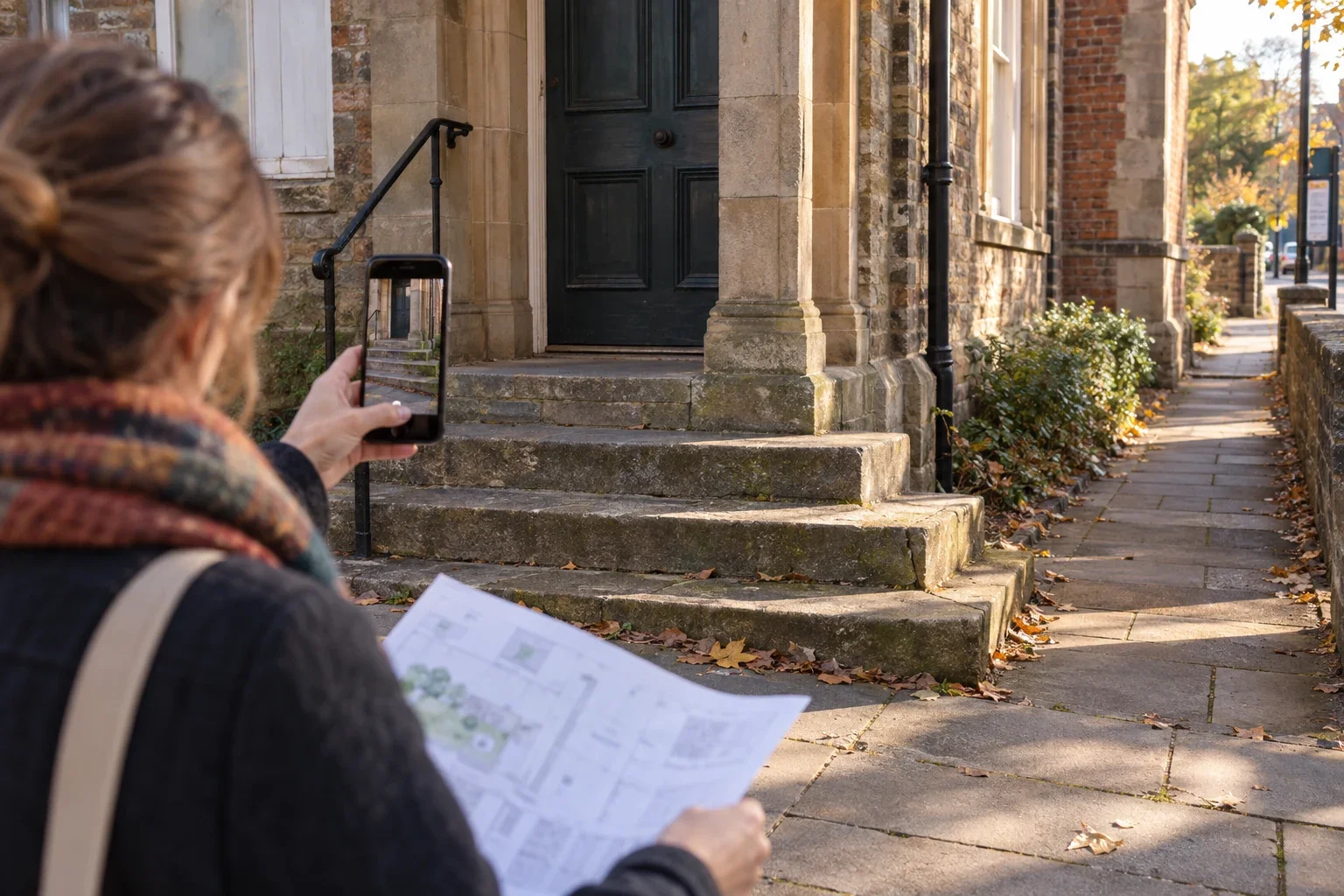
Find the decision still open, connect local experience to the relevant proposal, request a specific change, and keep the question in the decision record.

Keep the question small when you disagree
Separate observations, causes, uncertainty, and policy choices so that a difficult climate discussion can return to a claim the evidence can answer.
Why the default is not a personal choice
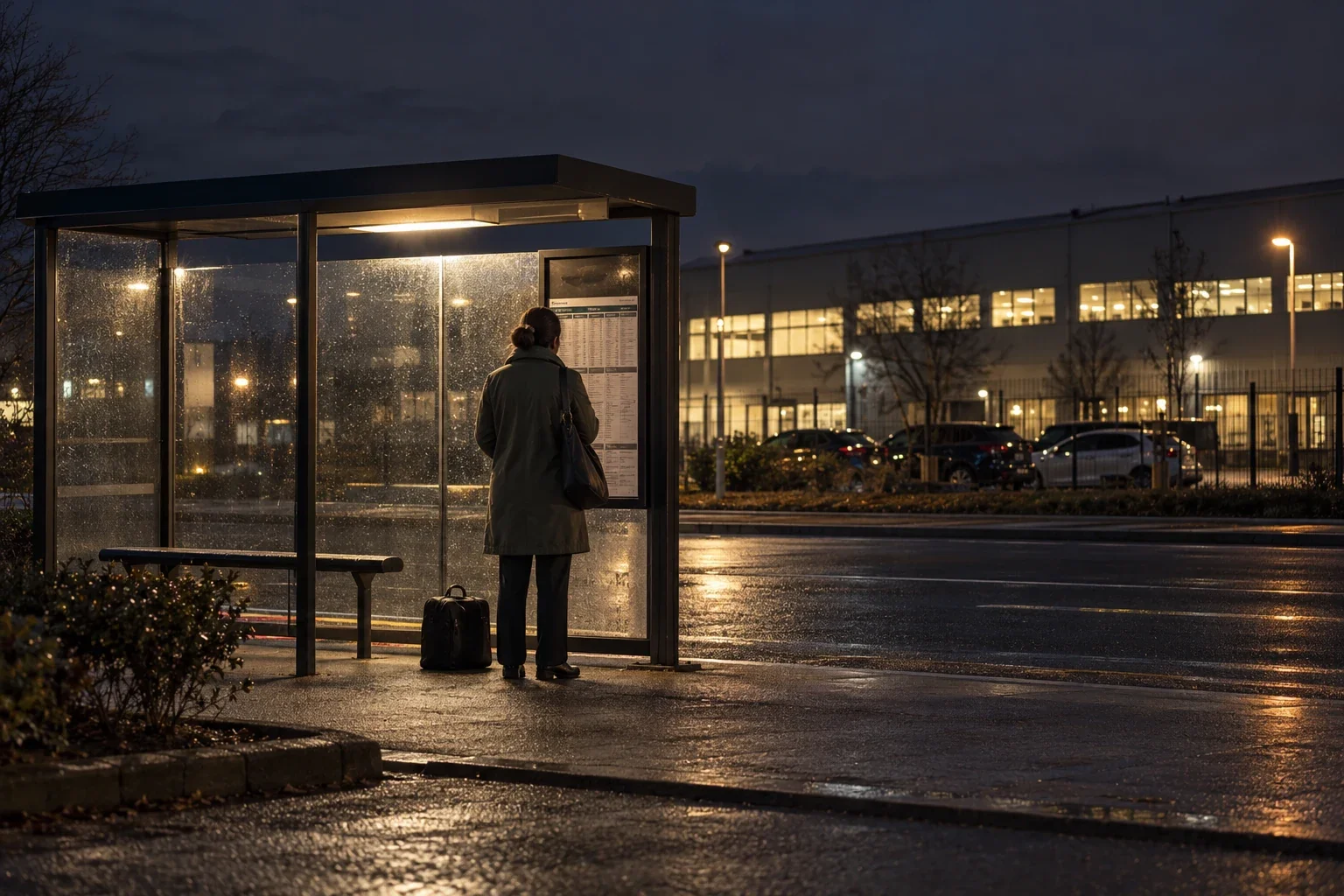
Follow a late journey home to see how schedules, infrastructure, and workplace rules determine which lower-impact choices are genuinely available.
Enough food for the room
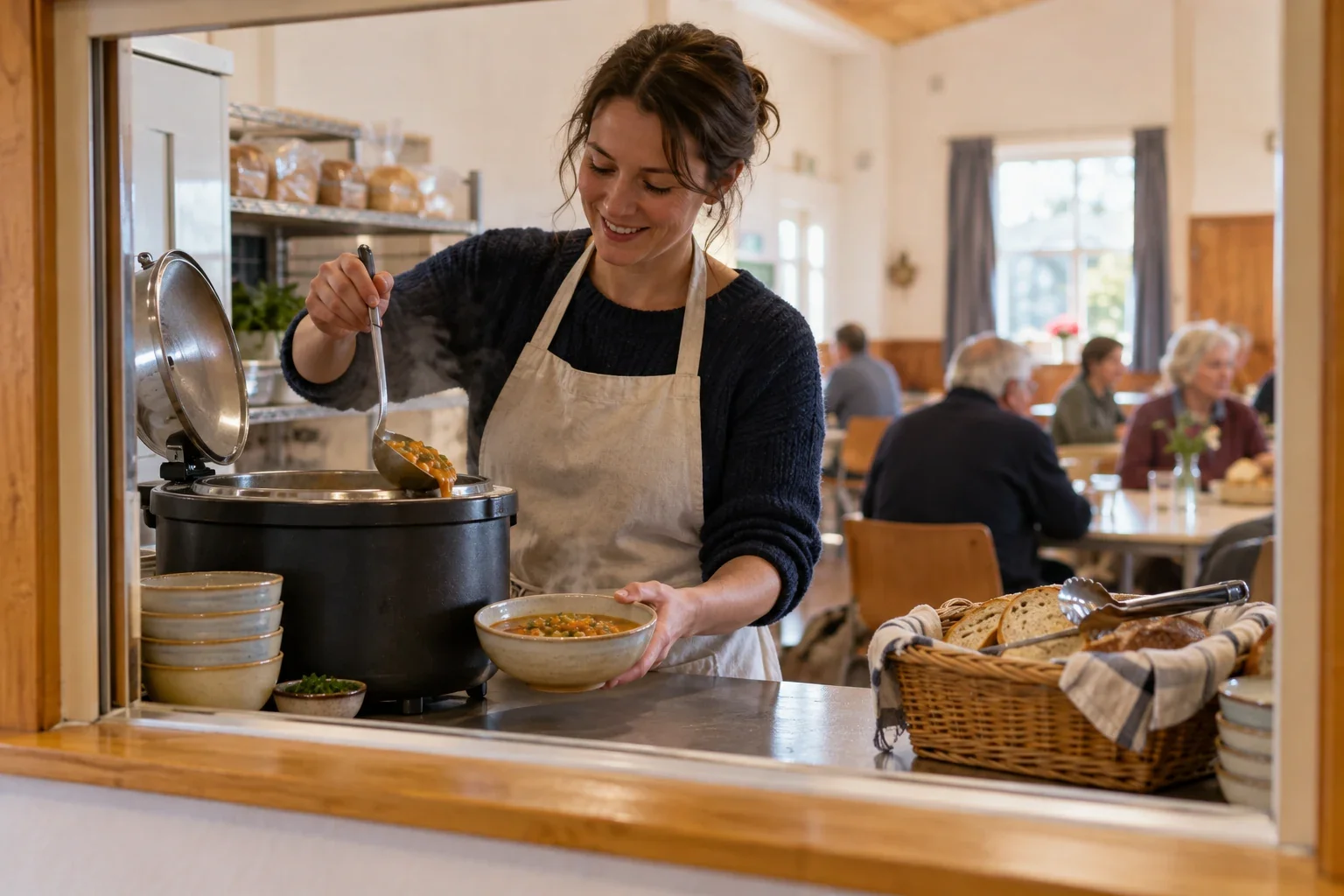
Plan community catering around attendance uncertainty, appetite, allergens, safe reserves, and a realistic end-of-event food and labour plan.

A carbon label is a question, not a verdict
Read the unit, life-cycle boundary, comparison, and evidence behind a product claim before asking a carbon number to settle the purchase.
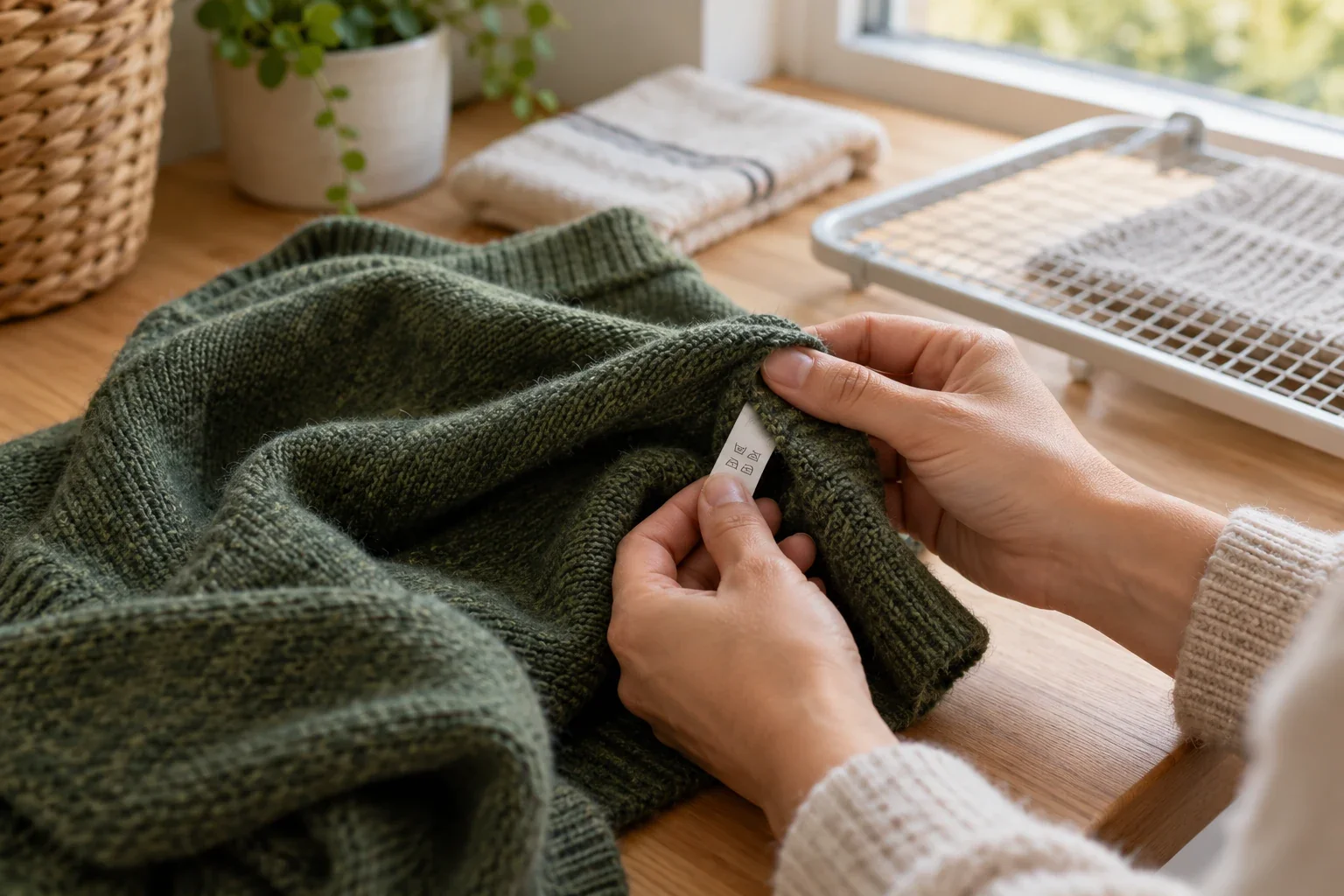
Read the care label before laundry day
Washing limits, mechanical action, drying space, and shared care knowledge can keep garments useful without imposing an impossible laundry routine.
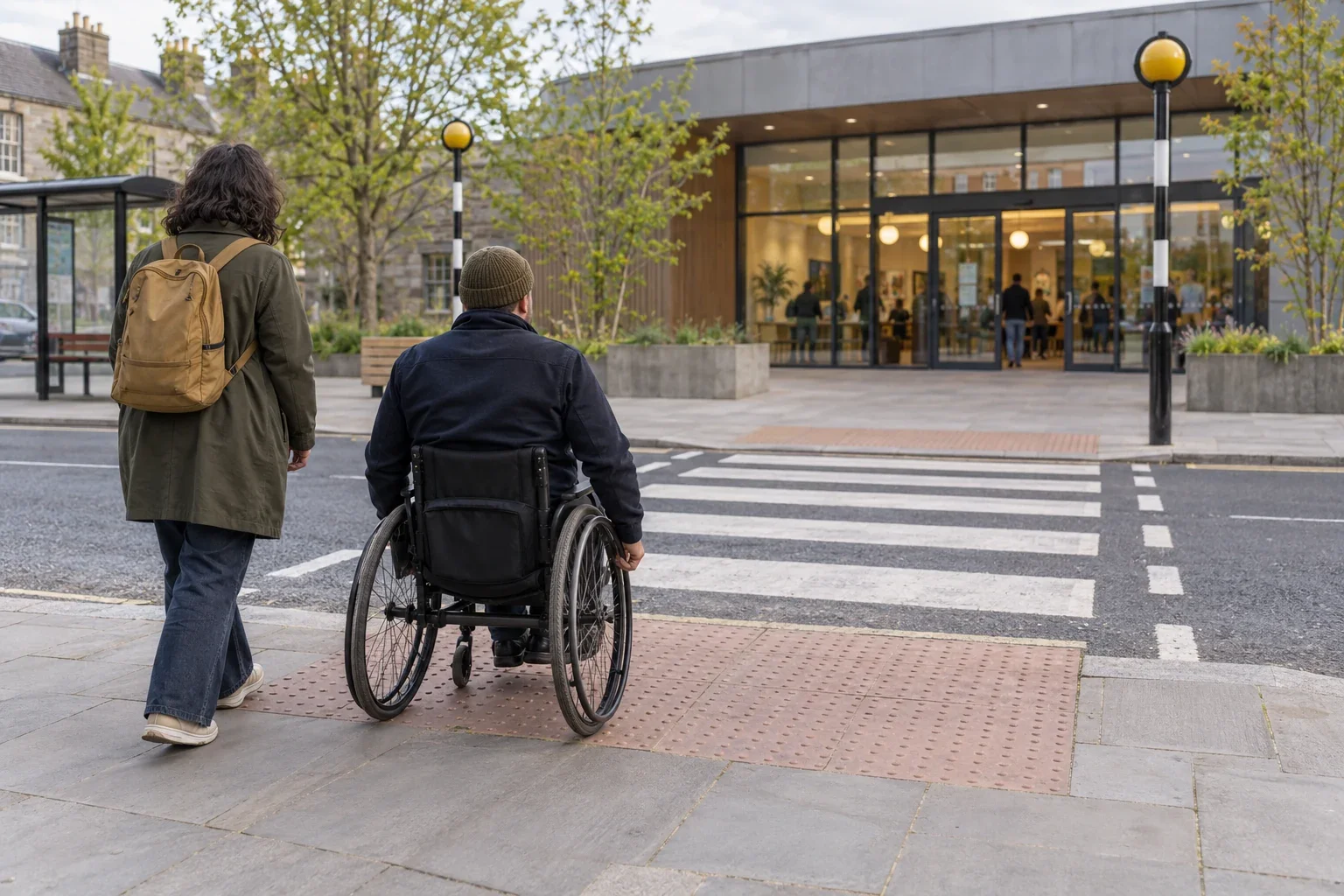
Plan the last mile before the invitation
Event organisers can make travel usable by checking arrival chains, return services, access information, programme timing, and support budgets early.

Asking for a warmer building together
Bring recurring heating reports into a collective request while protecting privacy, preserving urgent repair routes, and naming building responsibilities.