


The office chair before the order form
Use a real workplace order to connect accessibility, existing stock, supplier evidence, whole-life costs, and responsibility after delivery.

What the food bin can tell you
A small, non-judgemental food audit can reveal whether pack sizes, storage, changing plans, or unclear labels are causing avoidable waste.
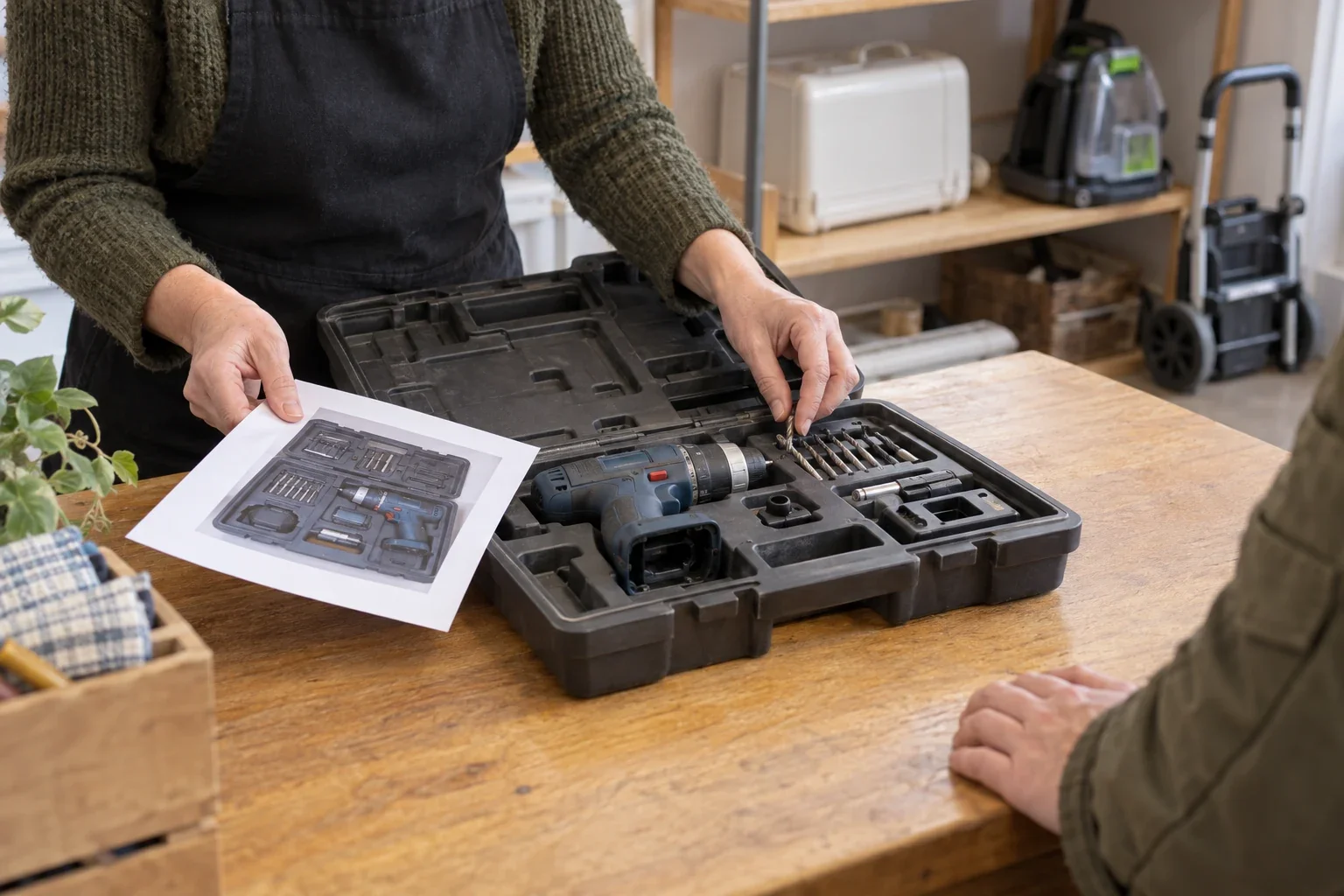
A library of things needs a return desk
Reliable shared equipment needs accessible collection, safe handovers, maintenance, and fair rules, not simply a cupboard of donations.
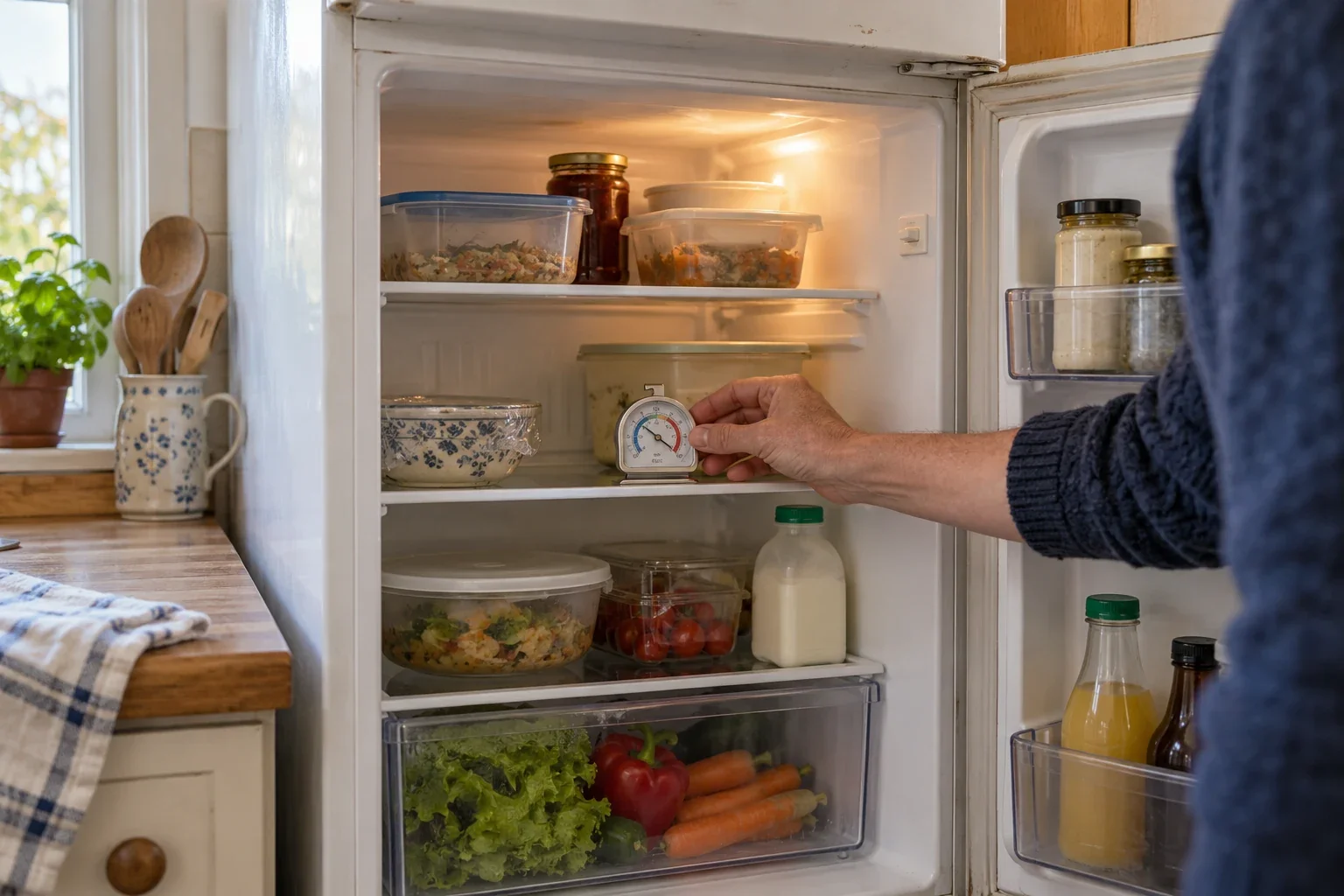
Before you replace the fridge
Separate safety, useful capacity, running costs, and life-cycle evidence before deciding whether an appliance should stay or go.
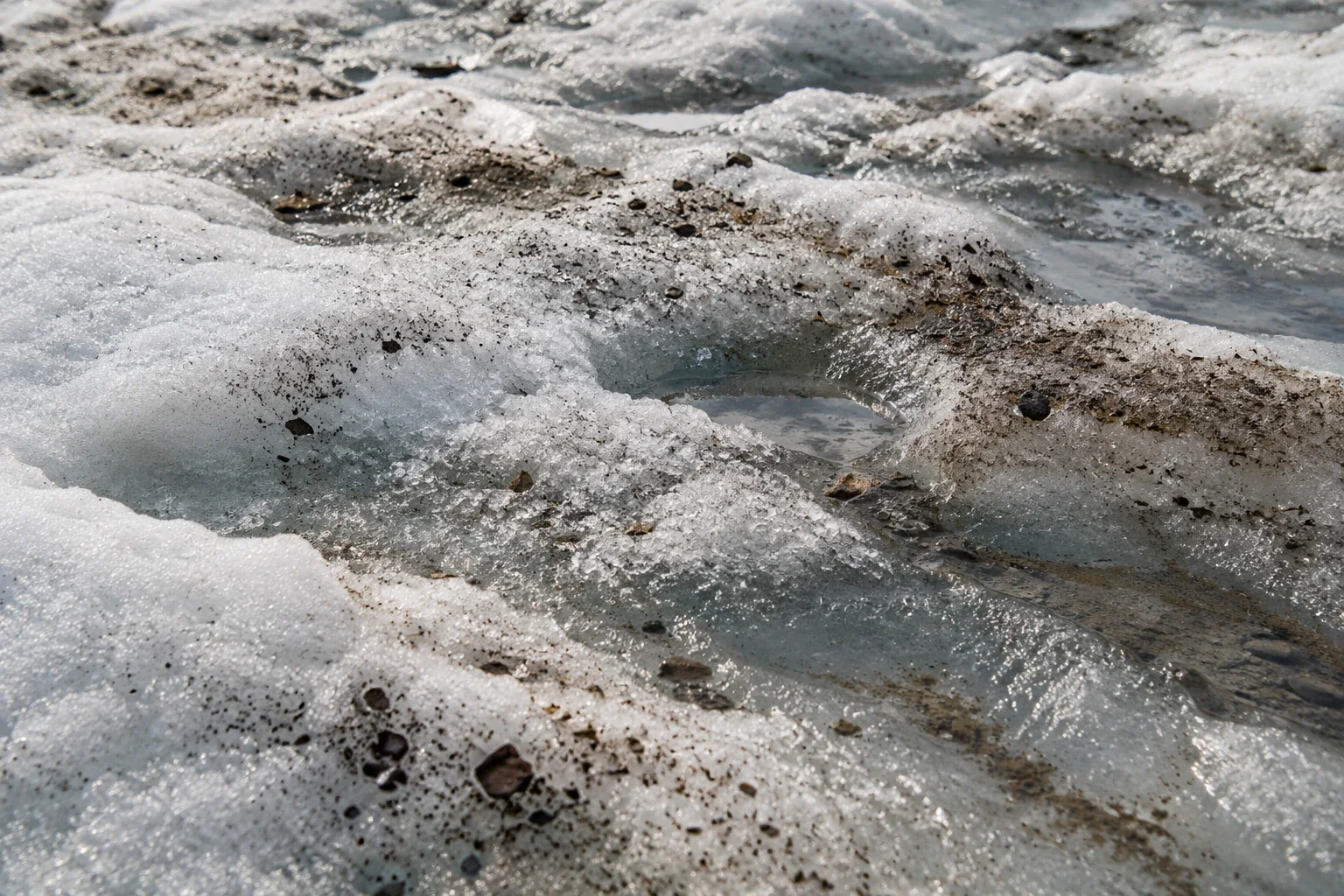
Greenland's dark ice has more than one cause
Snow retreat, glacier algae, particles, and ice texture all influence reflectivity. Separate the observed darkening from its cause and melt consequence.
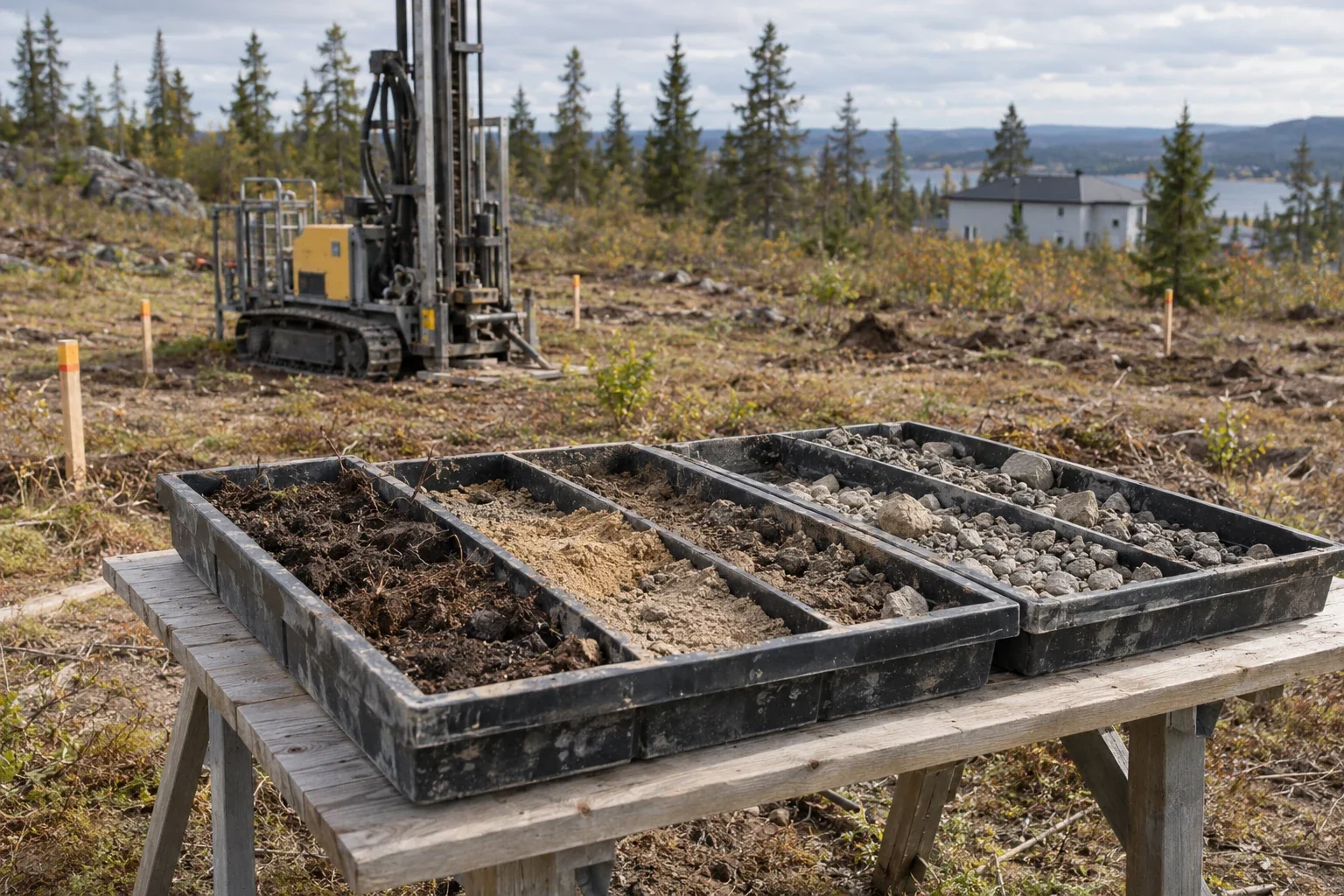
A permafrost map cannot inspect a building plot
Read extent classes, ground-ice estimates, map scale, and missing coverage before asking a regional map to answer a site-specific question.
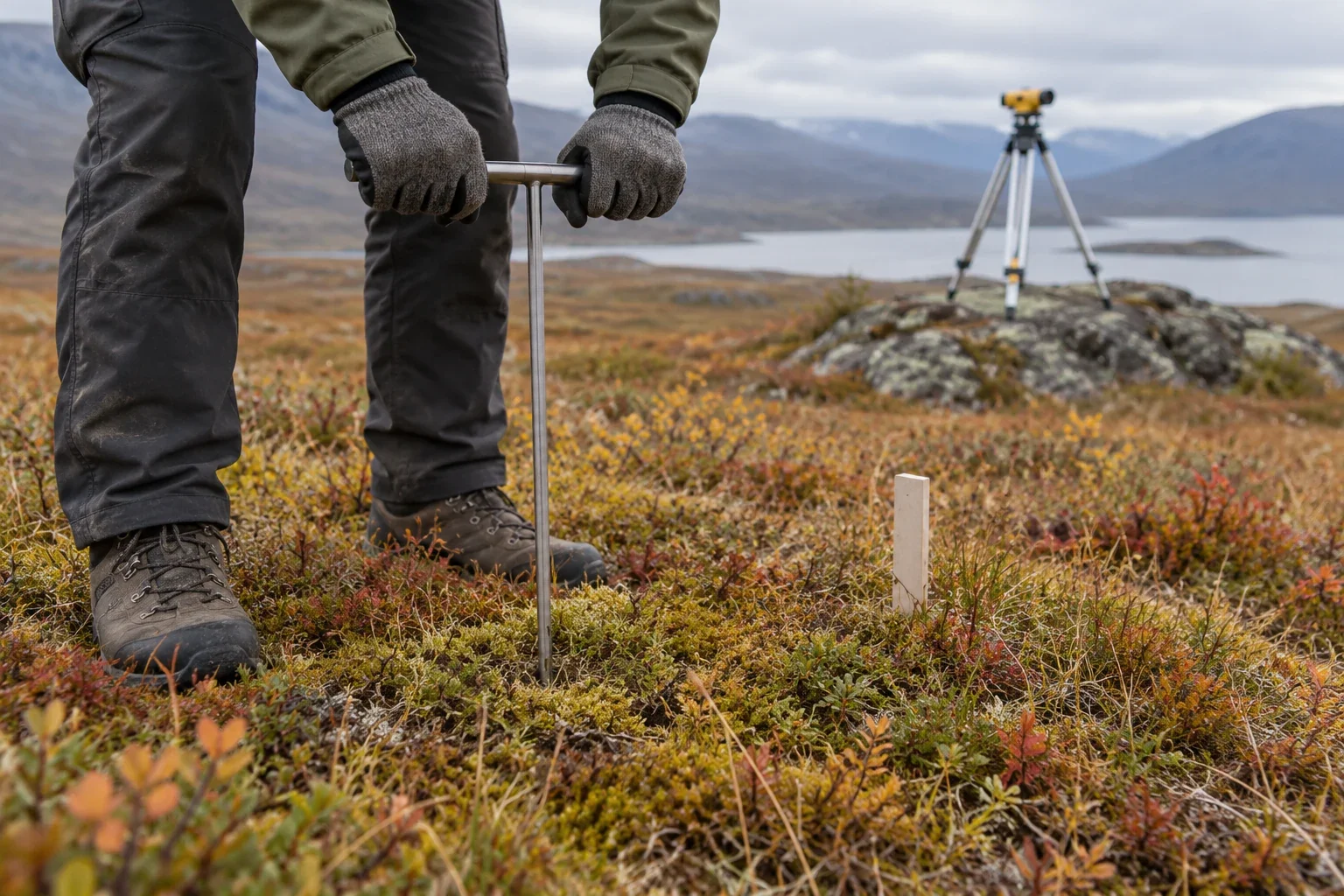
When the ground moves beneath the ruler
A repeated thaw depth can hide a moving surface. Reference conventions, probe refusal, seasonal timing, and survey history keep comparisons honest.
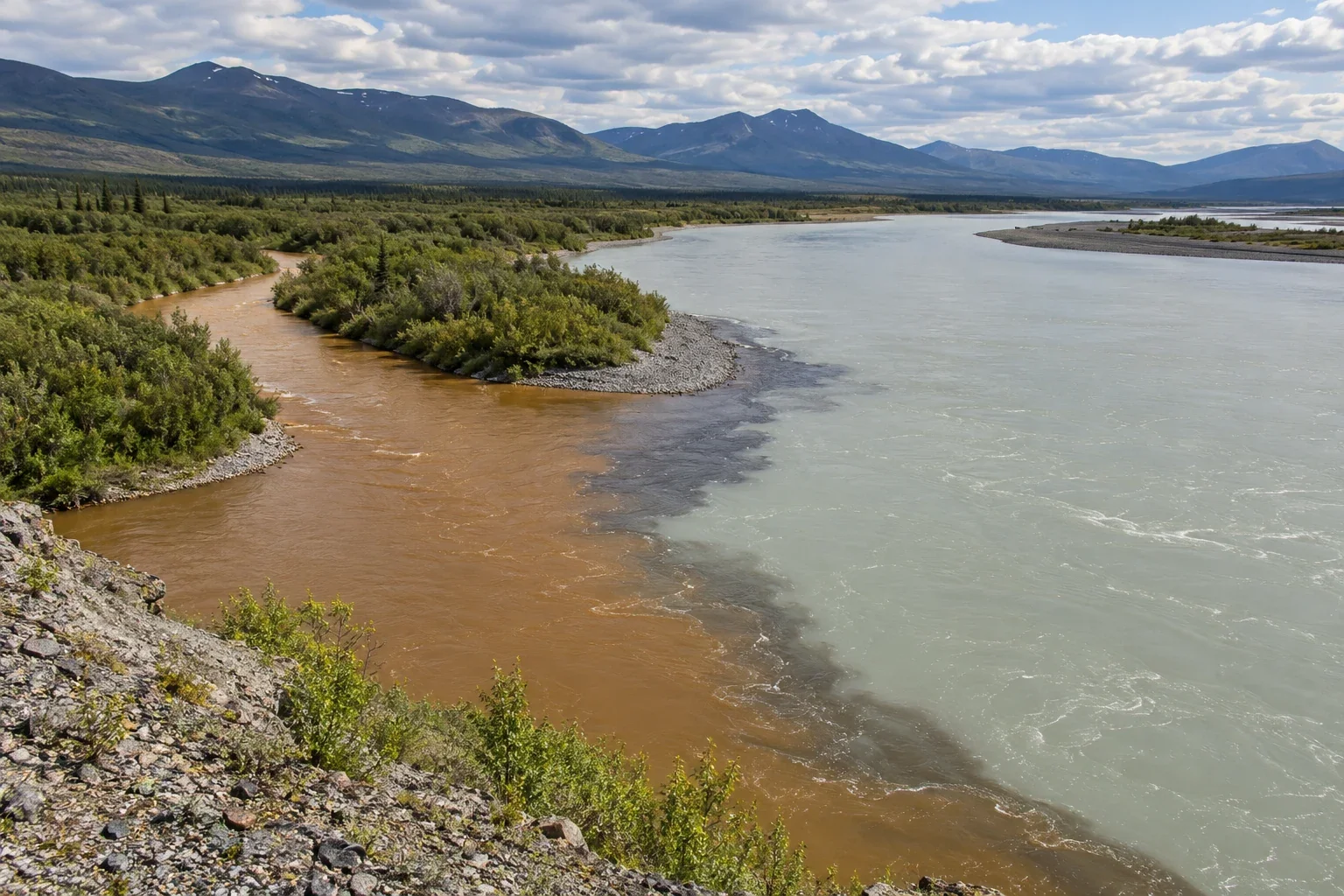
The muddiest water may not carry the most sediment
Concentration is only part of sediment transport. Water flow, event timing, particle properties, and representative sampling complete the picture.
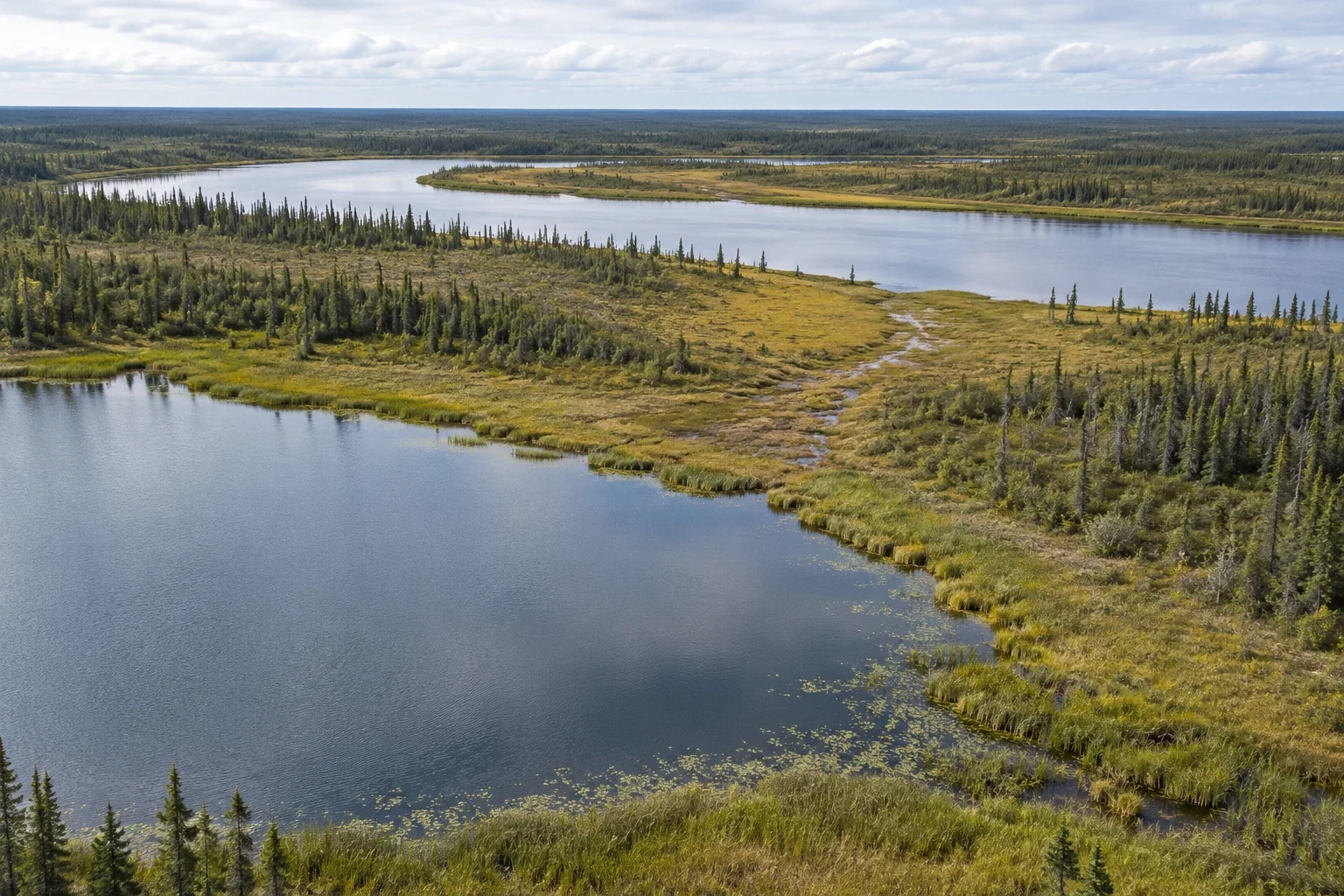
The lake with no visible outlet
Seasonal floods and hidden subsurface pathways connect northern waters. Yukon Flats research shows why a shrinking shoreline is not a complete diagnosis.
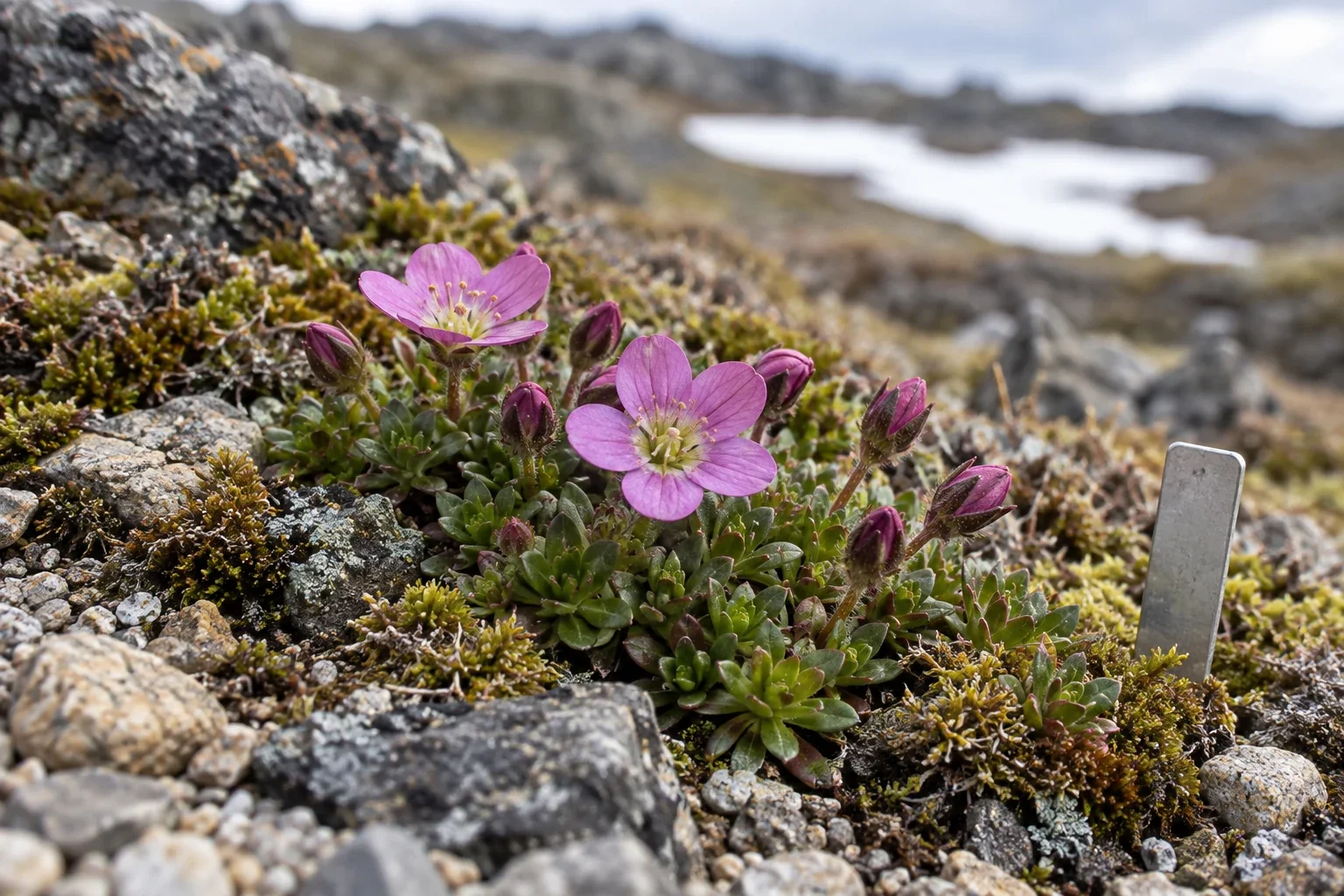
The first flower needs a previous visit
A first detection is not an exact onset date. Negative observations, visit intervals, and flowering intensity make phenology records more useful.
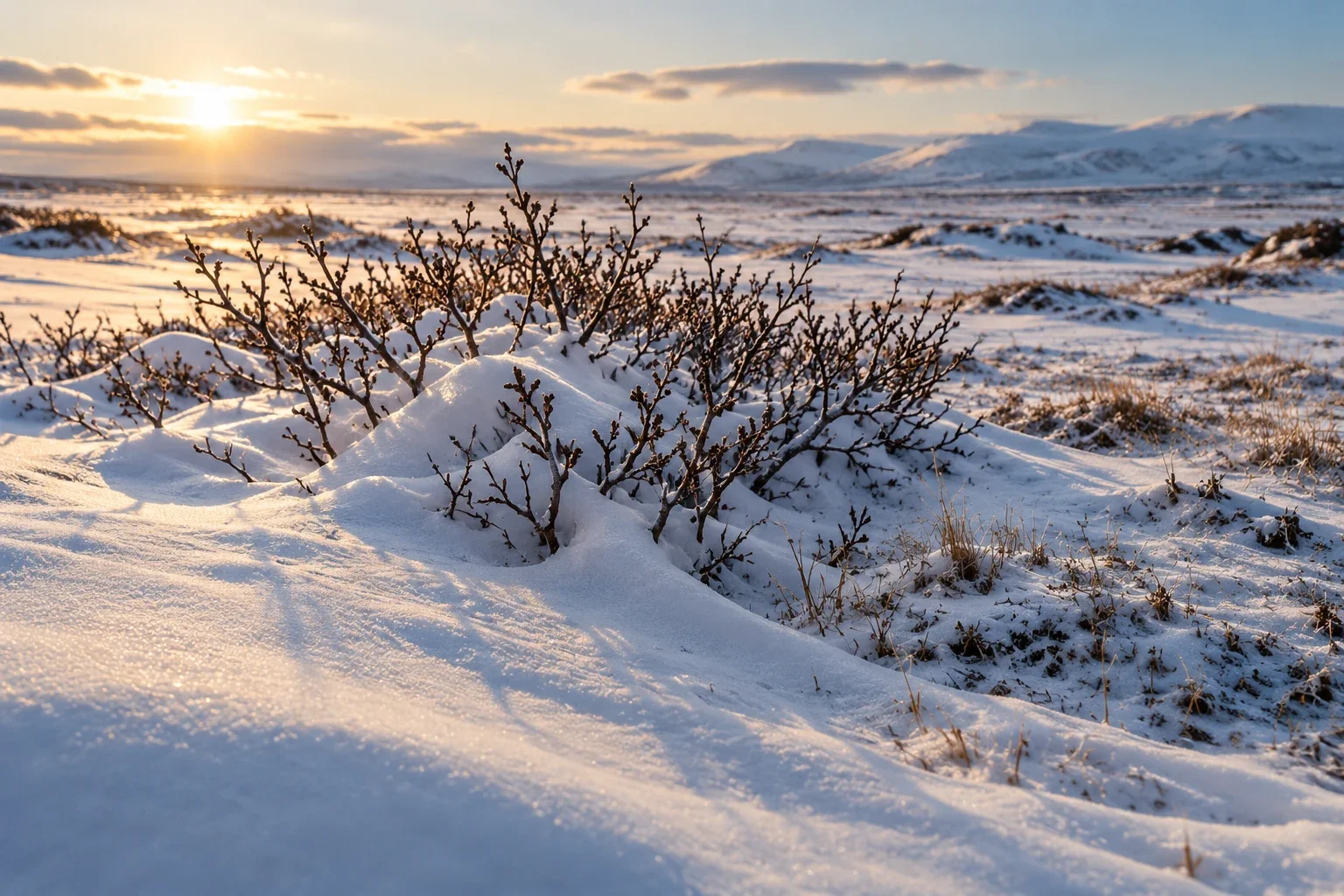
What taller shrubs do to winter
Shrubs alter snow structure, insulation, and sunlight. Published studies show why winter warming and summer soil effects must be read together.
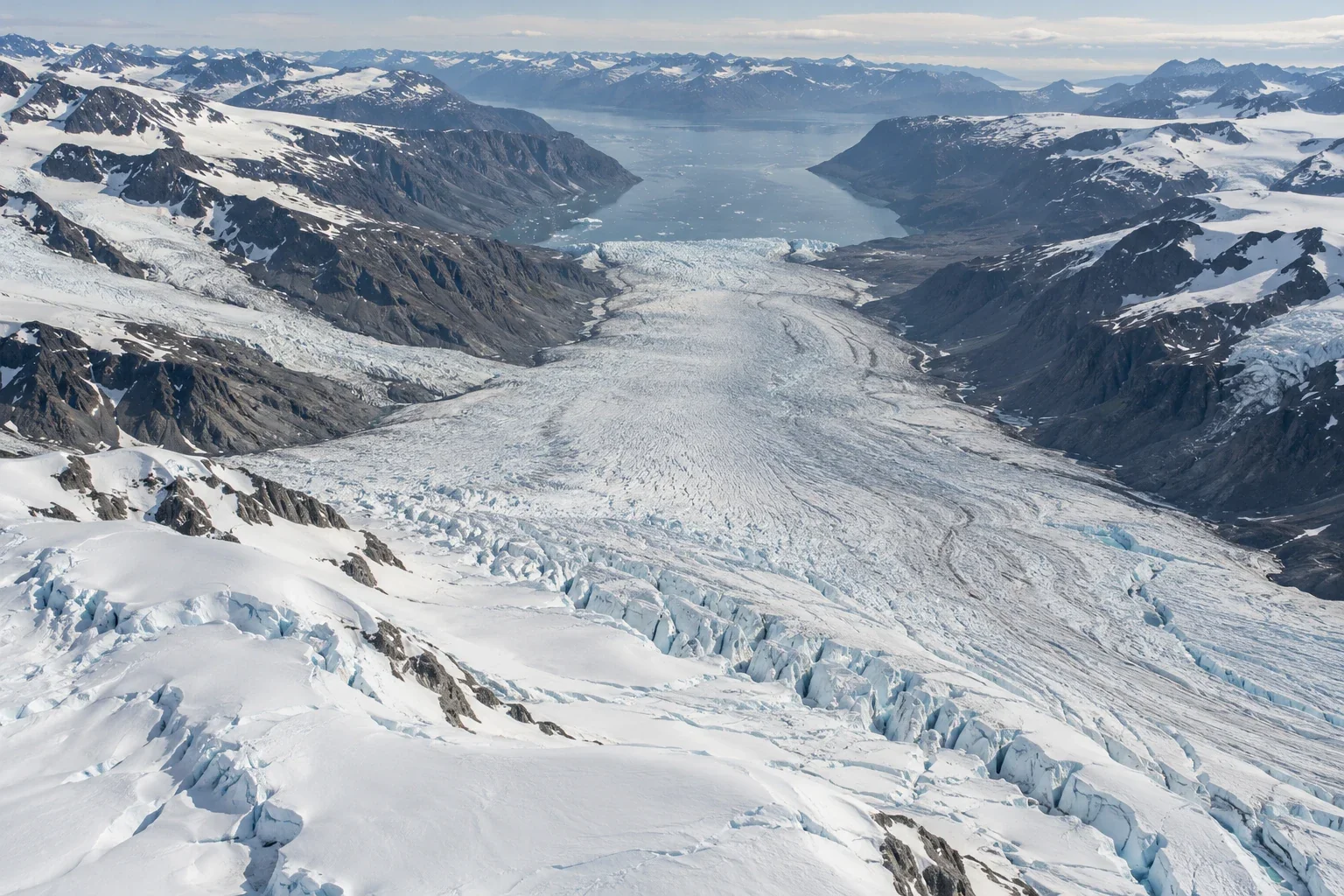
A glacier front is not a balance sheet
Why a glacier's edge, speed, surface height, and total mass can tell different stories, with Greenland's 2025 budget as a grounded example.
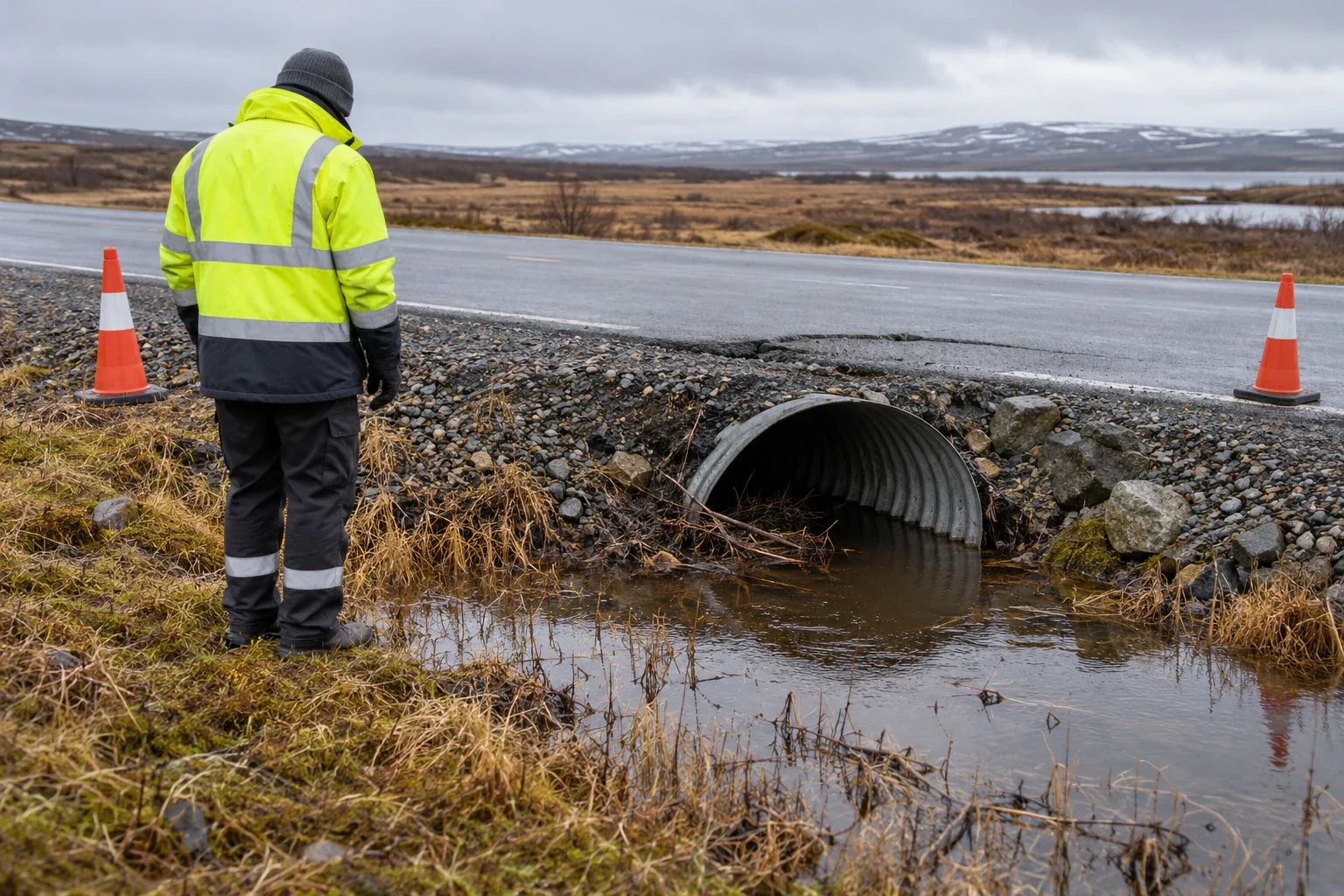
A cracked road needs more than a thaw map
Settlement, erosion, drainage, and slope movement are different infrastructure problems. Start with the service at risk and the evidence for its failure.
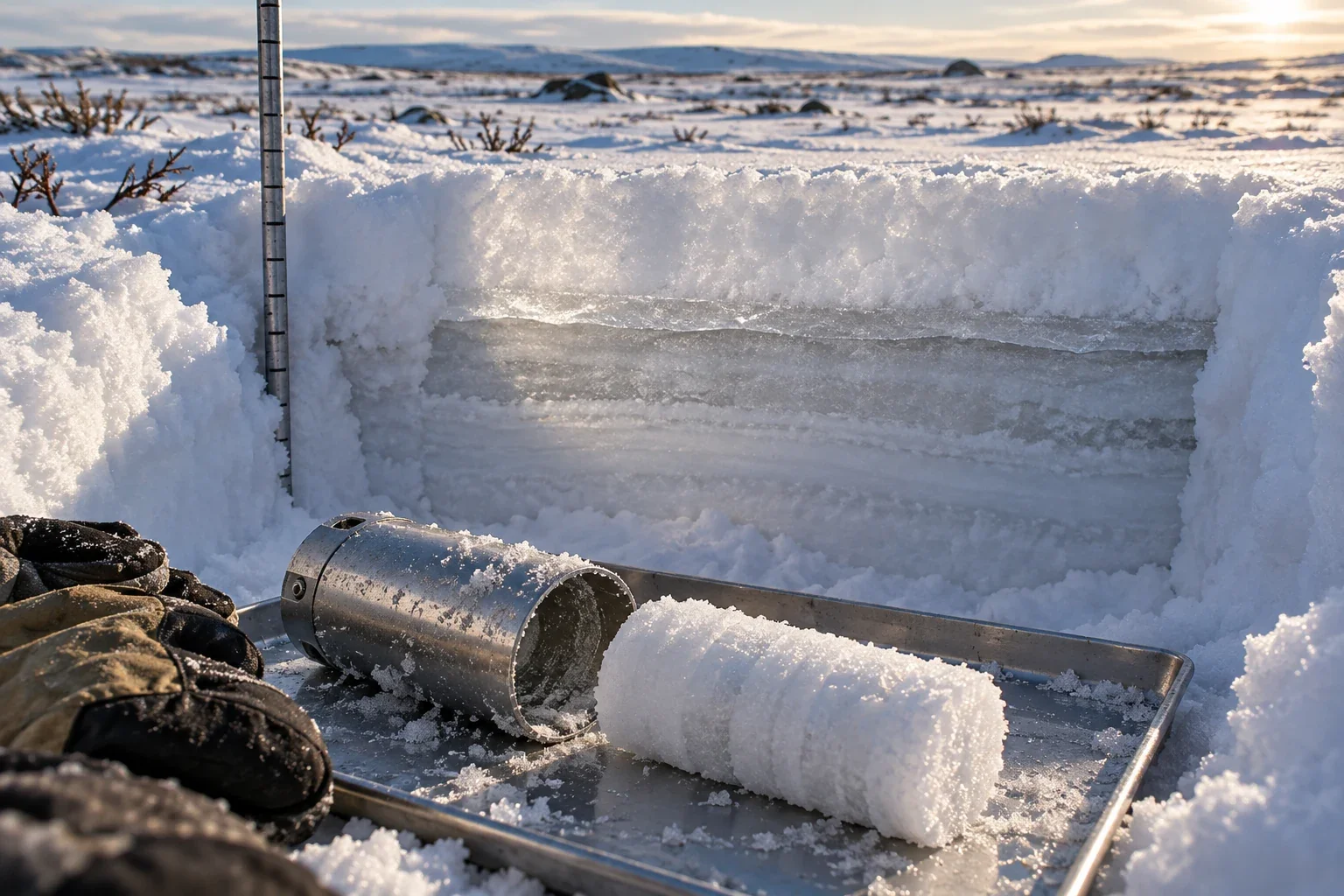
How much water is in that snow?
Equal snow depths can hold different amounts of water. Density, wind redistribution, and sampling purpose determine what a winter measurement means.
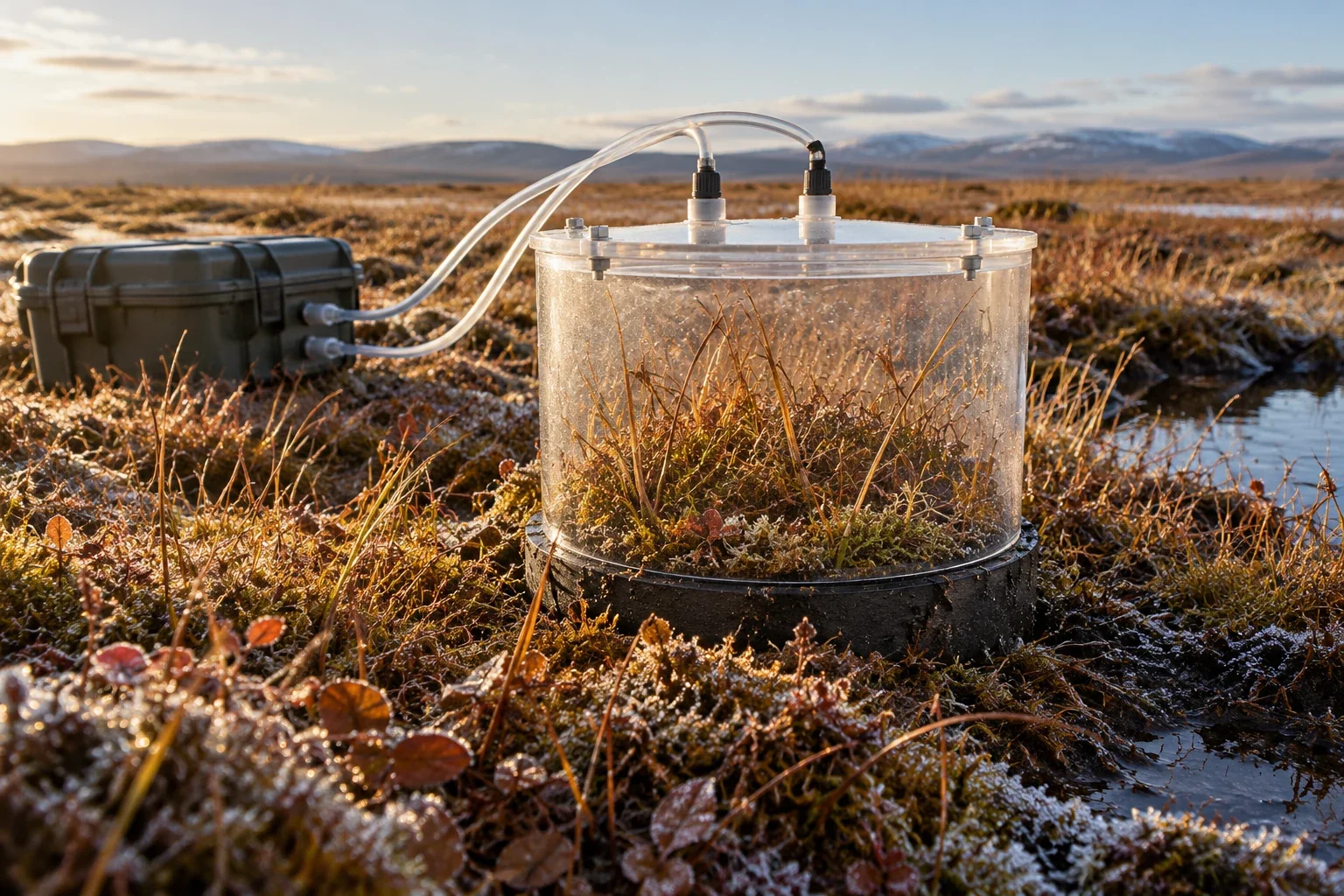
A carbon store is not an annual emission
How to read northern carbon stocks and fluxes without confusing stored material, summer uptake, winter respiration, and regional fire emissions.
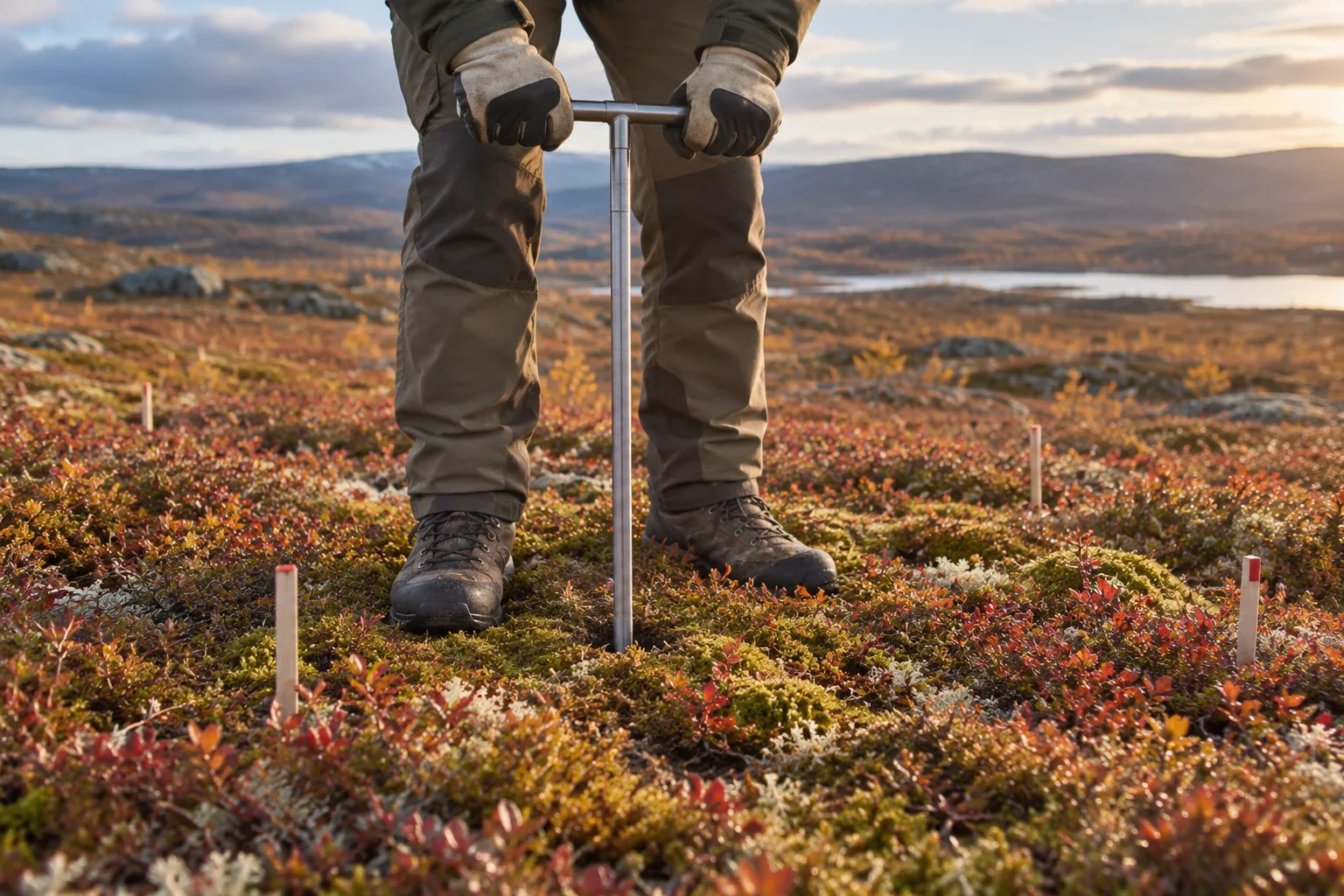
The active layer is not the permafrost
Seasonal thaw depth, ground temperature, and ground-ice content answer different questions. A guide to naming the layer before naming the change.
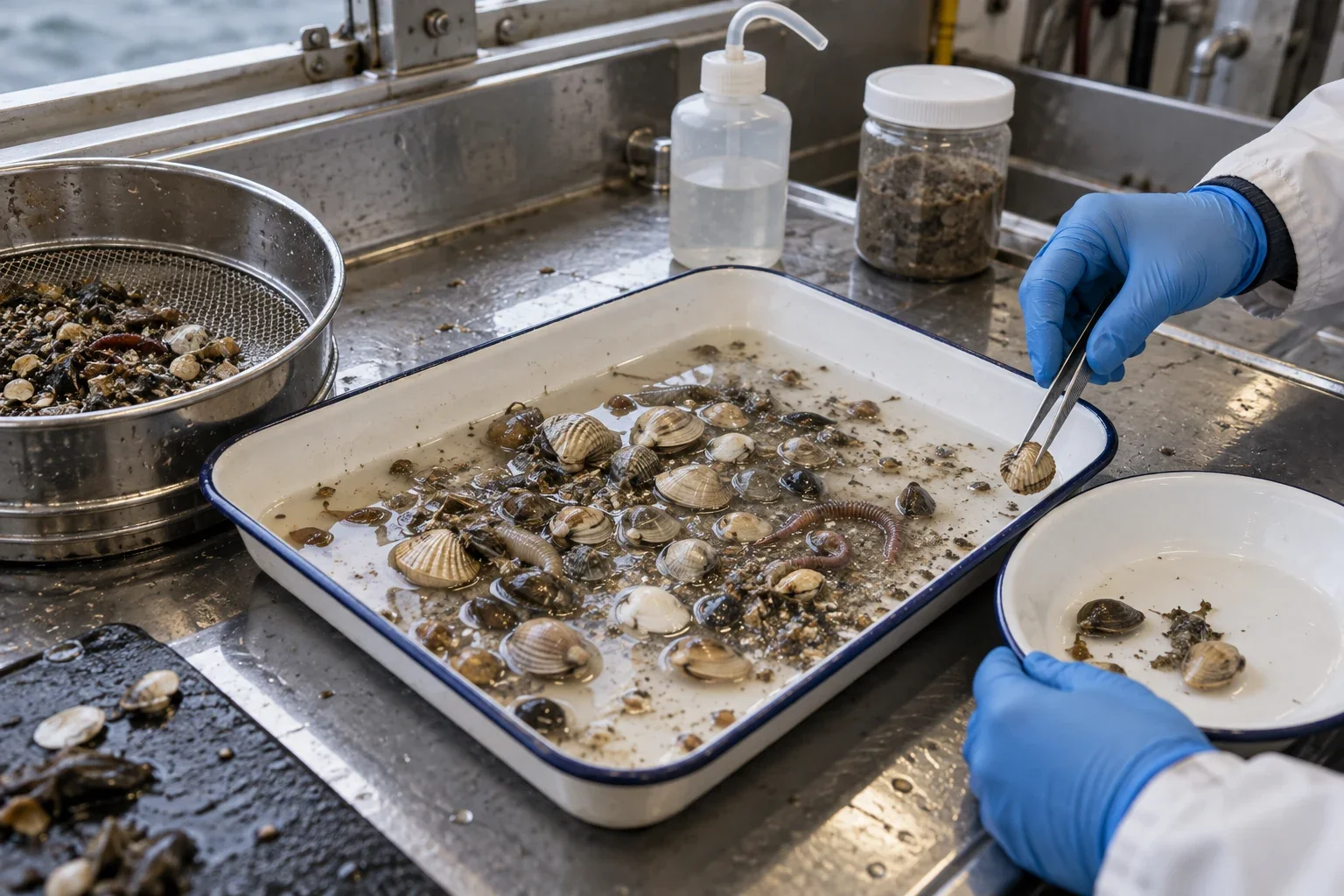
Testing a changing Arctic food web
A Bering and Chukchi Sea synthesis tests borealization against a different food-web mechanism. Mixed species responses, sampling gaps, and an exceptional first year sharpen the conclusion.
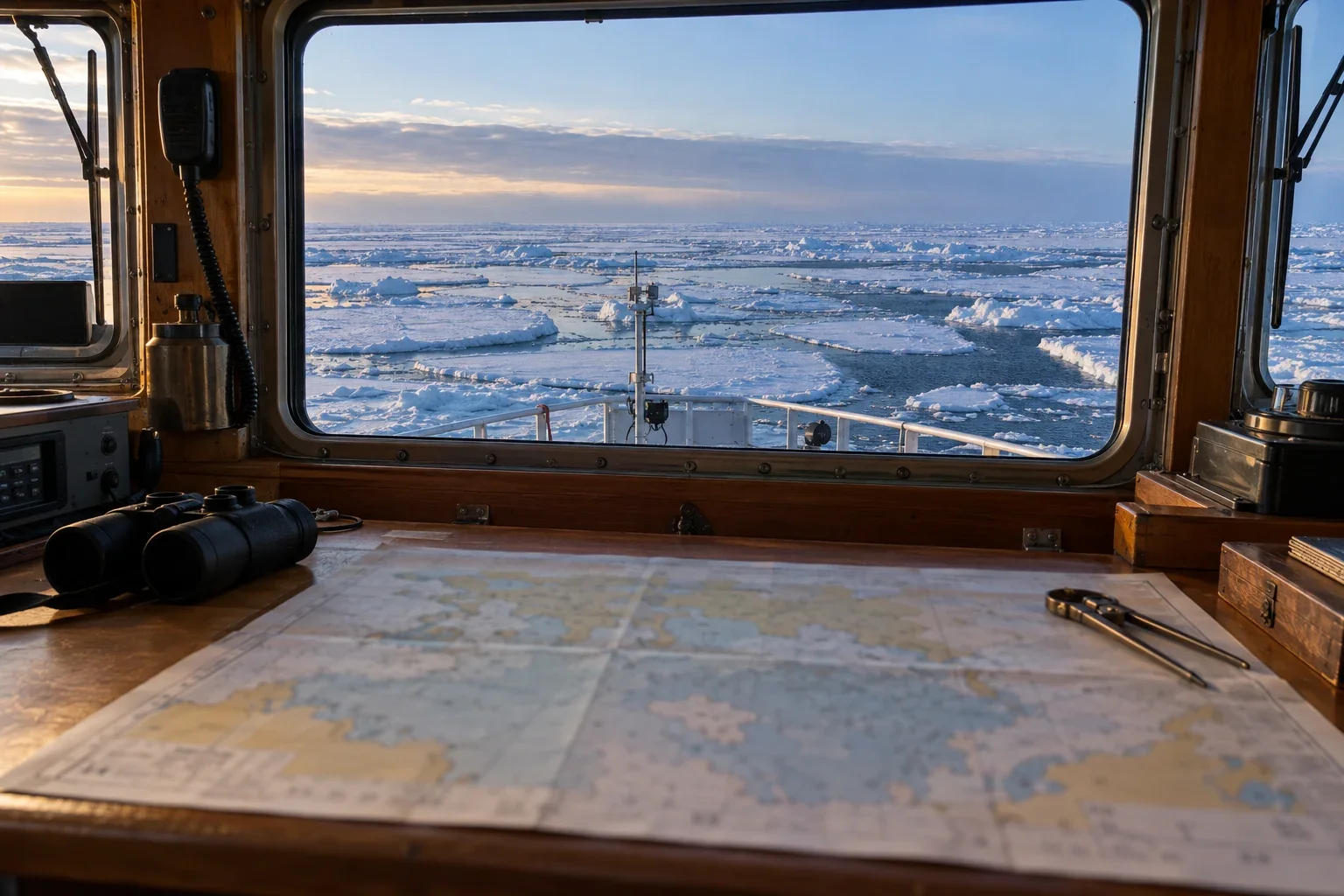
What an ice chart cannot promise
Valid times, egg codes, partial concentrations, and chart coverage matter. Learn why a regional ice analysis cannot guarantee route connectivity, local strength, or a safe journey.
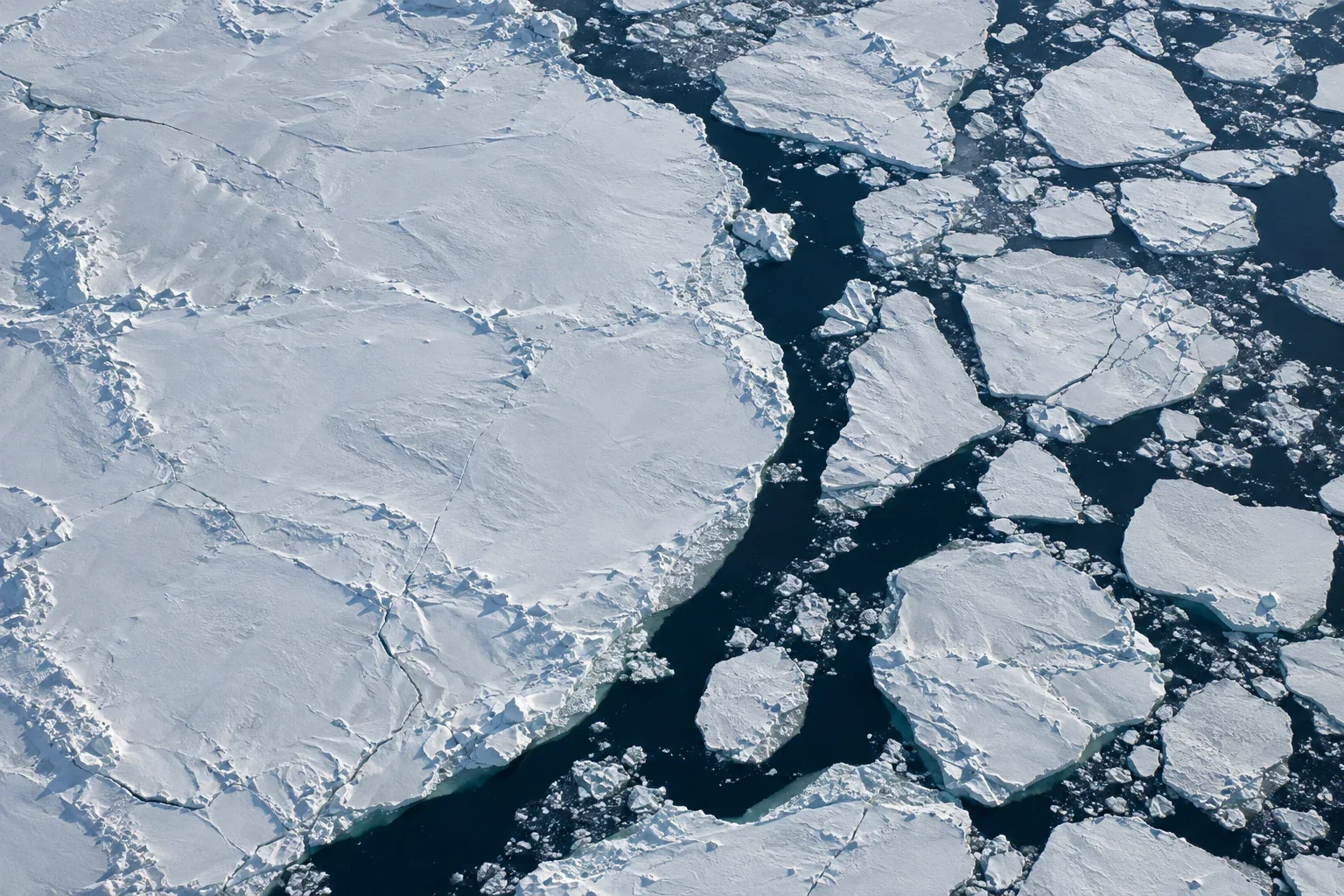
A sea-ice pixel is not a habitat map
Identical ice concentrations can conceal different floes, openings, and feeding opportunities. Habitat interpretation needs geometry, seabed context, compatible dates, and evidence of what animals actually use.
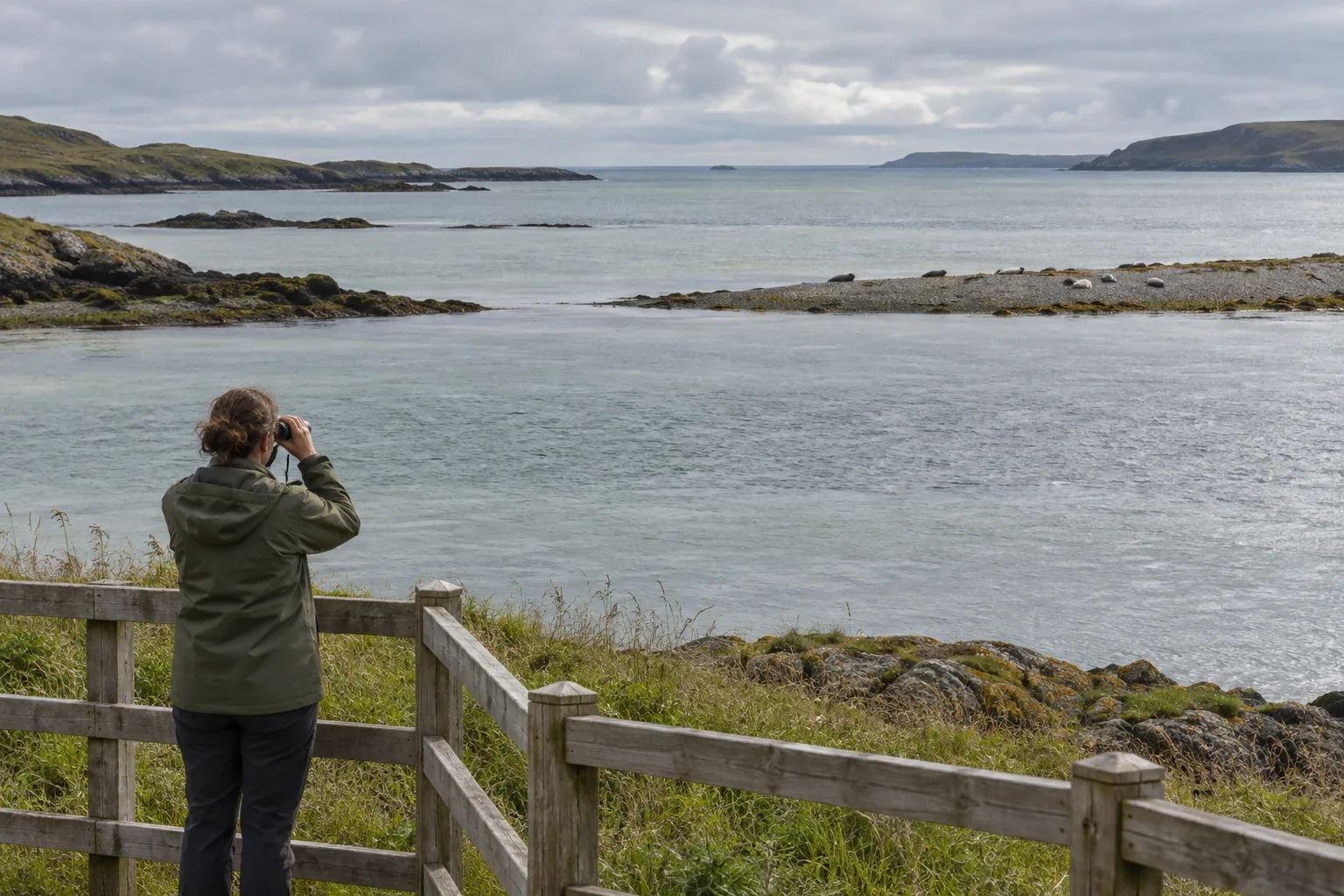
Distance is part of wildlife observation
A minimum distance is not a target. Compare two ways of taking the same photograph, and consider duration, crowding, local authority, sensitive locations, and research permissions.