

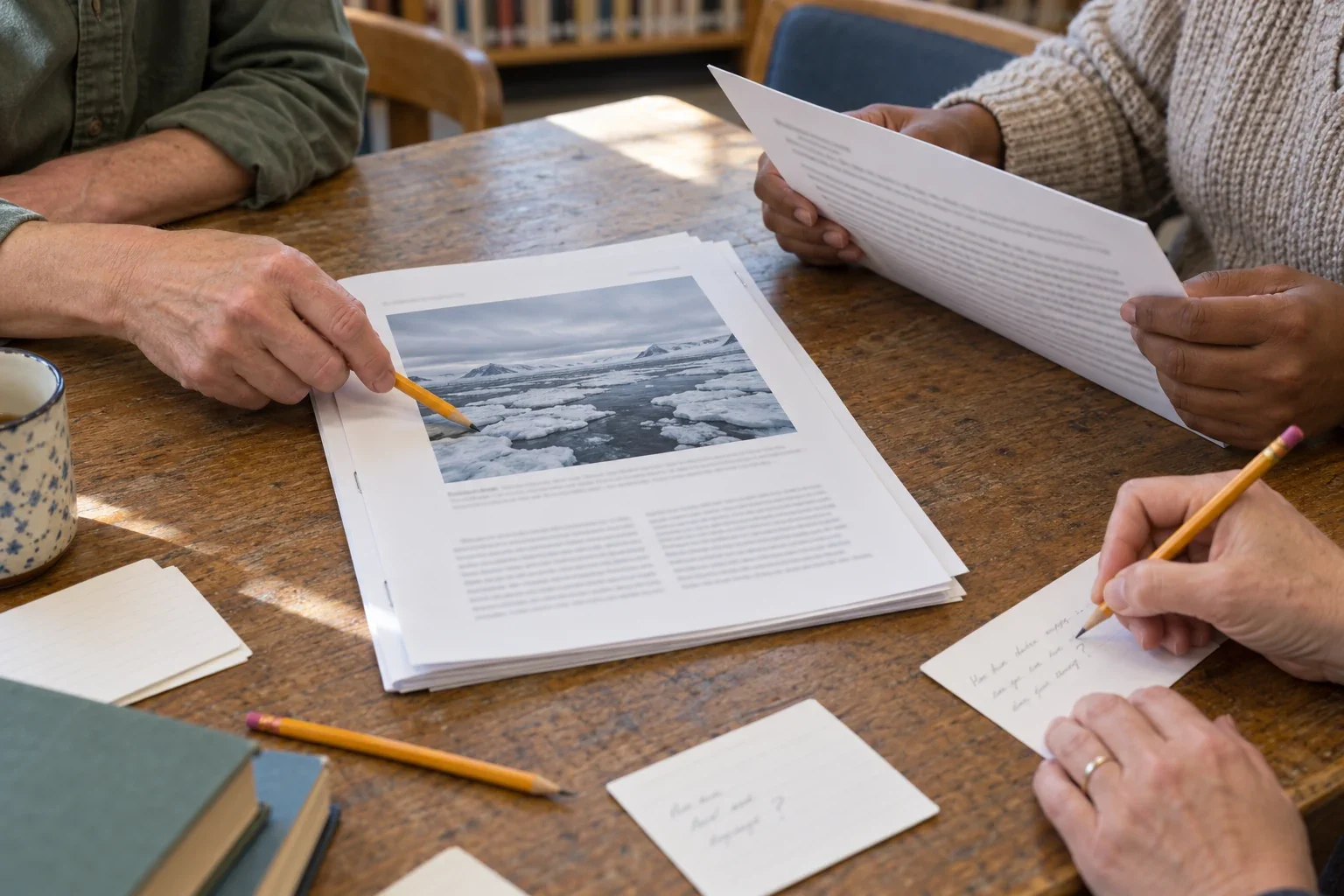
An evidence session with room for a better question
Design a school or community session around one source, a testable claim, accessible participation, and a traceable answer rather than a roomful of pledges.
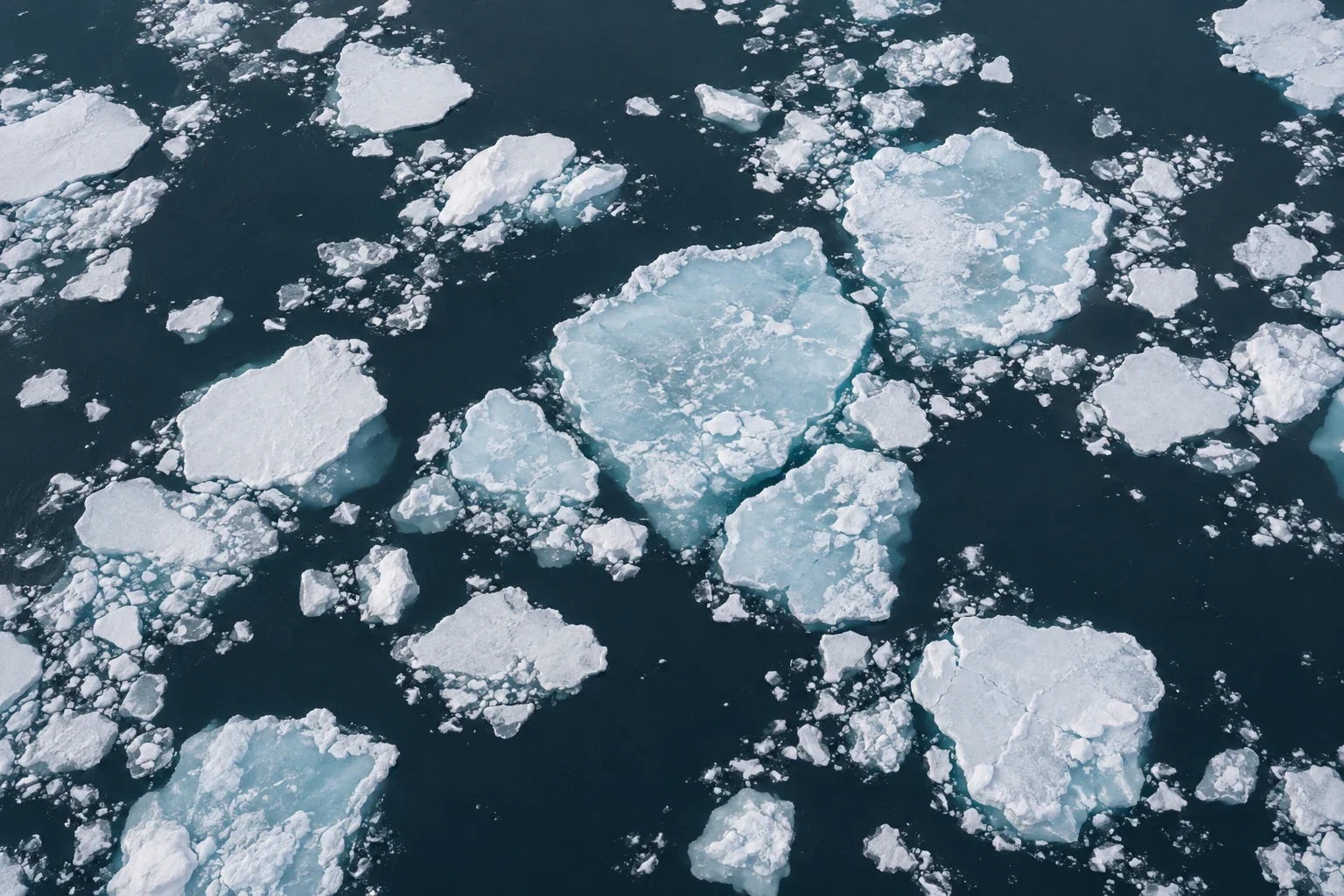
Read the Arctic Report Card beyond the headlines
Follow a headline into its definition, table, calendar, and method, from daily sea ice minima to the limits of an observing-network assessment.
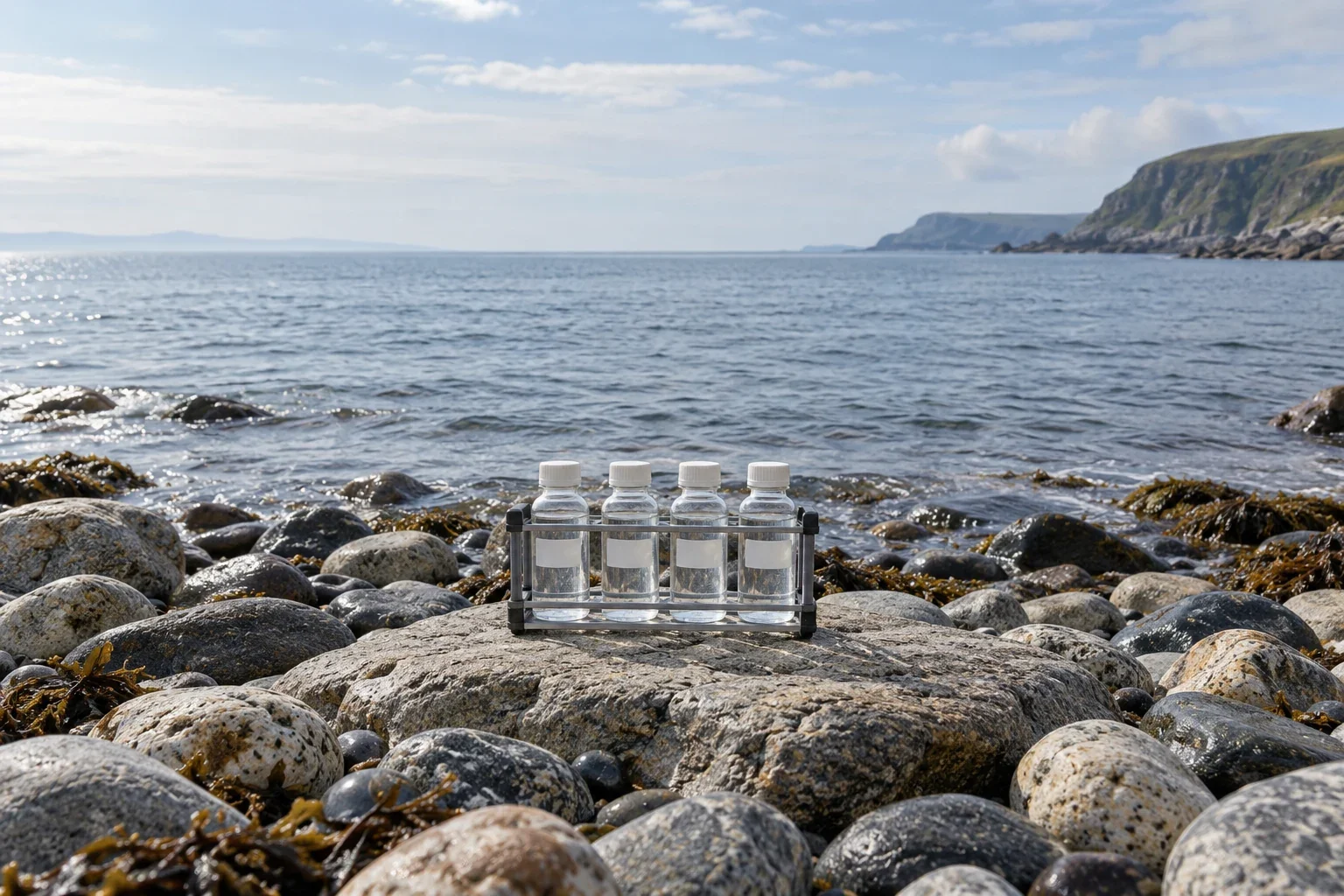
Say what is uncertain, precisely
Distinguish measurement ranges, confidence, mechanisms, and policy choices. Specific limits make climate evidence more usable than vague caution.
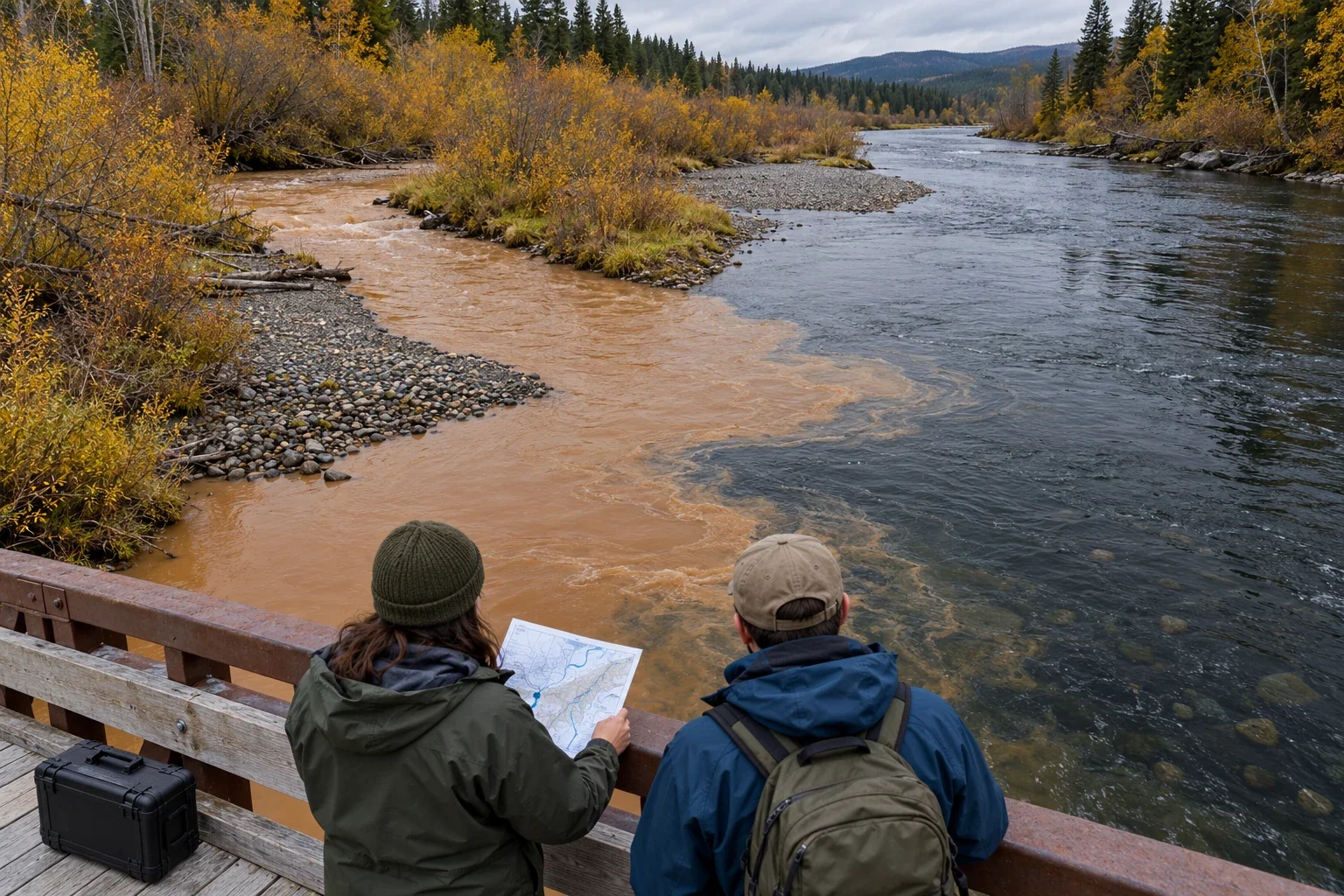
A research question before a sensor
Use a hypothetical river-water question to work backwards from a real concern to sampling, competing explanations, maintenance, and a defensible measurement.
When results make the journey home
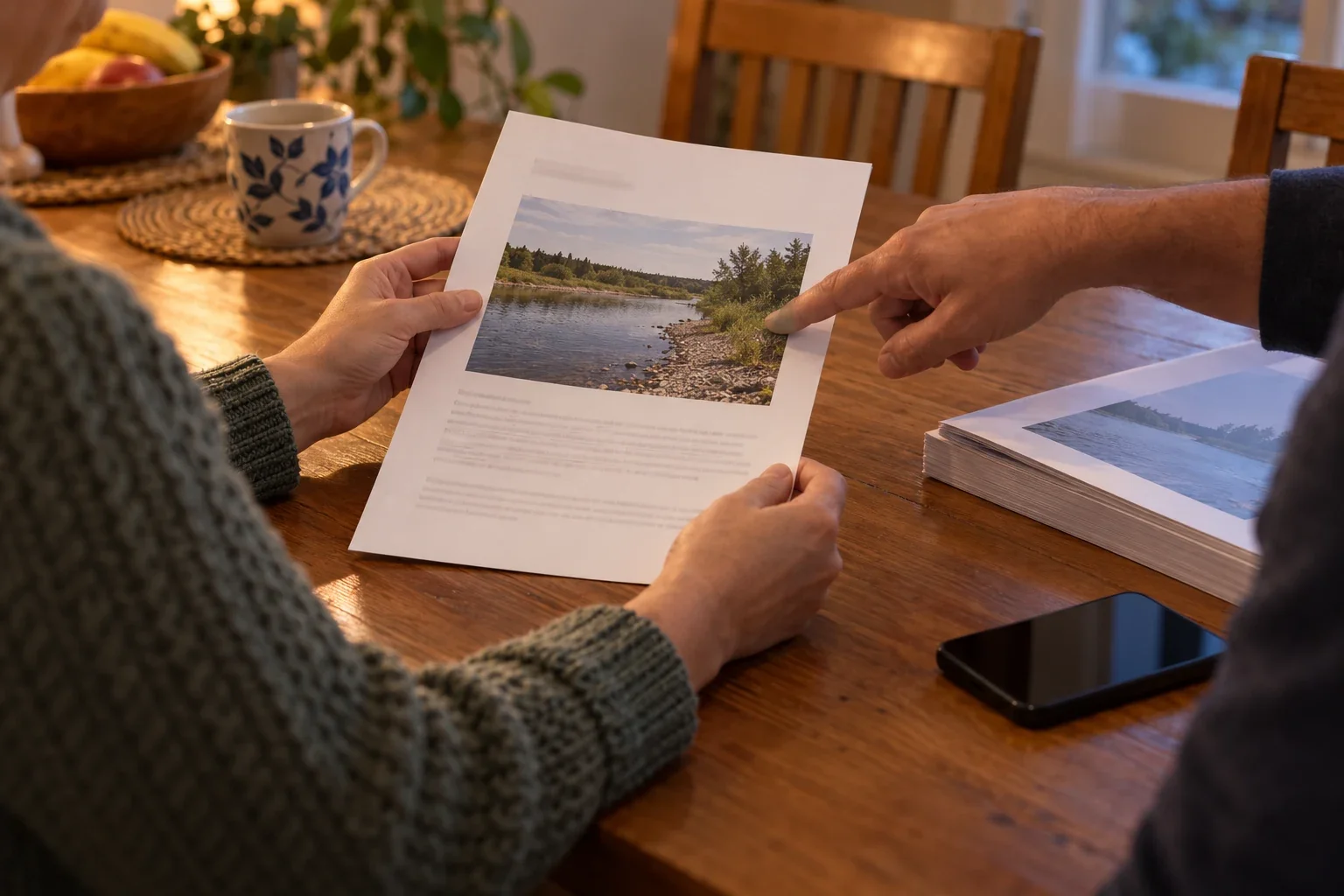
Return an understandable answer, not merely a download link: agree formats, protect privacy, explain charts, and leave a route for questions and corrections.

Open data, whose authority?
Reading the National Inuit Strategy on Research as connected commitments to governance, funding, capacity, and data authority, not a permission checklist.
Consent is a conversation, not a form
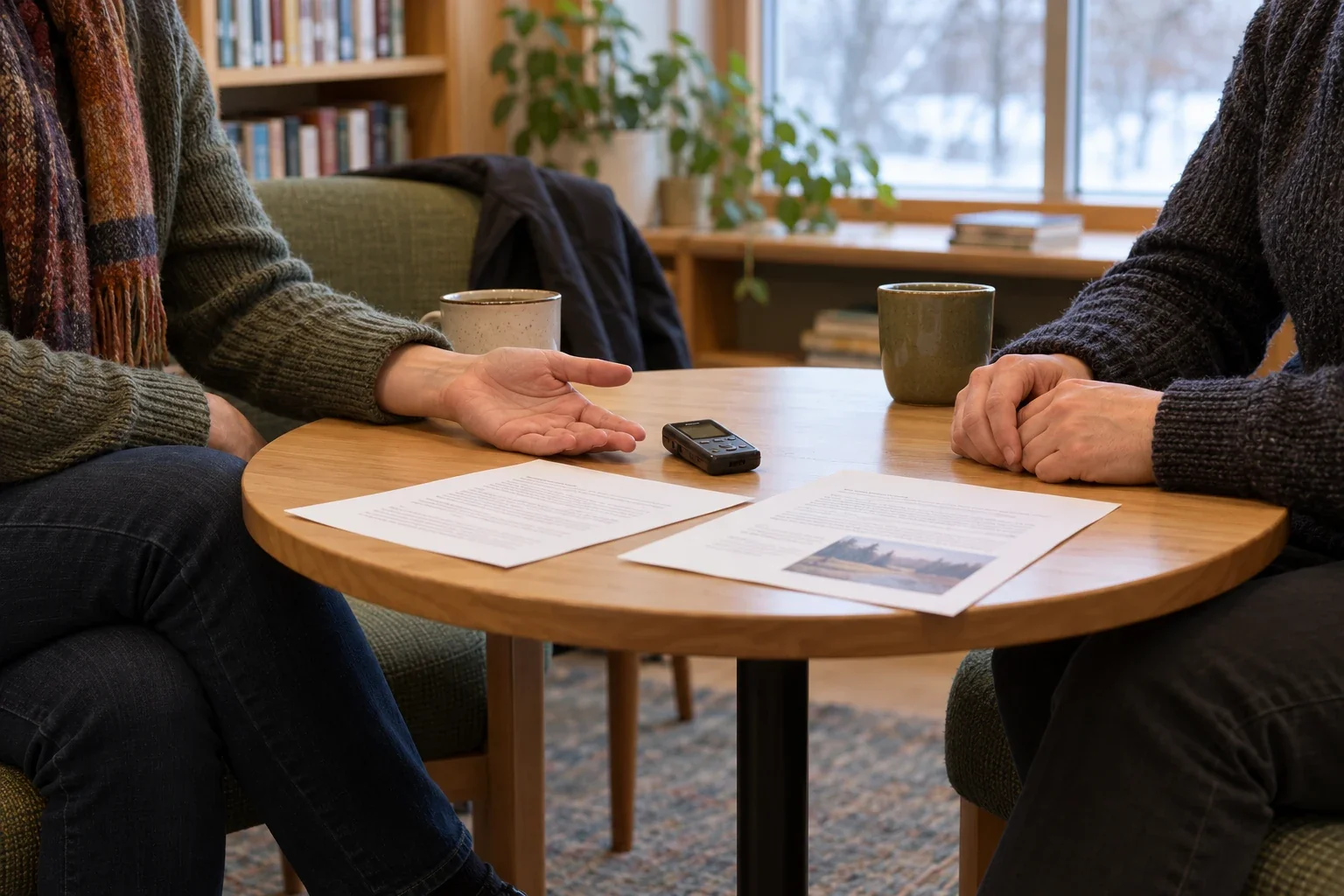
Make refusal usable, separate individual consent from collective authority, and explain what happens when a research plan or permission changes.

A reproducible chart starts before the chart
Keep the question, baseline, input version, filters, and calculation with a public graphic so another reader can recover more than its pixels.
Maintenance is the next observation
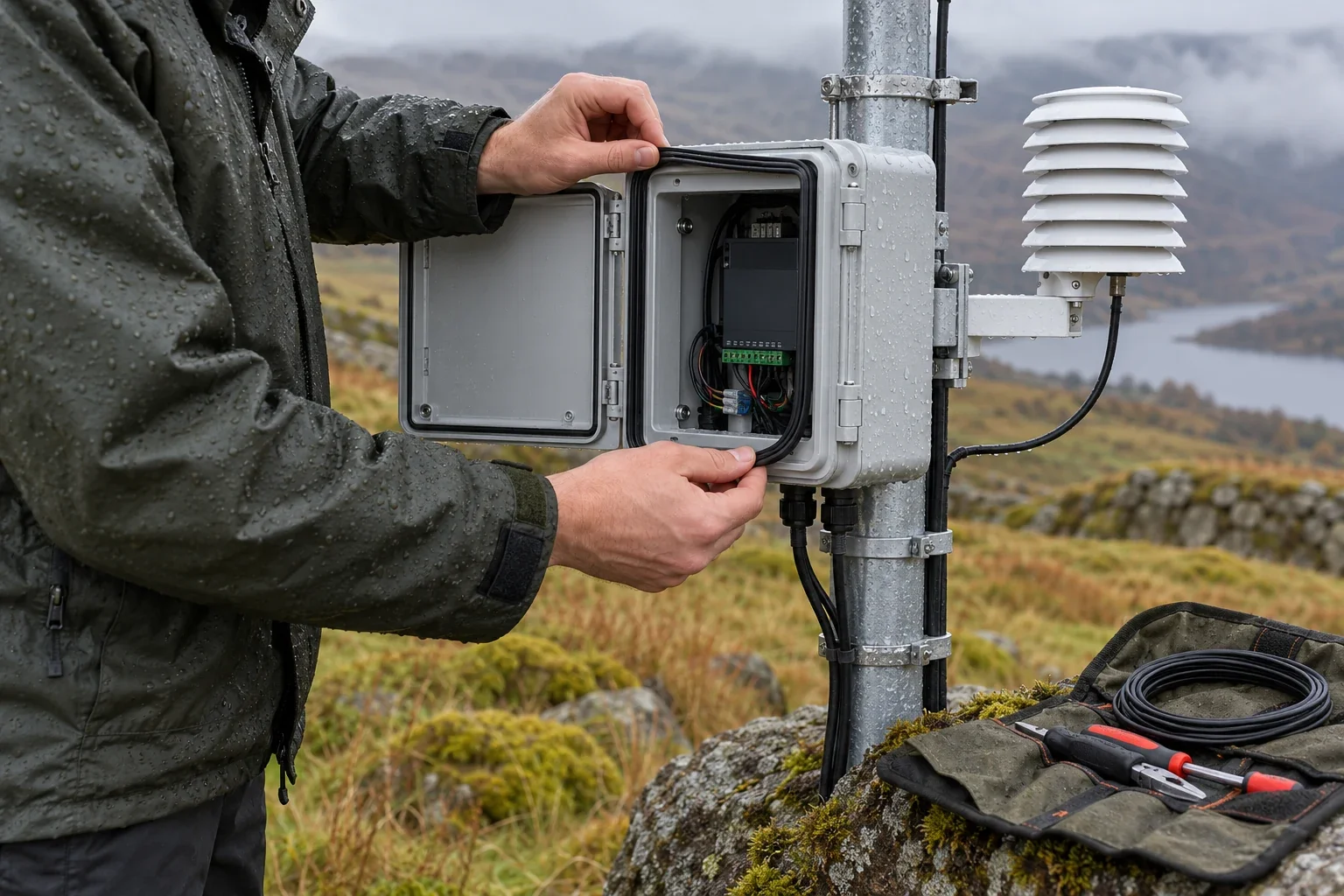
A long record needs more than a new sensor. Budget for the second winter, skilled people, governed stewardship, and a responsible ending.
The calibration record behind a trusted number
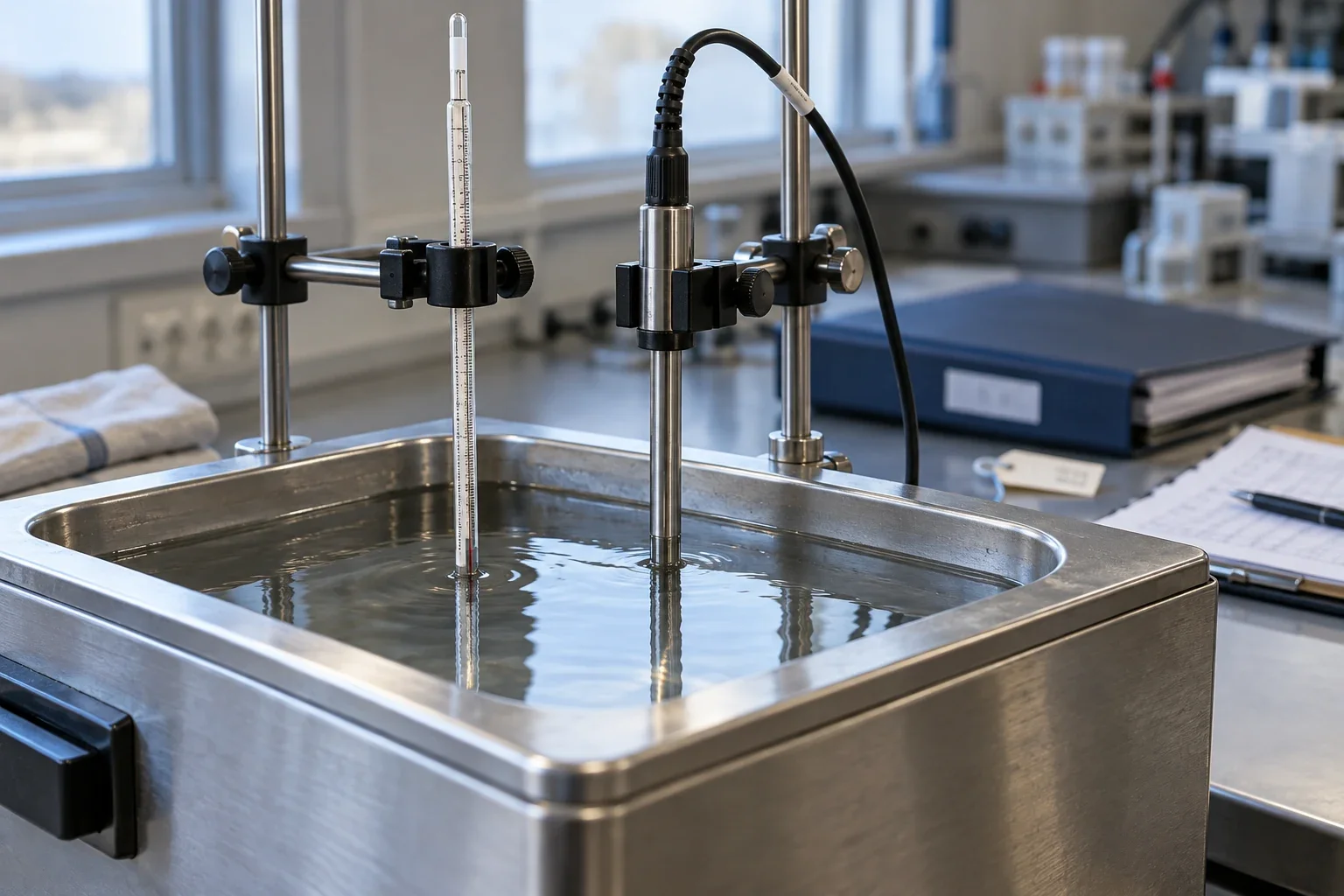
Traceability, adjustment, field checks, and sensor replacement: why a certificate cannot carry the whole uncertainty of a measurement.
Missing observations are not zeroes
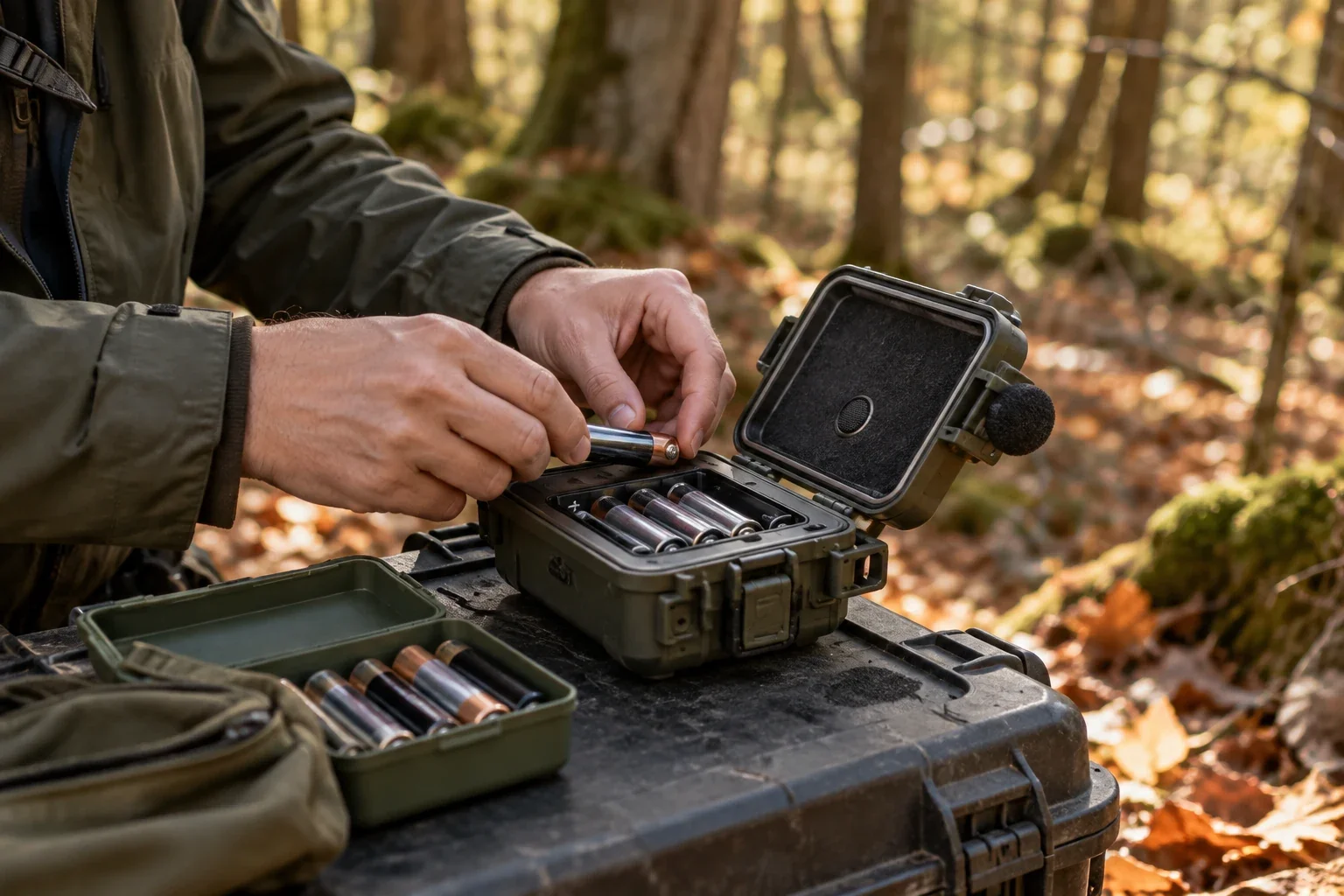
A failed recorder, a masked call, and zero detections are different findings. How effort, flags, and honest gaps protect an observation record.
Metadata that outlives an instrument
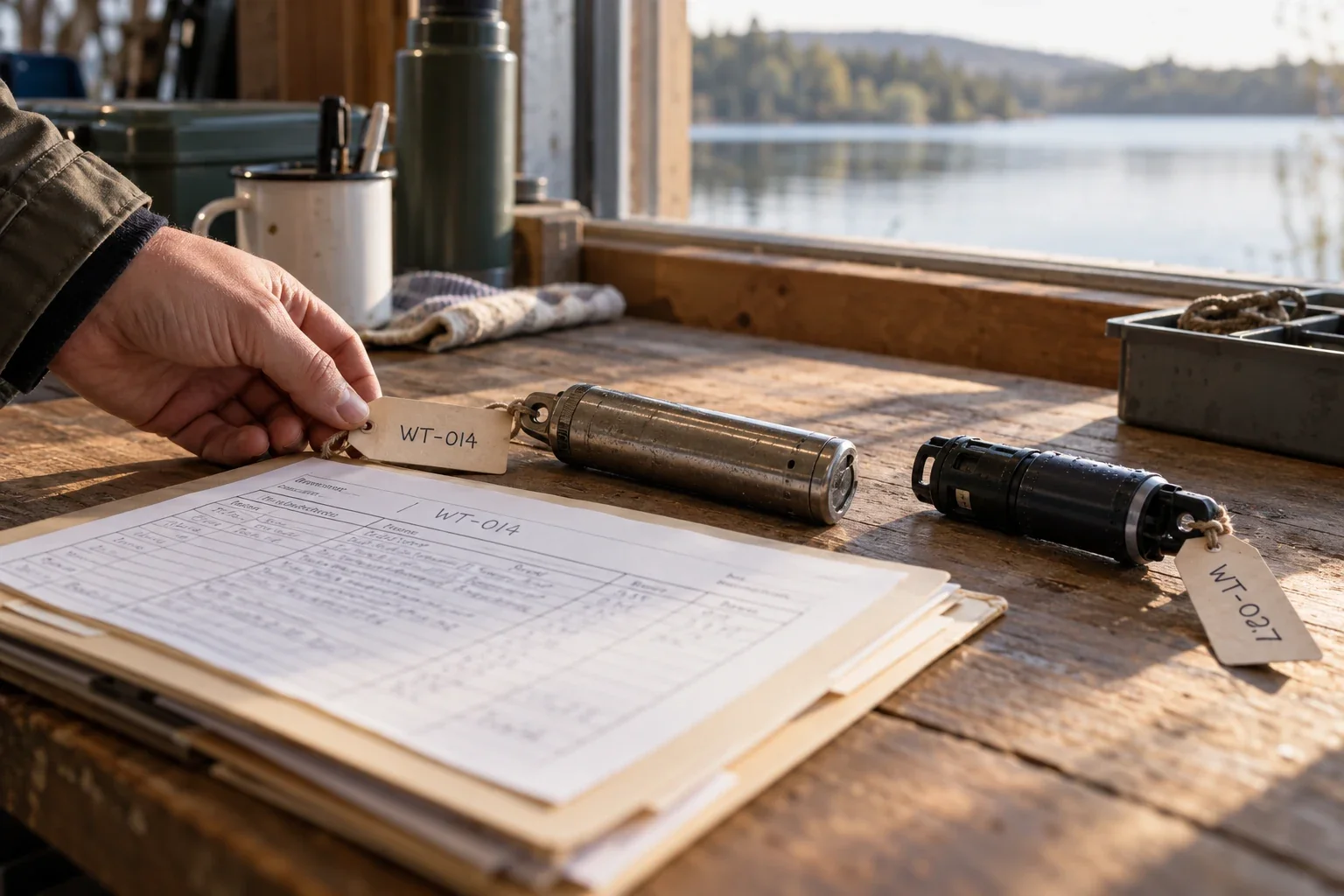
What a future reader needs to recover a measurement's meaning: sampling intervals, deployment changes, versions, governance, and a responsible steward.
Greenland's dark ice has more than one cause
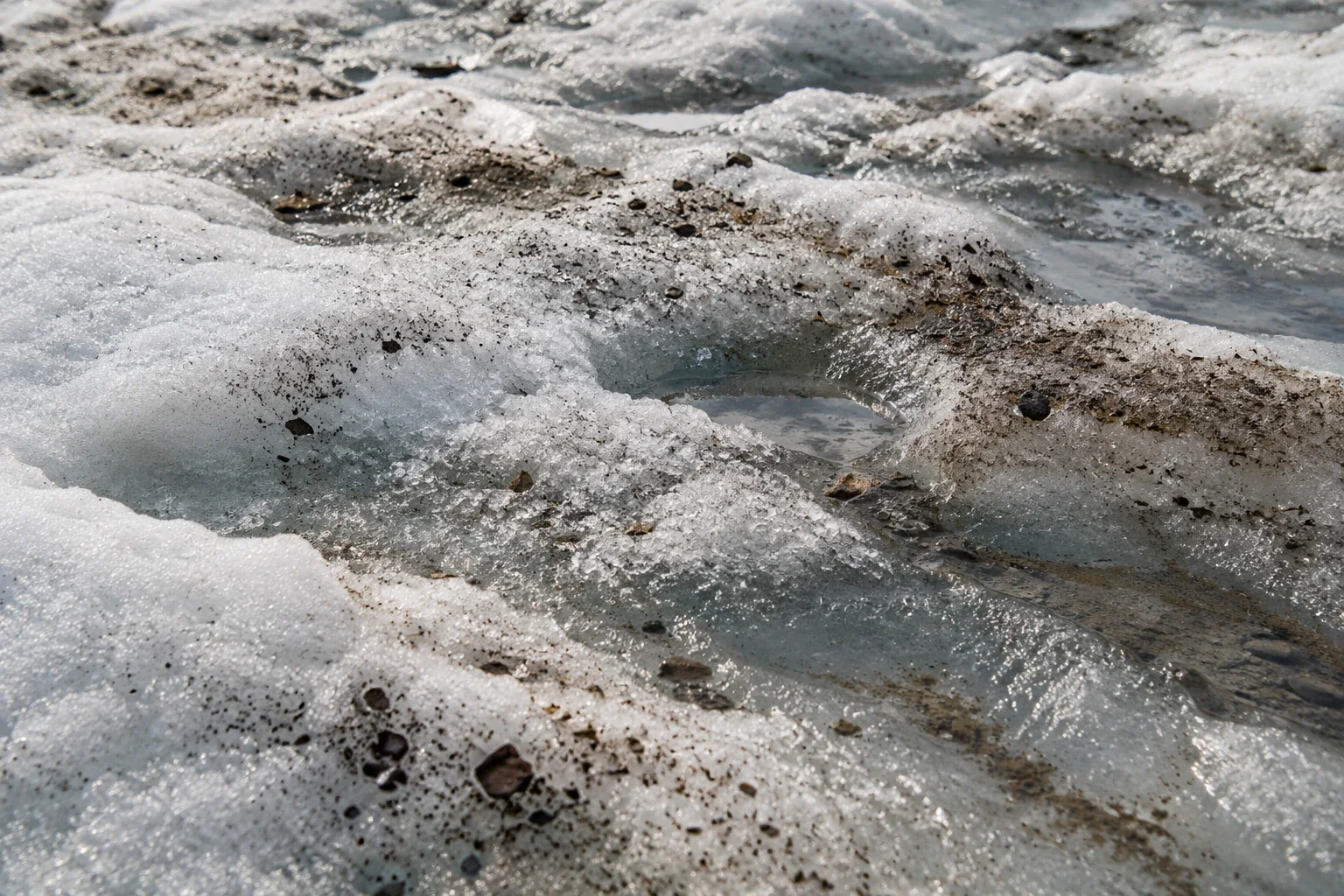
Snow retreat, glacier algae, particles, and ice texture all influence reflectivity. Separate the observed darkening from its cause and melt consequence.
A permafrost map cannot inspect a building plot
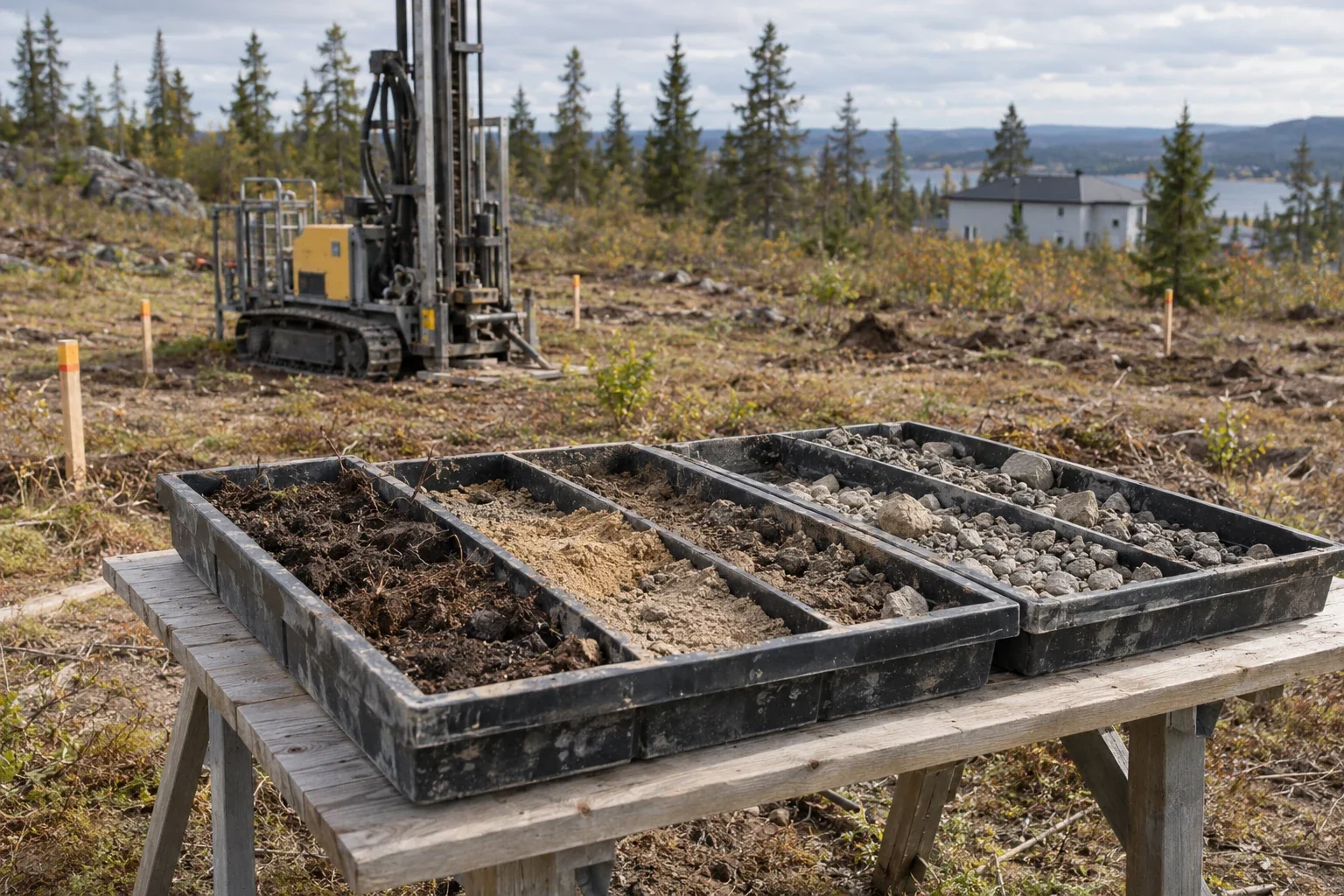
Read extent classes, ground-ice estimates, map scale, and missing coverage before asking a regional map to answer a site-specific question.
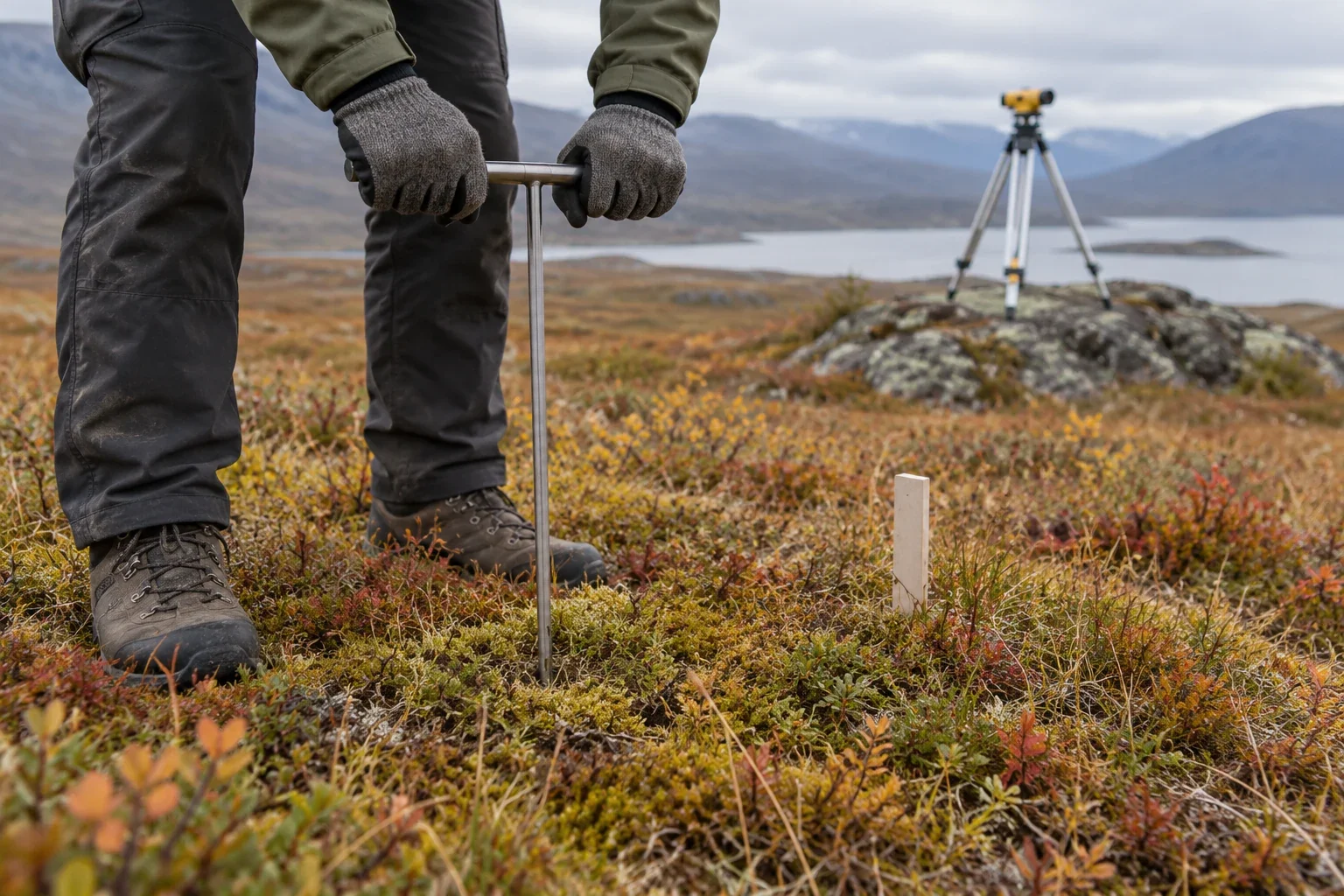
When the ground moves beneath the ruler
A repeated thaw depth can hide a moving surface. Reference conventions, probe refusal, seasonal timing, and survey history keep comparisons honest.
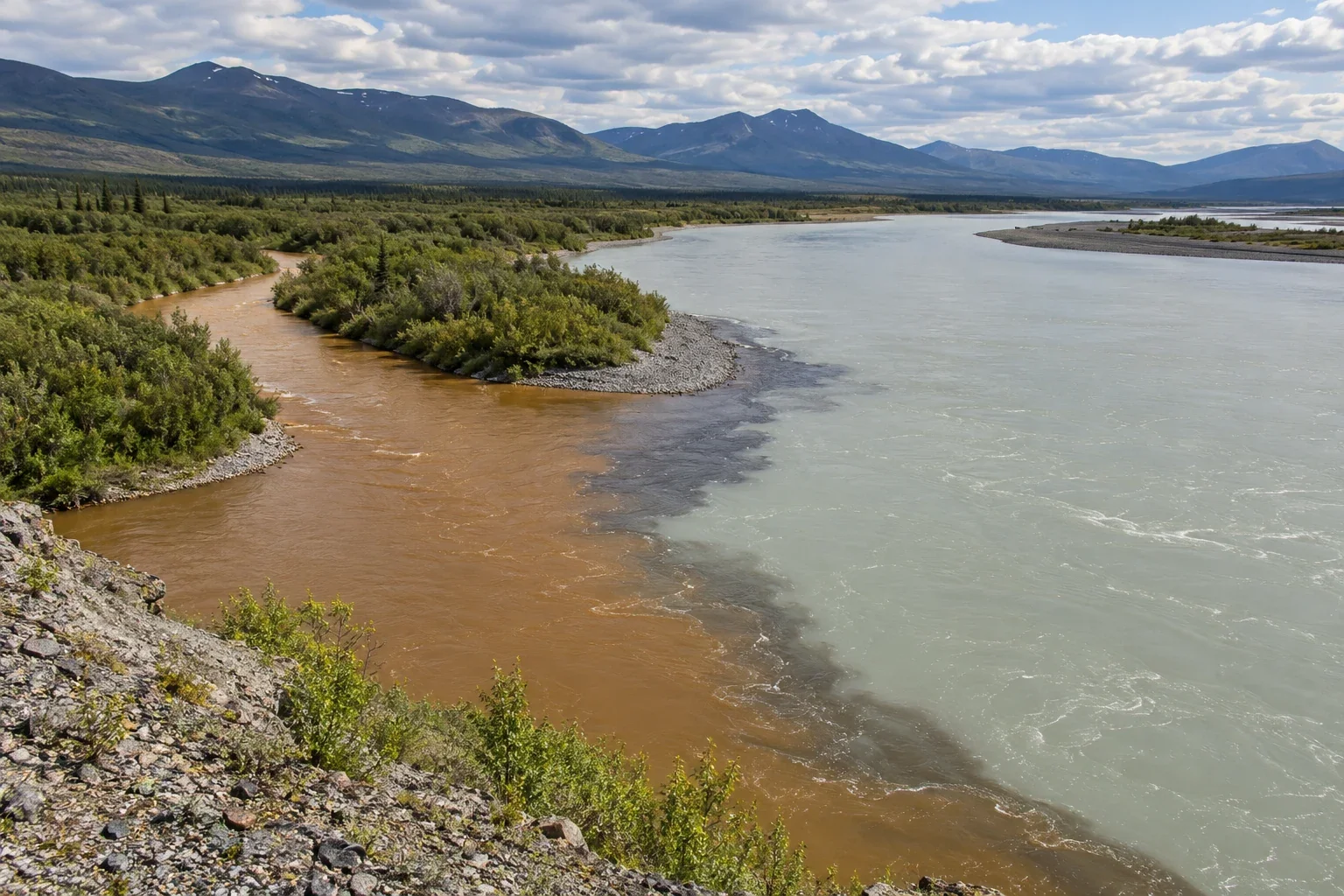
The muddiest water may not carry the most sediment
Concentration is only part of sediment transport. Water flow, event timing, particle properties, and representative sampling complete the picture.
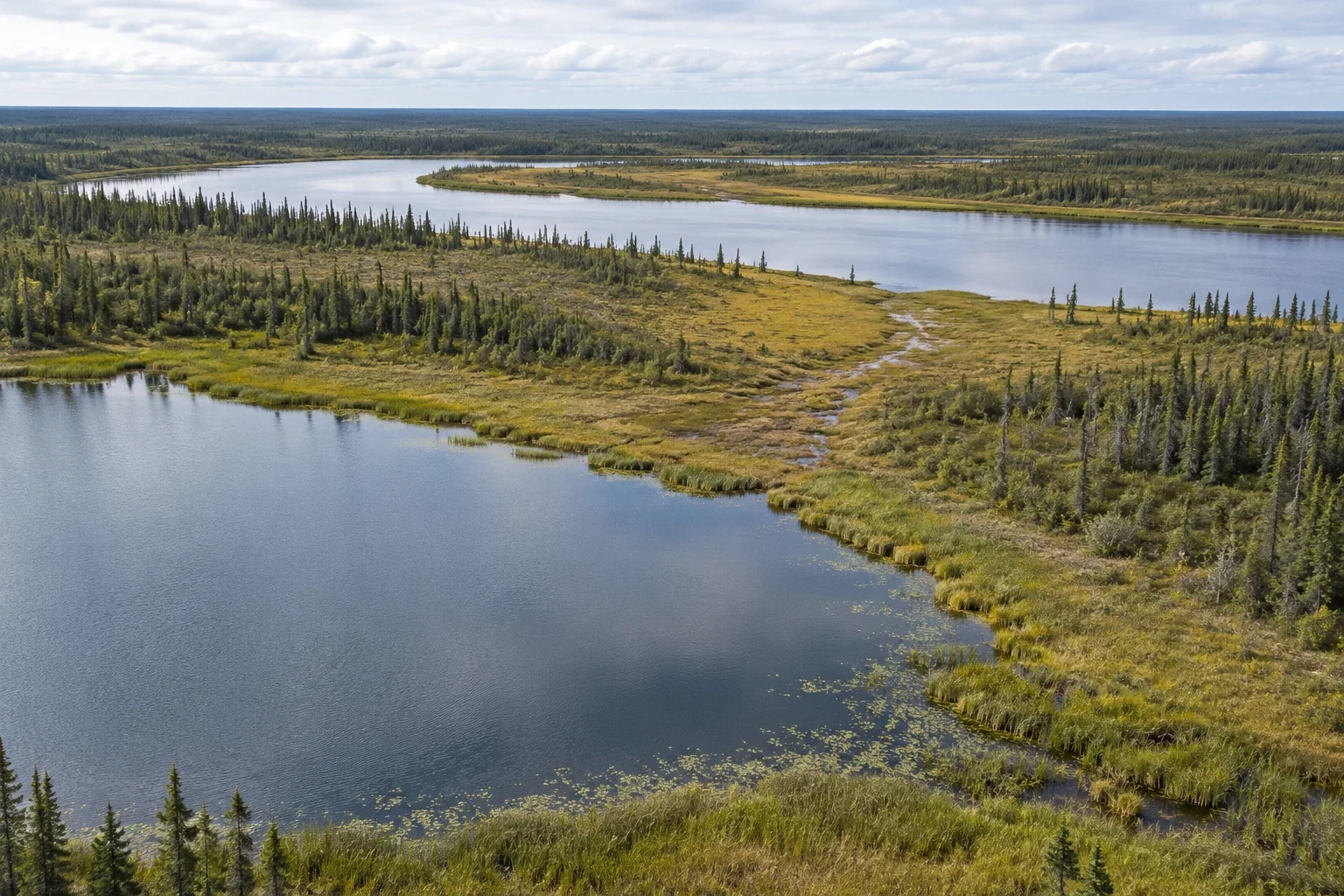
The lake with no visible outlet
Seasonal floods and hidden subsurface pathways connect northern waters. Yukon Flats research shows why a shrinking shoreline is not a complete diagnosis.
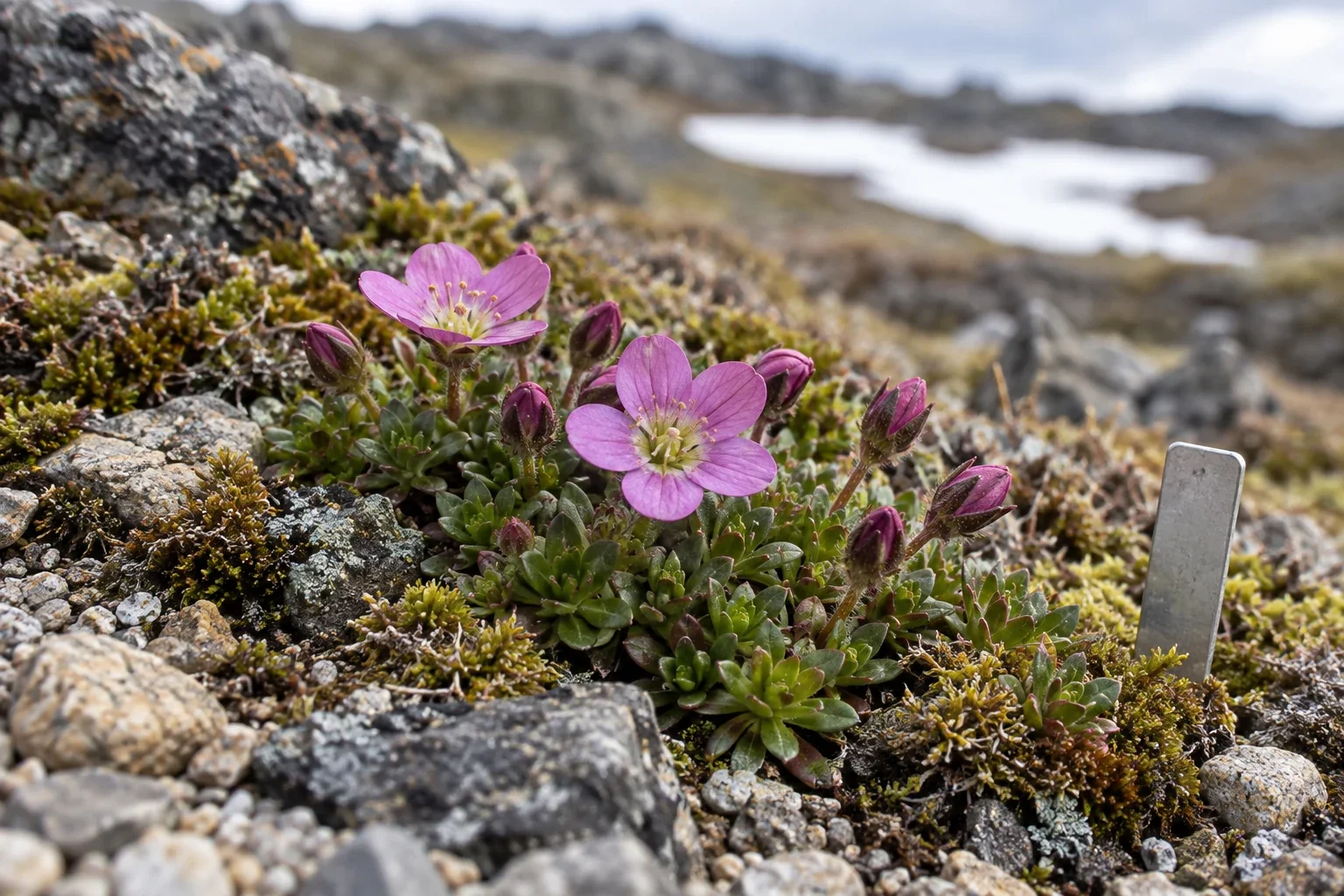
The first flower needs a previous visit
A first detection is not an exact onset date. Negative observations, visit intervals, and flowering intensity make phenology records more useful.
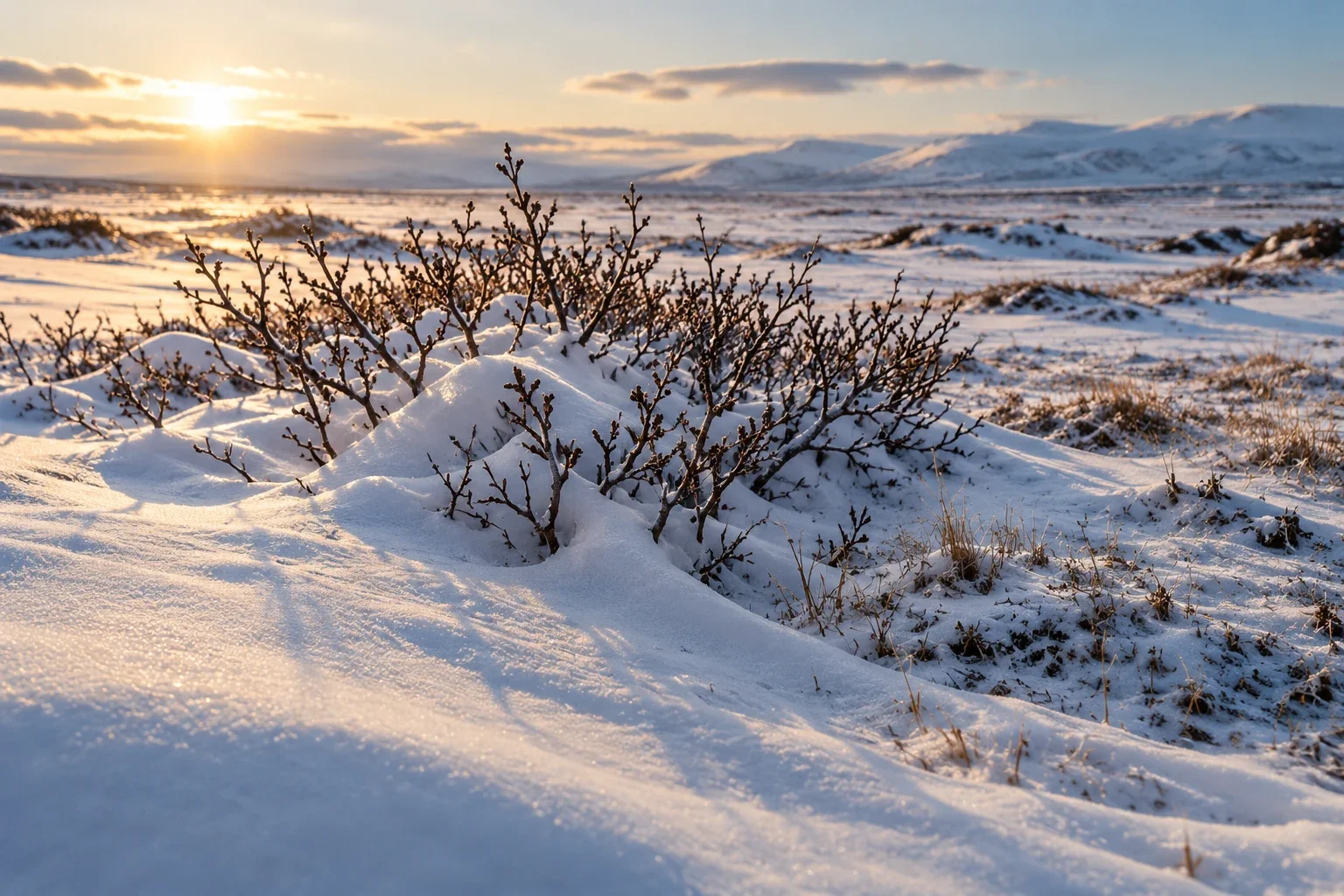
What taller shrubs do to winter
Shrubs alter snow structure, insulation, and sunlight. Published studies show why winter warming and summer soil effects must be read together.
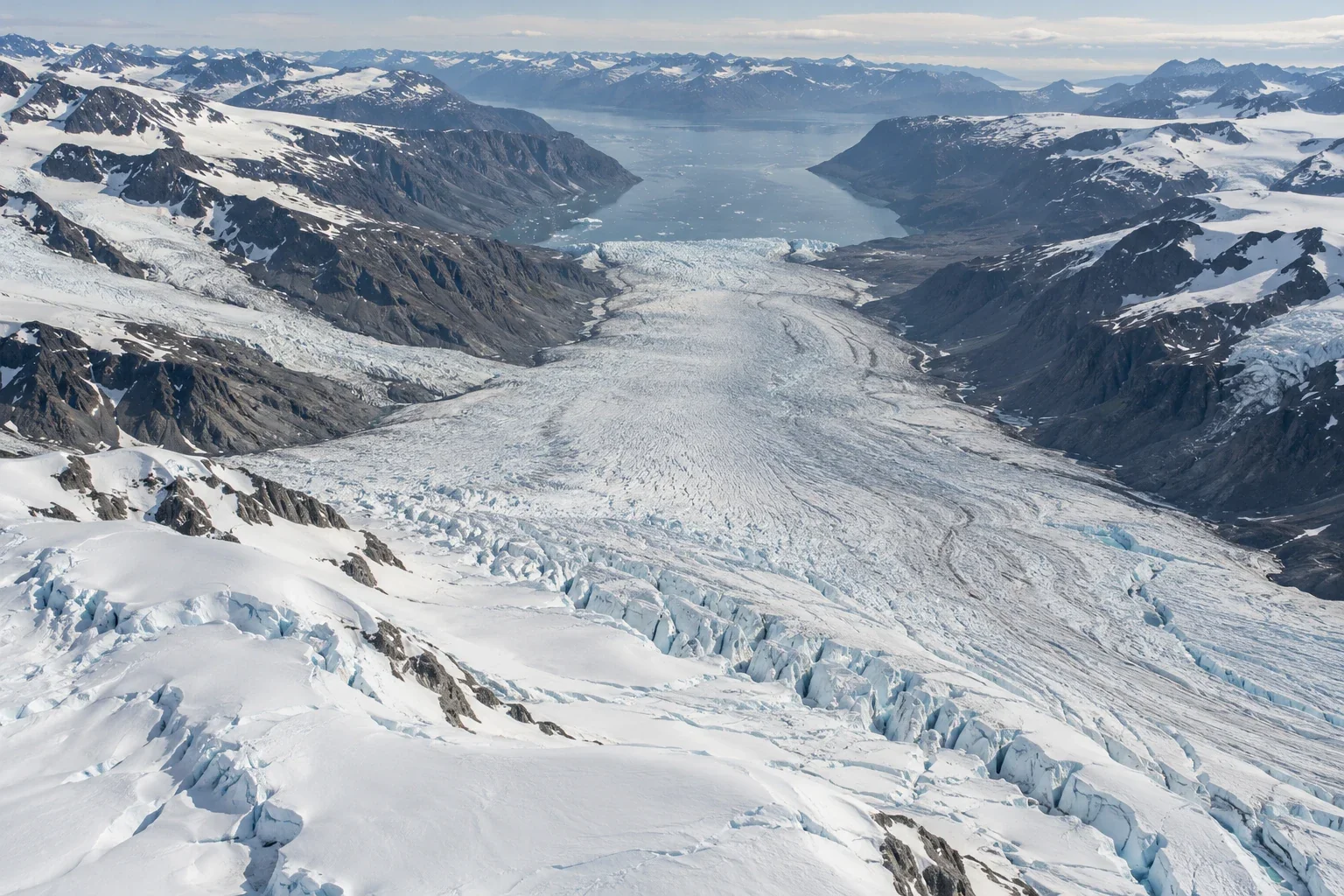
A glacier front is not a balance sheet
Why a glacier's edge, speed, surface height, and total mass can tell different stories, with Greenland's 2025 budget as a grounded example.