

Find a perspective
A good question
opens a conversation.
Start with the person whose work meets your question. A role is useful when it helps you find a way into the subject.
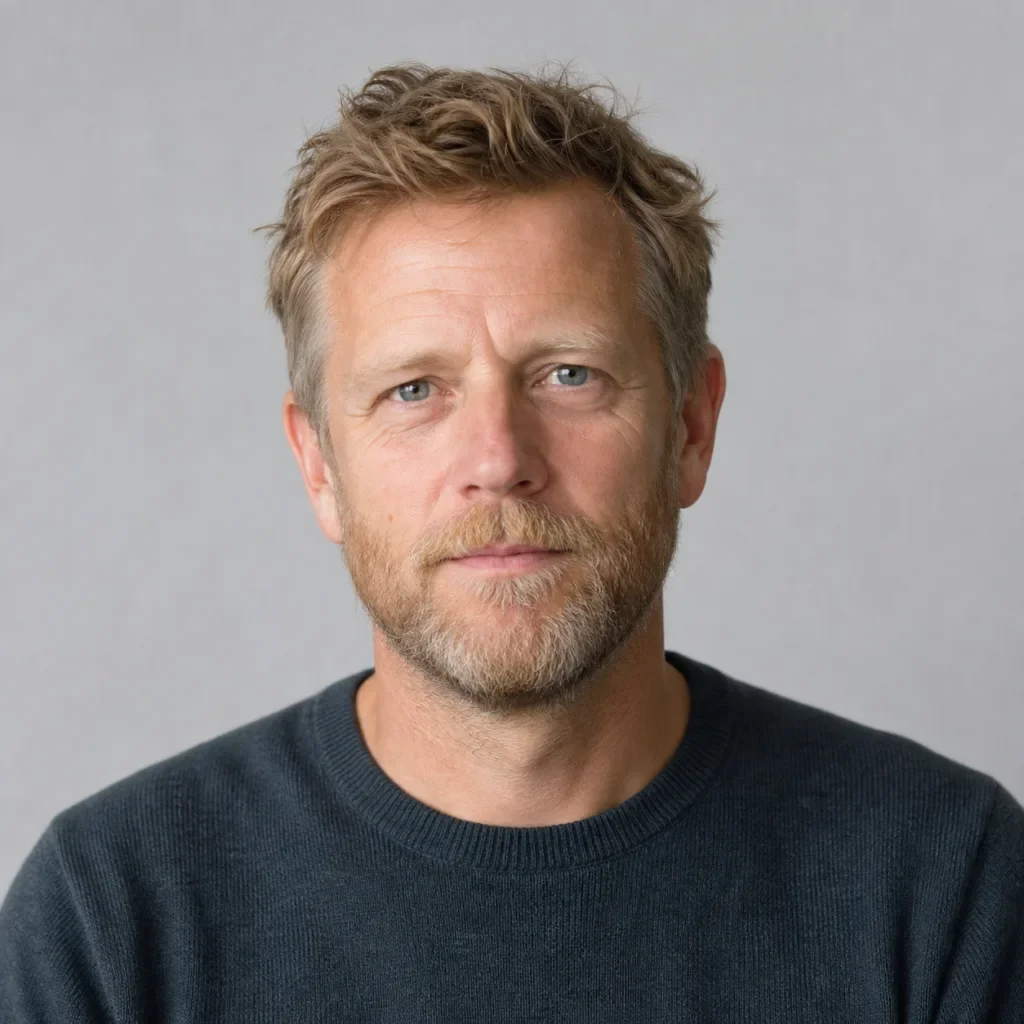
Science
Eirik Solheim
Sea ice programme lead
Eirik reads sea ice as a moving material, not a white surface on a map. He connects local thickness, deformation, drift, and melt observations with the wider satellite record.
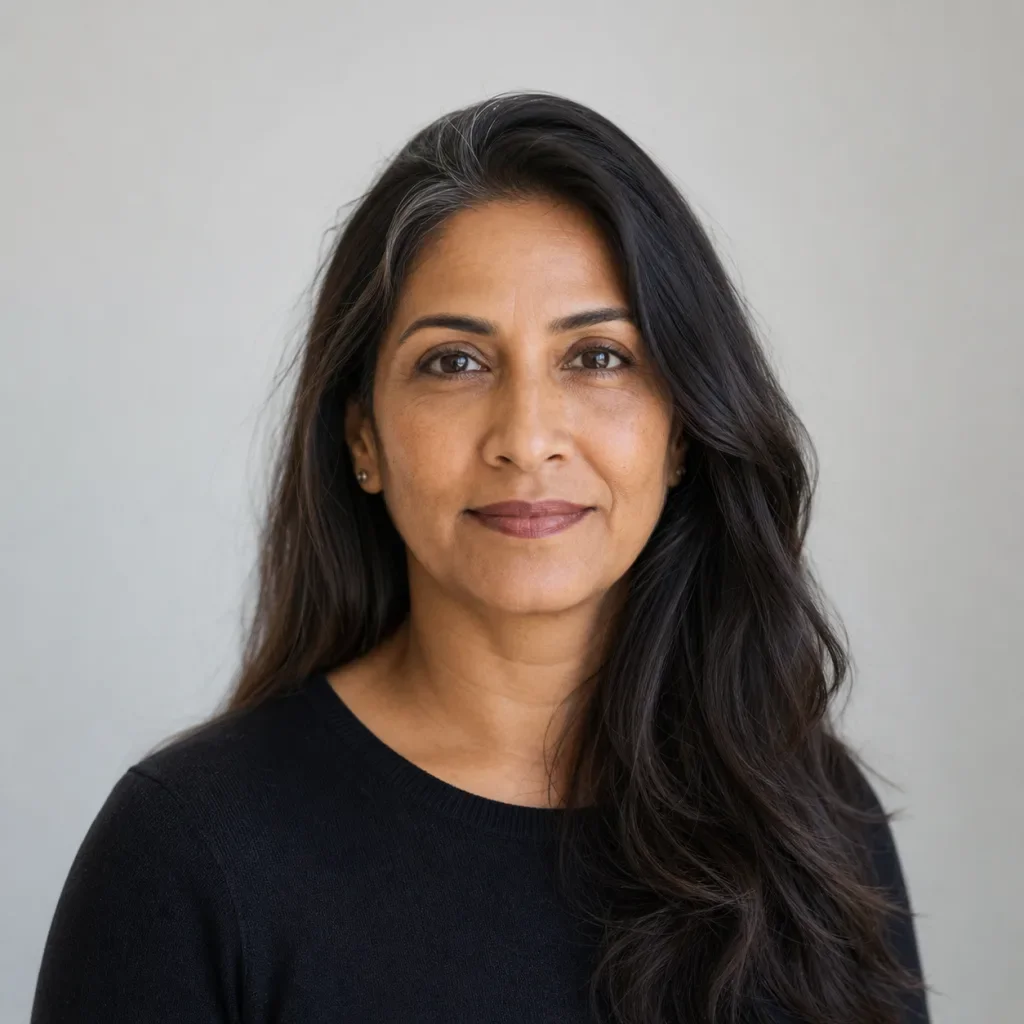
Partnerships
Ivalu Petersen
Director of community partnerships
Ivalu leads the agreements that determine who asks a research question, who controls the resulting data, and how a project remains accountable after field activity ends.
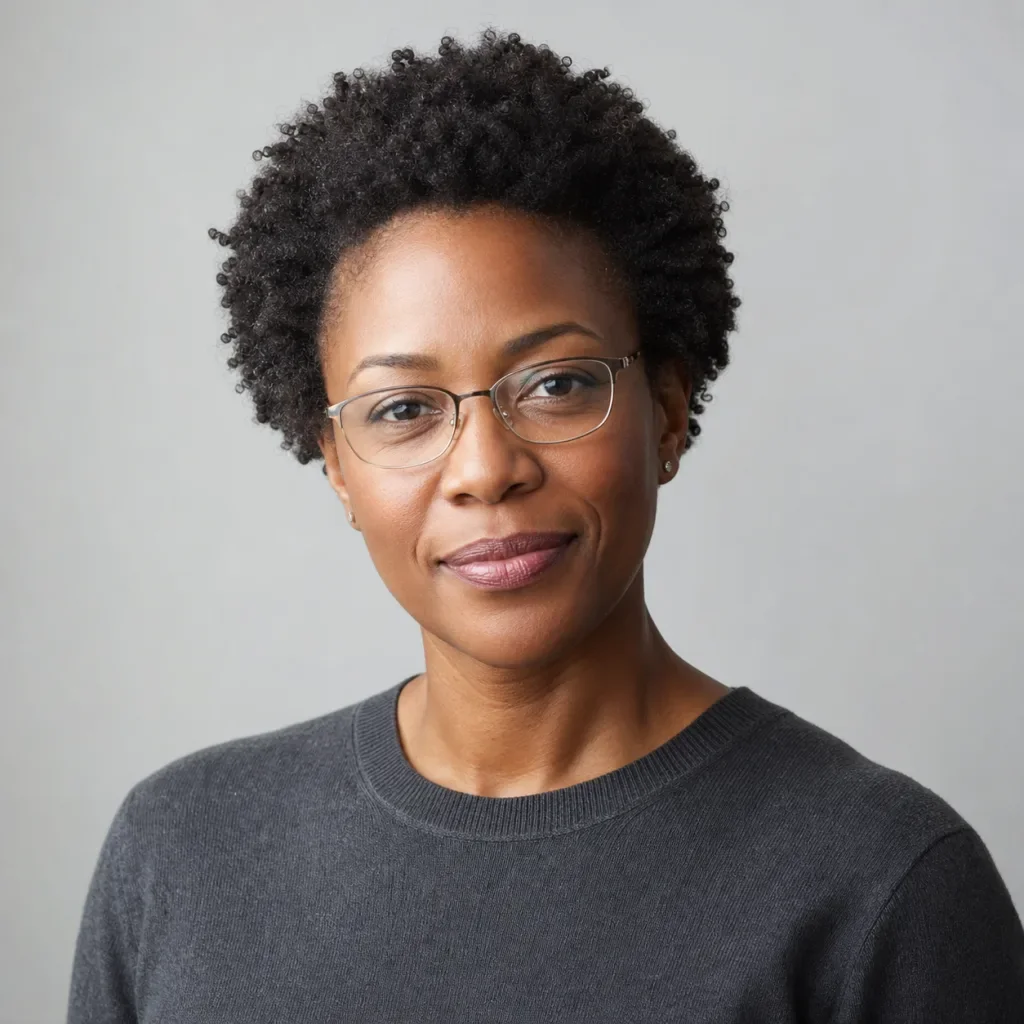
Leadership
Amina Okafor
Science director
Amina connects physical climate evidence across instruments, models, and observation records. She is most useful when a result looks simple but its assumptions, scale, or uncertainty need careful explanation.
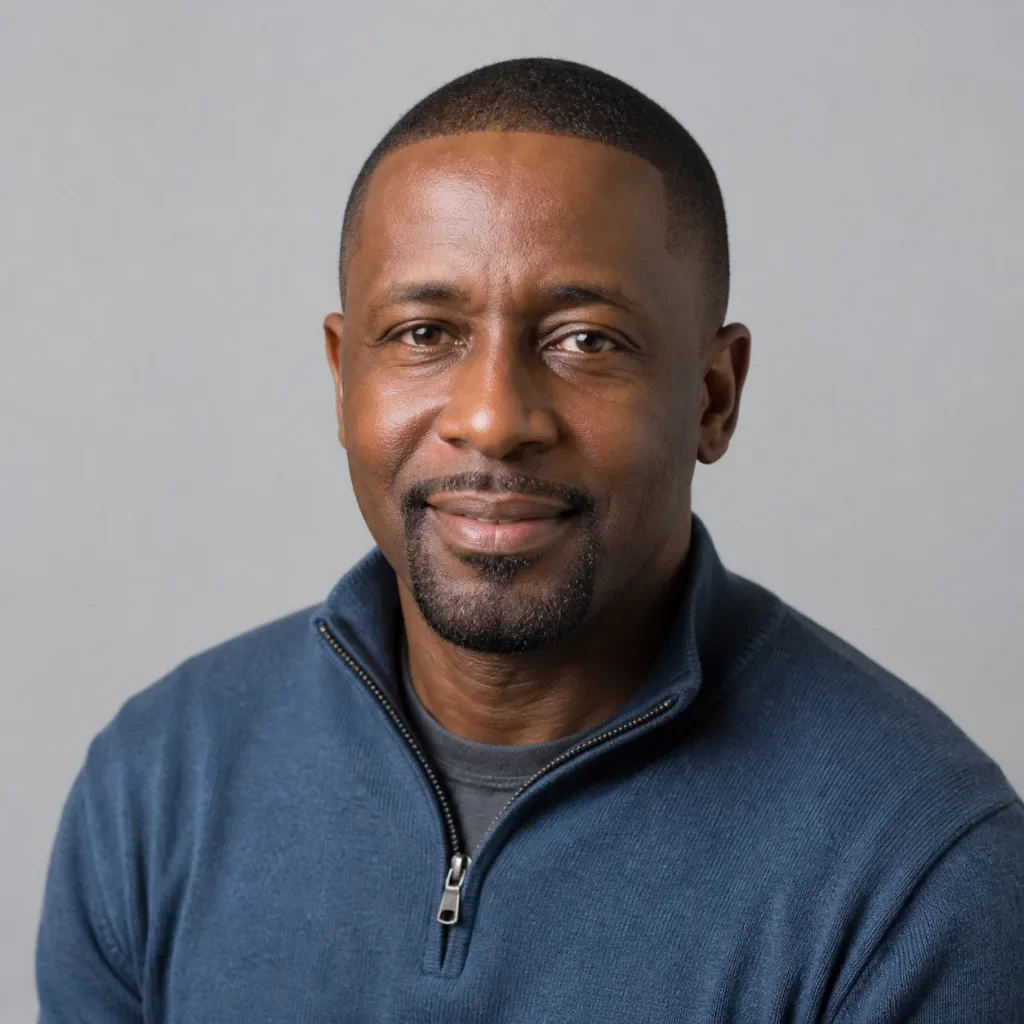
Policy
Samuel Adeyemi
Climate finance director
Samuel works on the financial conditions that allow long observation records, responsible procurement, and public-interest climate work to persist beyond short funding cycles.
Learning
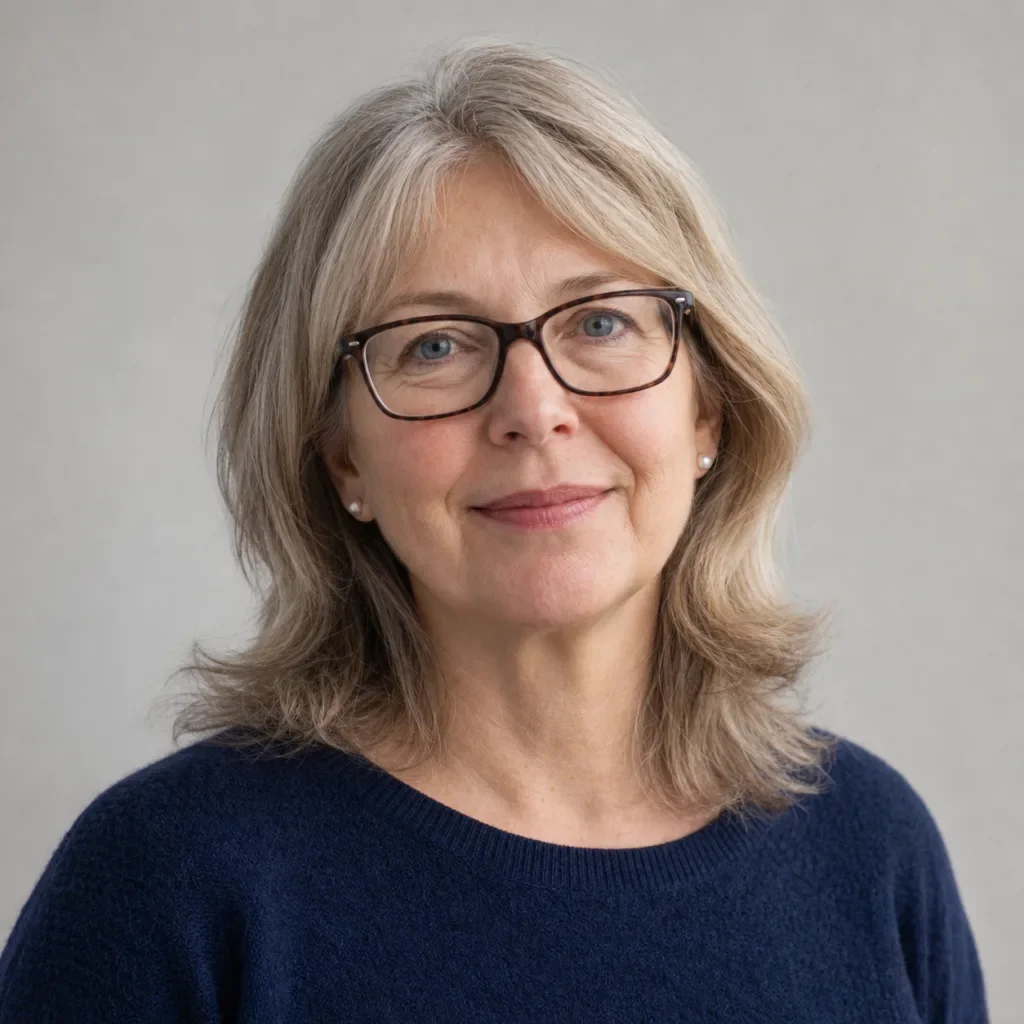
Kaisa Lehtinen
Public learning lead
Kaisa turns climate evidence into practical learning that respects people’s constraints. She avoids shame, purity tests, and advice that mistakes individual choice for equal access.

Operations
Omar Haddad
Materials and procurement lead
Omar examines what products are made from, how they can be repaired, and which environmental claims are supported rather than merely familiar or attractive.
Still North and its employees are fictional. This page does not send an enquiry, make a booking, or connect you to a real research team. To discuss Monocle Search, contact the person who shared this demonstration with you.
Explore before you ask
The journal offers approachable starting points; the research library keeps methods and references close to the discussion. If a source, date, definition, or assumption is unclear, begin there. You do not need a perfect question to start reading carefully.