

Learn, discuss, and use
Resources
Take a good question into the classroom, the workshop, or an ordinary week.
Eight downloadable guides and workbooks, plus a library of 104 full papers. Each guide is supplied as a complete, searchable PDF. No purchase, checkout, or account is needed for these resource links.
Fictional demonstration materials. Not peer reviewed. Still North is a fictional institute. The guides distinguish cited evidence from invented examples and do not replace local authority, research agreements, field-safety procedures, or professional advice. The original home guide retains its source-demo branding inside the PDF.
Eight guides to download and keep
Choose the guide that fits the task. The descriptions below explain its purpose before you open the PDF.

Downloadable PDF · 3.6 MB
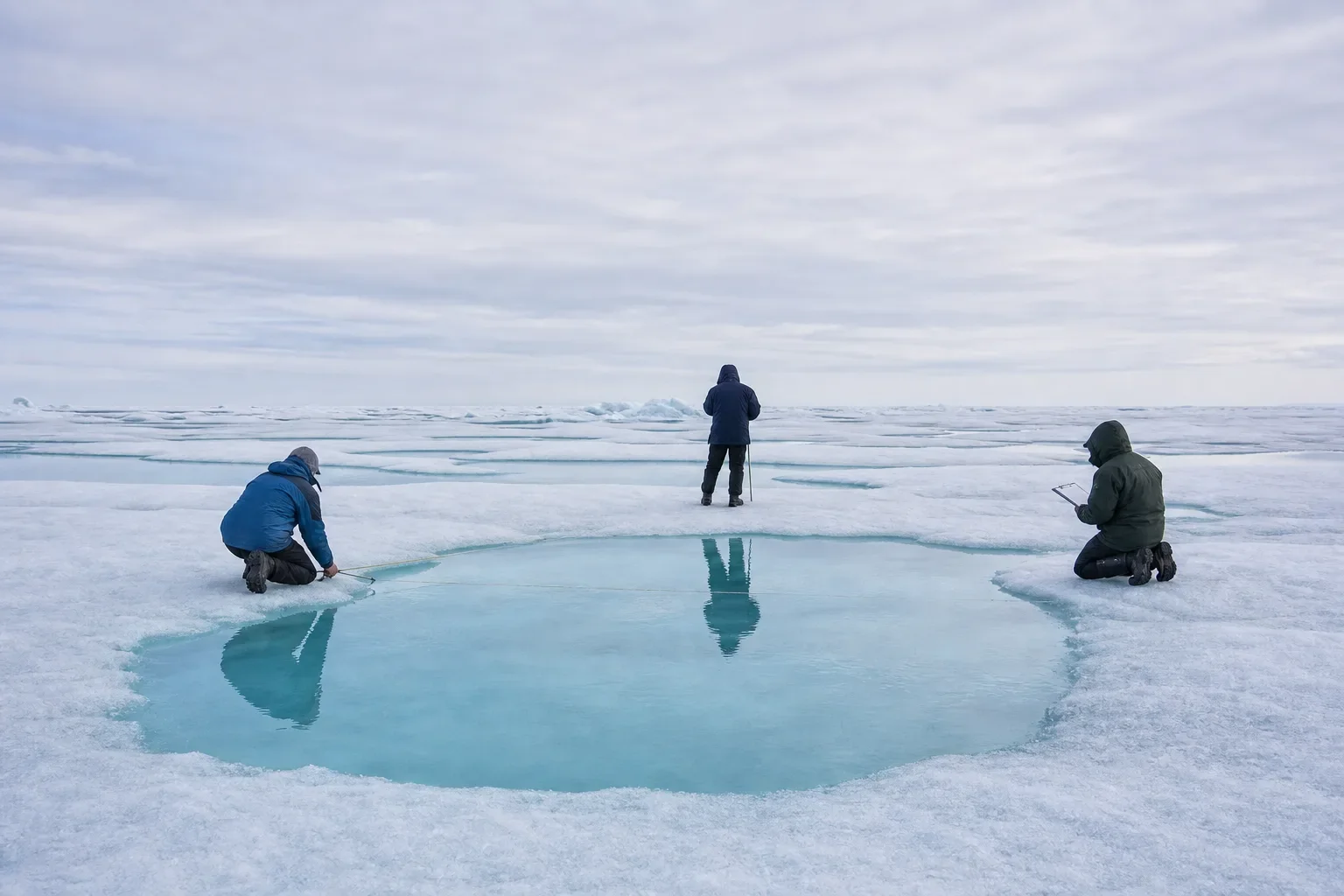
Reading an Arctic Evidence Chart
A practical guide to quantities, baselines, time windows, uncertainty, and defensible claims, with fictional worked arithmetic, comparison passports, and a reusable evidence-to-claim worksheet.
Downloadable PDF · 1.4 MB
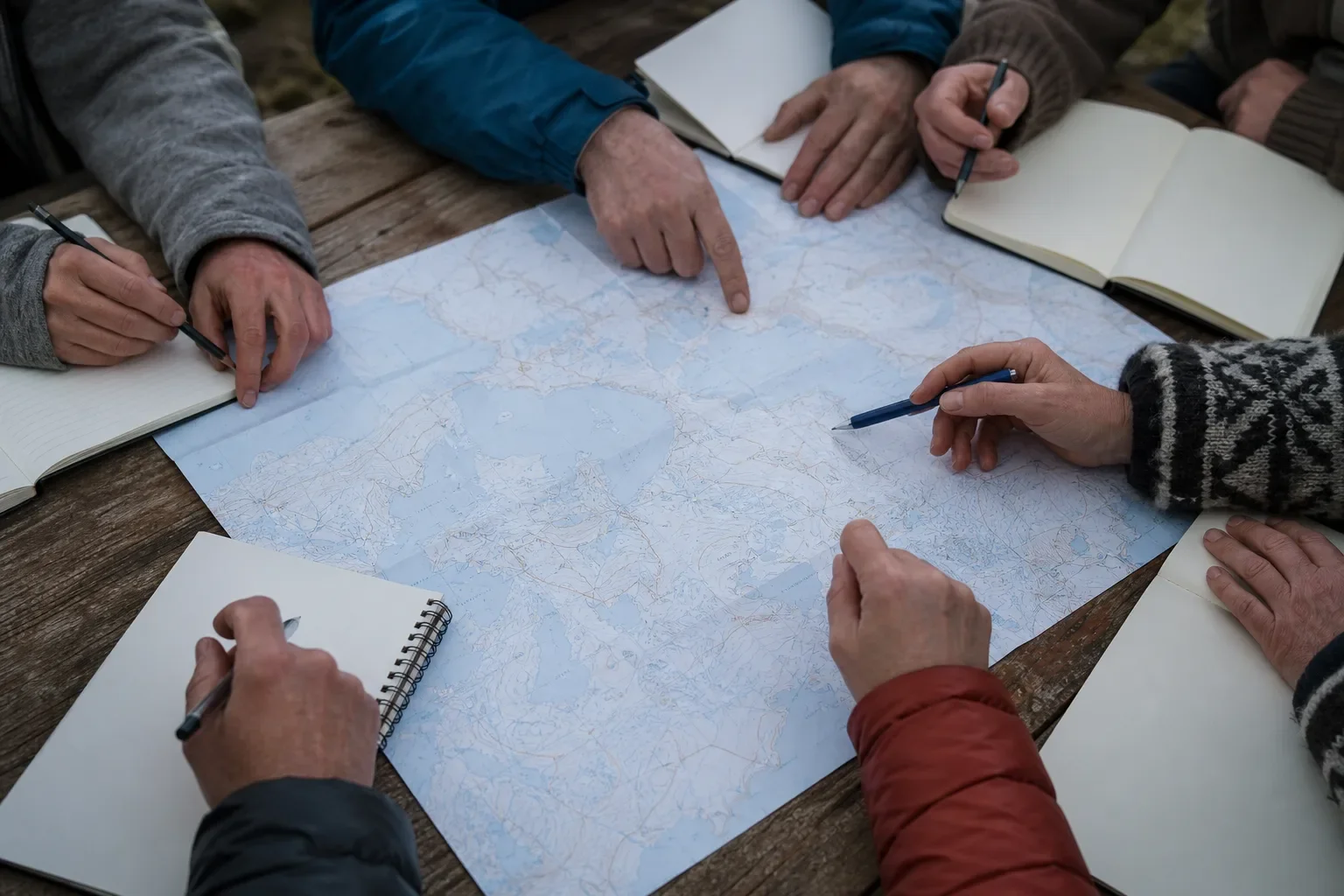
Observation Metadata Workbook
A collection passport, teaching data dictionary, selectable fictional CSV example, effort ledger, quality-review prompts, and a governance-aware handover exercise for observations that remain understandable.
Downloadable PDF · 2.4 MB
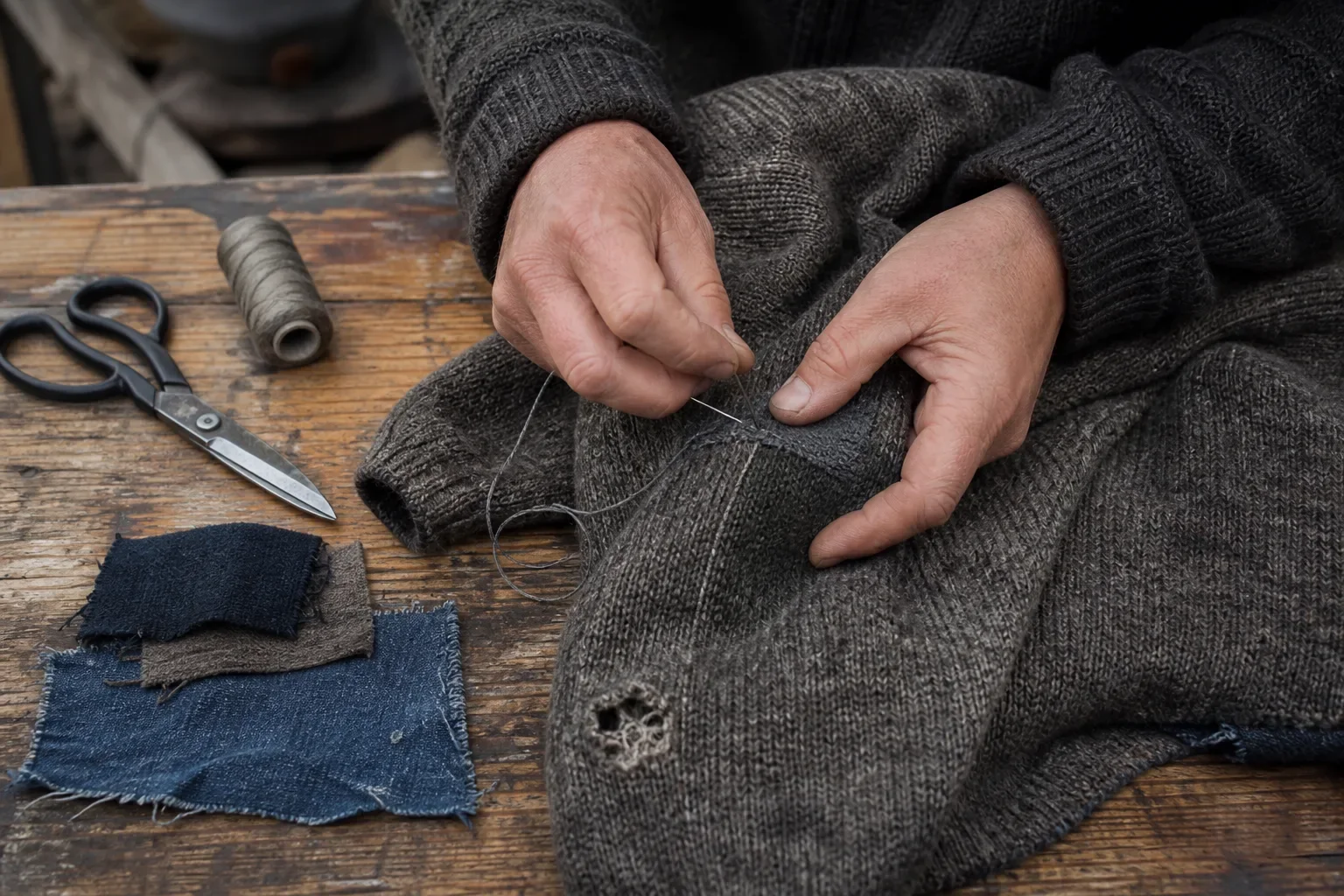
Community Research Questions and Governance
A discussion guide to research purpose, appropriate authority, resources, information control, disagreement, and accountable follow-up. Grounded in the National Inuit Strategy on Research without presenting a universal protocol or consent checklist.
Downloadable PDF · 3.1 MB
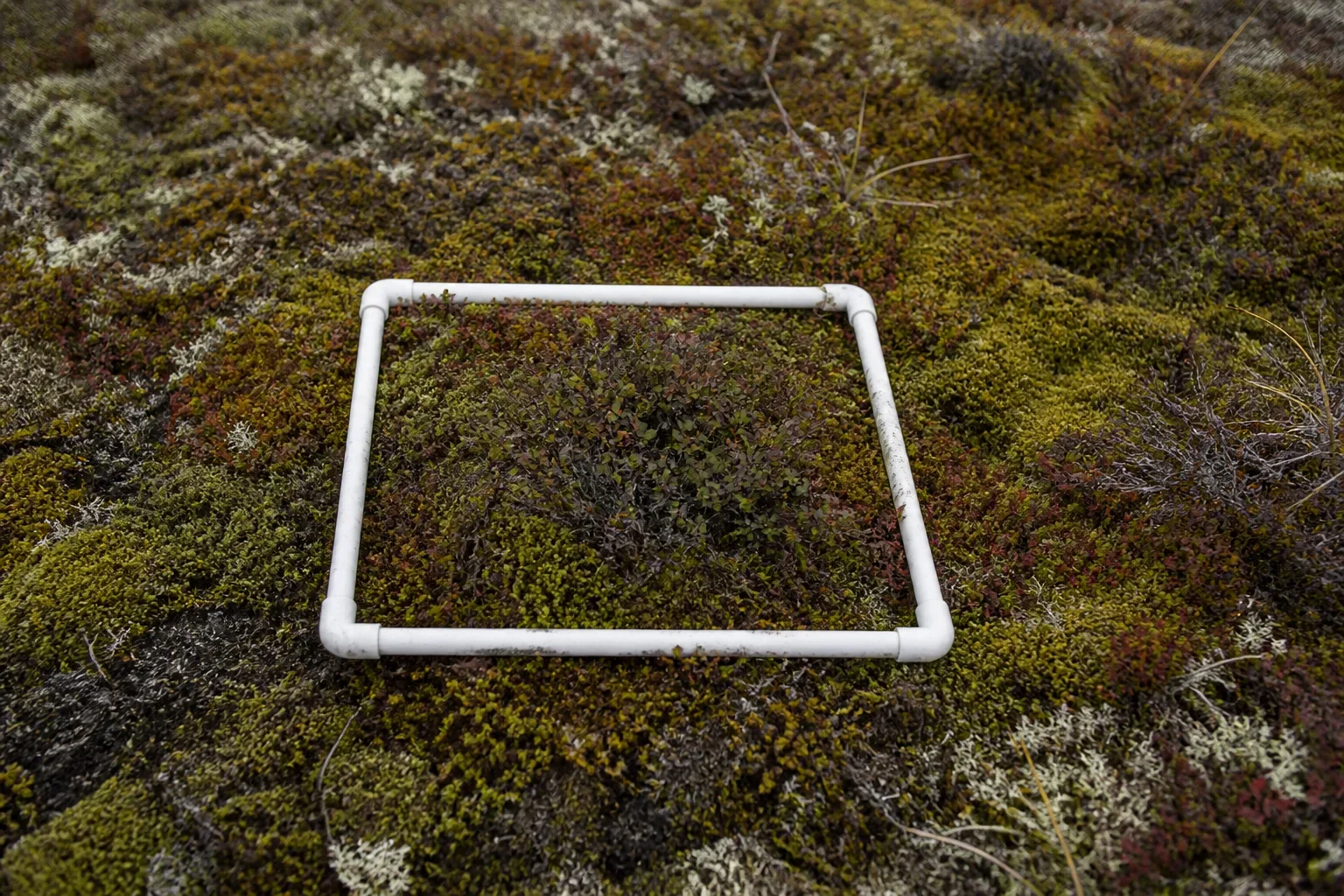
Repair and Procurement Decision Workbook
A service-first workbook with condition and safety boundaries, a fictional batch-repair cost comparison, supplier evidence questions, and a decision note that includes maintenance and end of use.
Downloadable PDF · 4.1 MB
Arctic Classroom Inquiry Pack
Two adaptable 45-minute sessions for learners roughly aged 12 to 16, using tundra greenness to practise source reading, question design, peer response, and distinctions between indicators and ecological outcomes.
Downloadable PDF · 1.1 MB
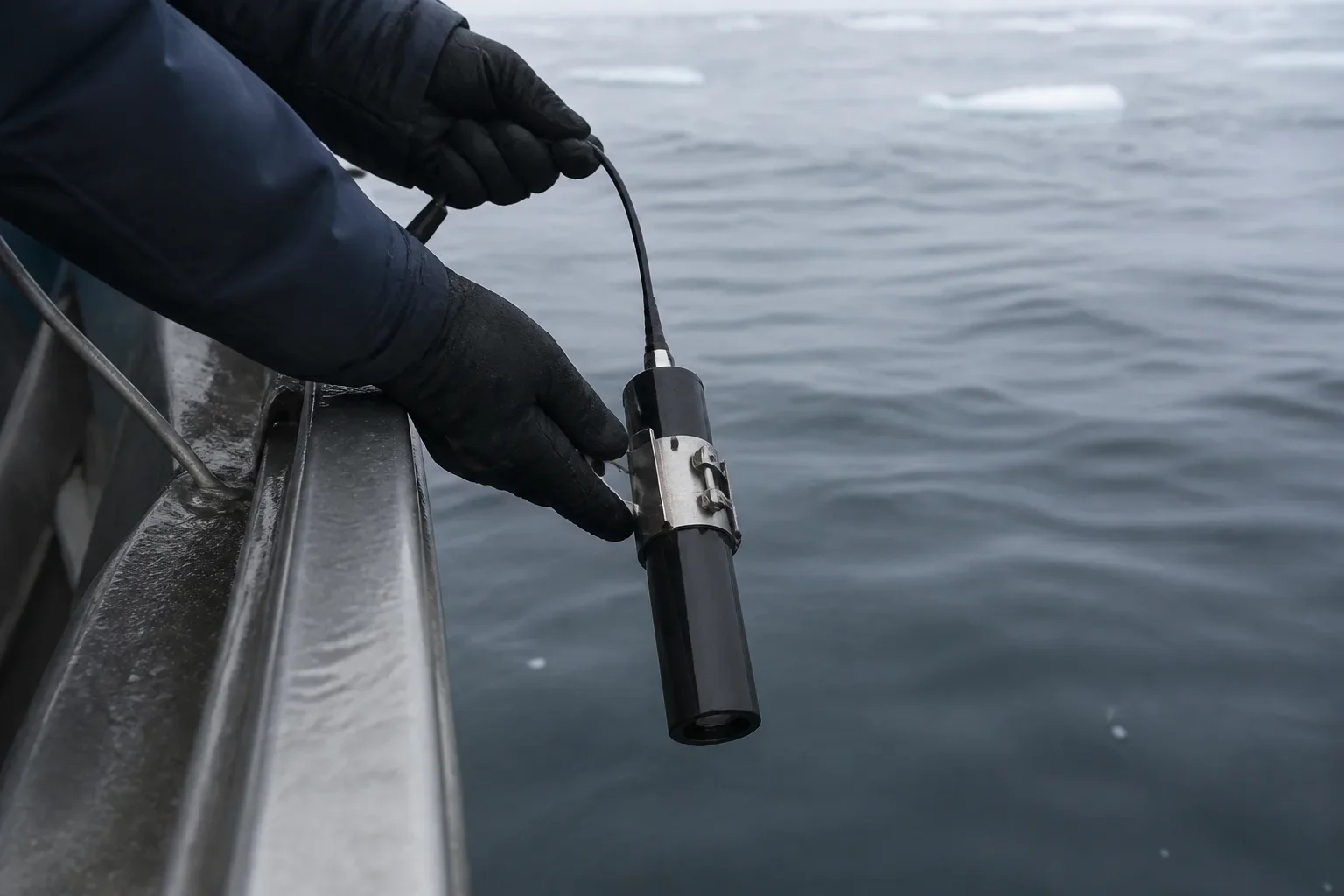
Acoustic Observation Listening and Data Worksheet
A provenance-first listening worksheet with recording and annotation templates, sample-rate and effort exercises, and links to real NOAA examples. Contains no audio, fabricated recordings, or invented spectrograms.
Download Acoustic Observation Listening and Data Worksheet (PDF)
Downloadable PDF · 1.8 MB
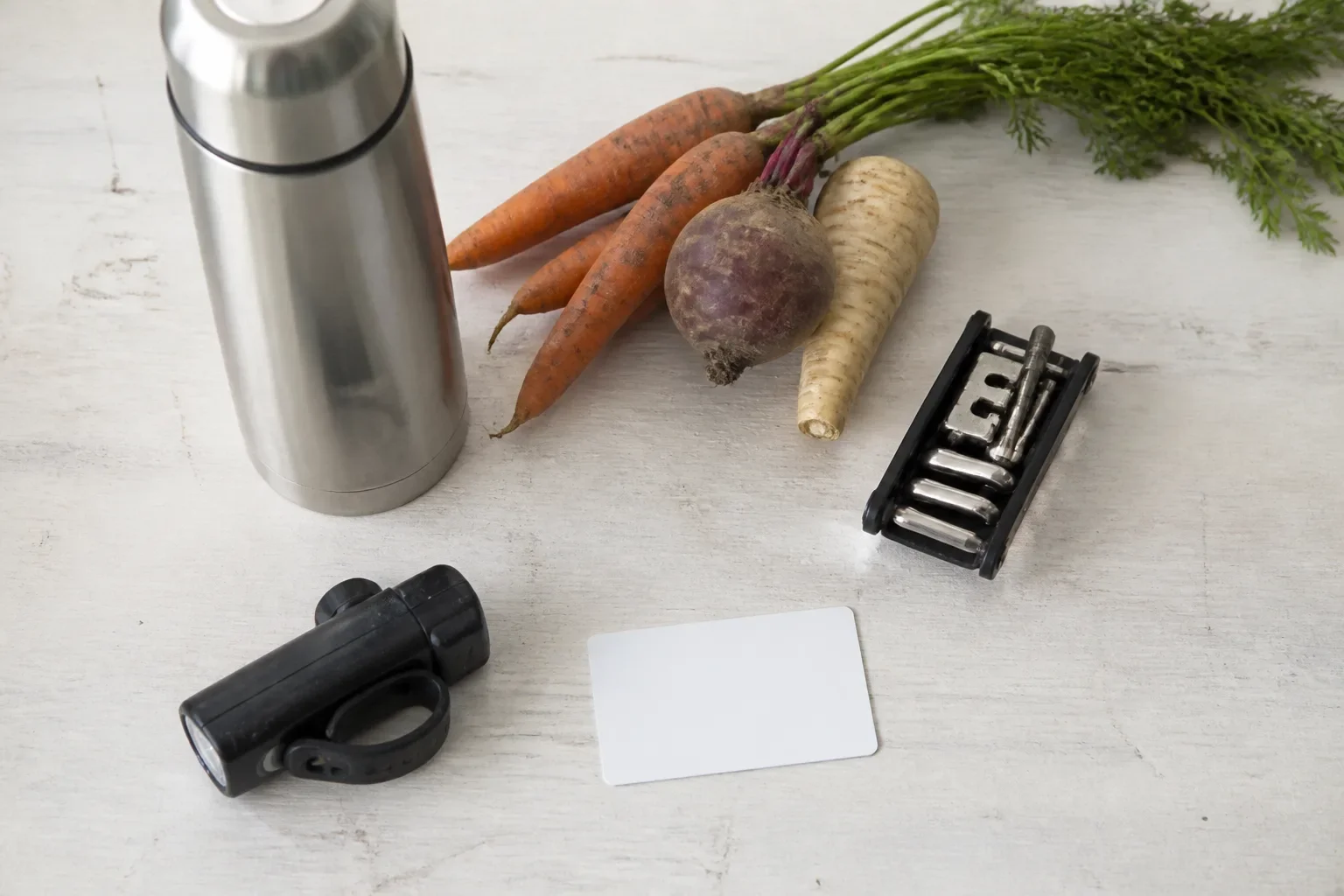
Low-Impact Home Field Guide
Seven practical days for travel, heat, food, repair, and collective action. Record constraints and useful observations rather than an invented footprint score.
Downloadable PDF · 2.2 MB
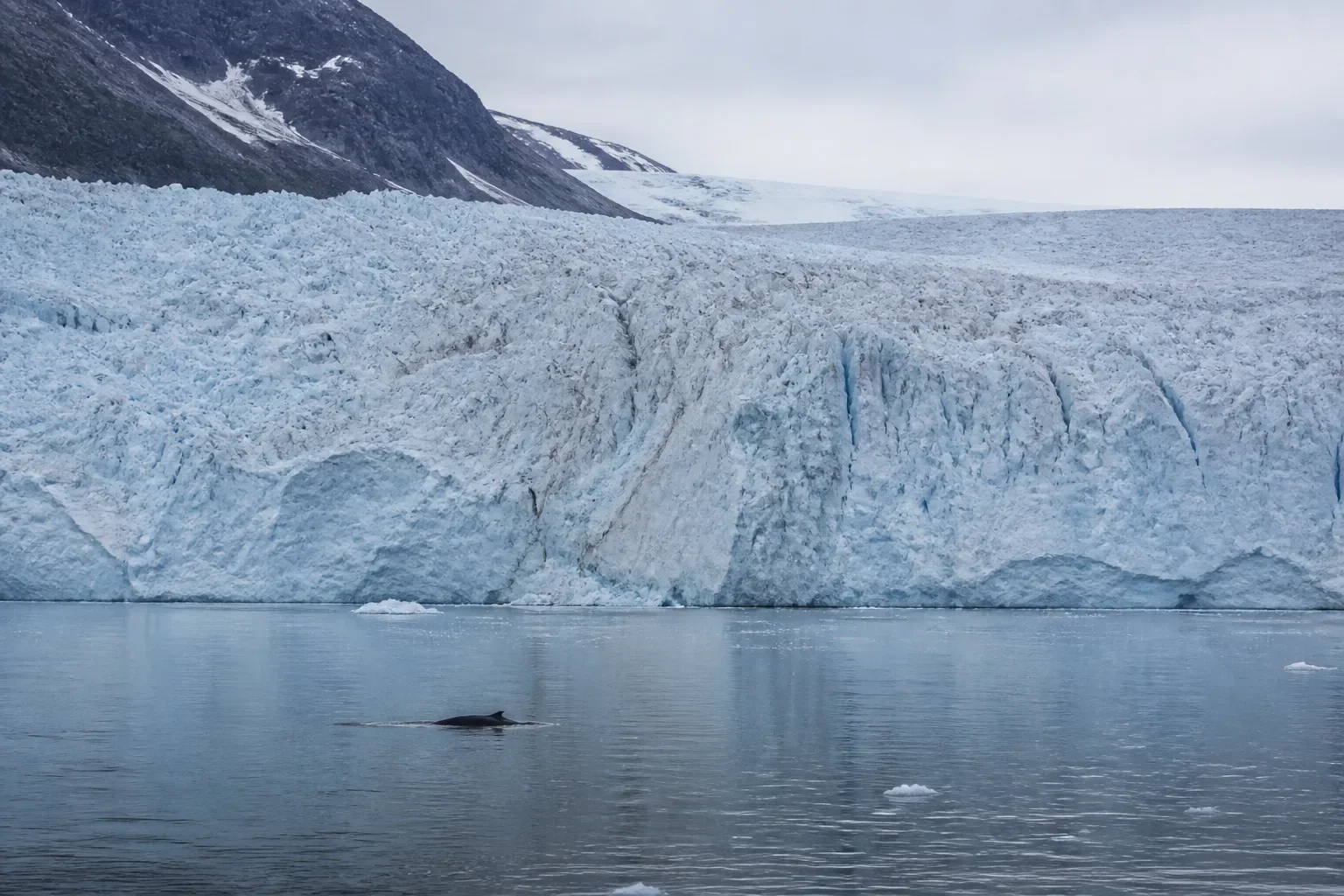
Arctic Change in 2025
A compact reading of selected NOAA Arctic Report Card 2025 results, keeping periods, baselines, units, ranks, and uncertainty beside the claims.
Choose a route through the material
For a class or public discussion
Start with Reading an Arctic Evidence Chart to inspect quantities, baselines, and uncertainty. The Arctic Classroom Inquiry Pack provides two adaptable sessions for learners roughly aged 12 to 16. The Arctic Change in 2025 brief gives a concise, sourced starting point without turning every indicator into one story.
For observations that remain understandable
Use the Observation Metadata Workbook before collecting or sharing data. Pair it with the Acoustic Observation Listening and Data Worksheet when discussing recording provenance, sample rate, annotation, or effort. The listening worksheet links to real NOAA examples; it does not contain audio or fabricated recordings.
For decisions involving people and resources
The Community Research Questions and Governance guide begins with purpose, authority, and information control, not a universal consent checklist. The Repair and Procurement Decision Workbook considers the service an item provides, safety boundaries, supplier evidence, maintenance, and end of use. The Low-Impact Home Field Guide turns those questions into a practical week without a purity score.
Continue into the 104-paper research library for longer evidence reviews, methods notes, and practice essays, with native author, topic, and paper-type filters.