

 Image 1 of 1
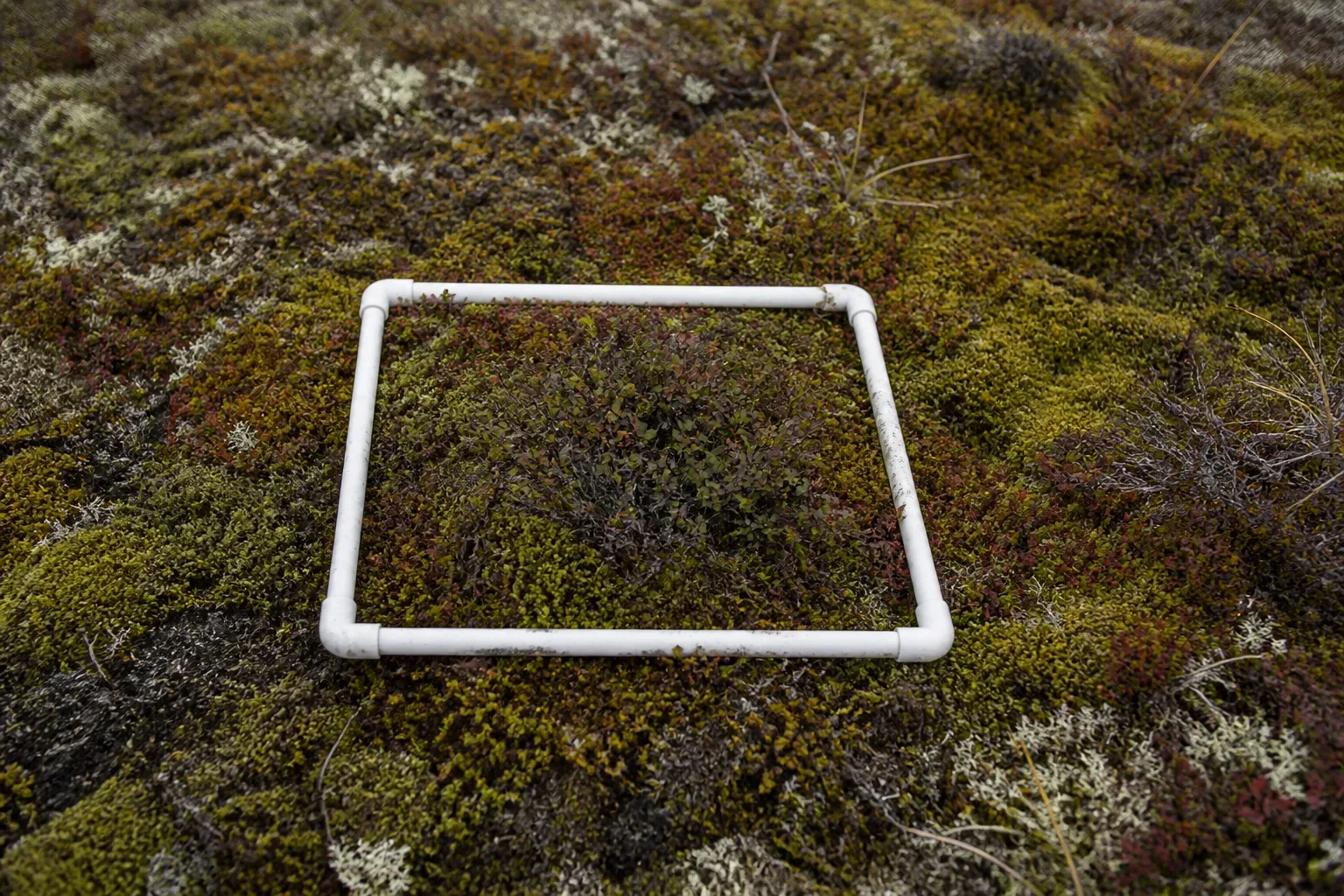
What can a greener tundra tell us, and which questions remain open? Kaisa Lehtinen’s classroom pack uses that contrast to help learners move from noticing a claim to designing a question that evidence could answer. Priyanka Das provides the scientific editorial perspective.
Two adaptable 45-minute sessions are designed for learners roughly aged 12 to 16. Paraphrased NOAA source cards introduce tundra greenness and the meaning of an indicator. Learners compare careful and overstated sentences, develop inquiry notes, map possible relationships, and give a partner feedback grounded in source, scale, and uncertainty.
The teacher response guide explains what to look for without grading pupils’ climate attitudes or household choices. Suggested oral, typed, drawn-and-labelled, and supported written responses allow the same reasoning goal to be approached in different ways. No expedition, purchase, personal disclosure, community contact, or field collection is needed.
Format: one print-friendly A4 PDF with selectable text, learner prompts, question-revision examples, peer-response tables, and teacher notes. Linked NOAA material provides further context. No classroom equipment or dataset is included, and no curriculum accreditation or NOAA endorsement is claimed.
Demonstration item: Still North and its named staff are fictional. The price is illustrative; no payment, order, or fulfilment is offered.
Visit the guide library and reading resources for context and companion material. A native PDF download is attached to this product to demonstrate digital catalogue structure. This fictional shop does not process real orders.