

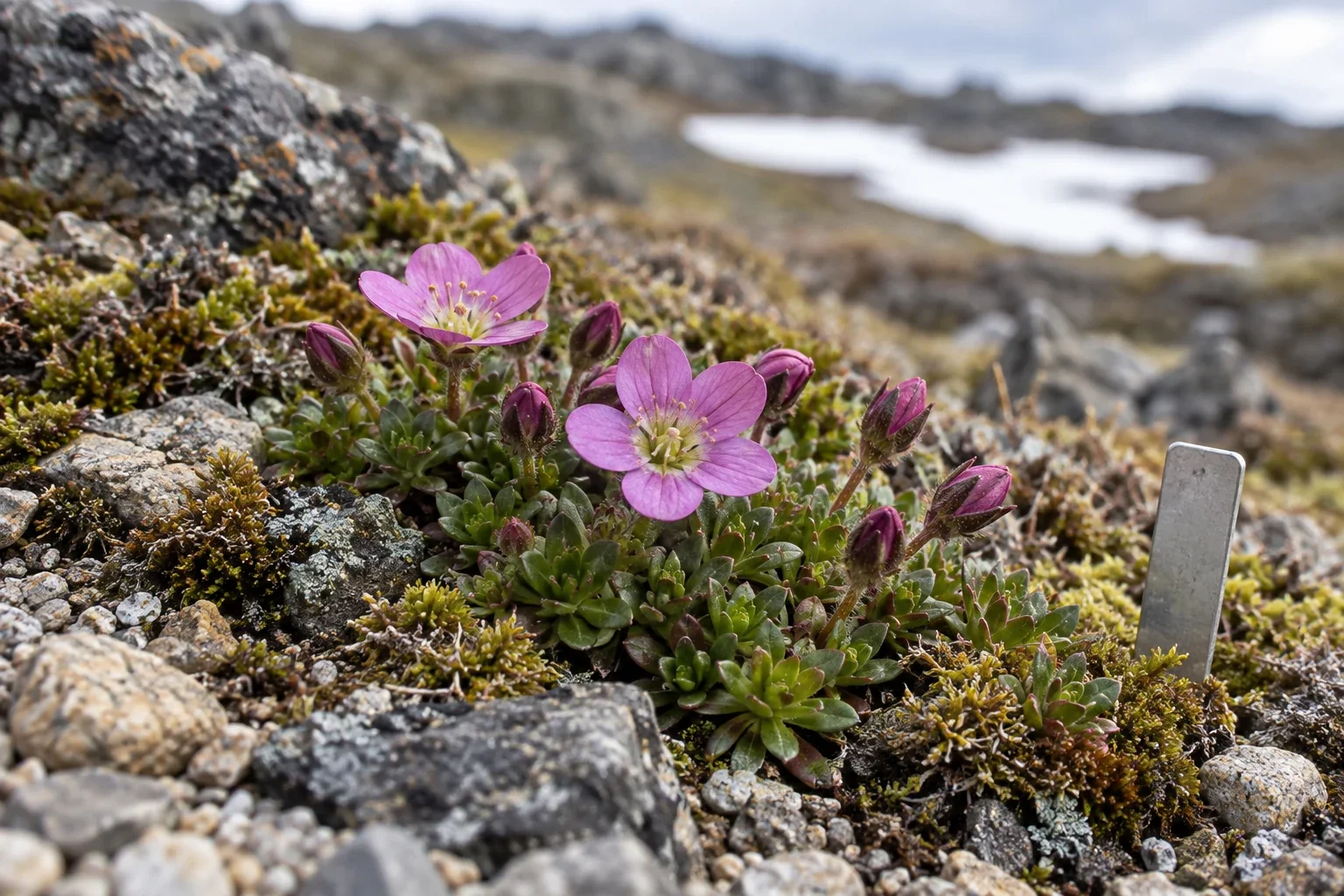
The first flower needs a previous visit
A first detection is not an exact onset date. Negative observations, visit intervals, and flowering intensity make phenology records more useful.
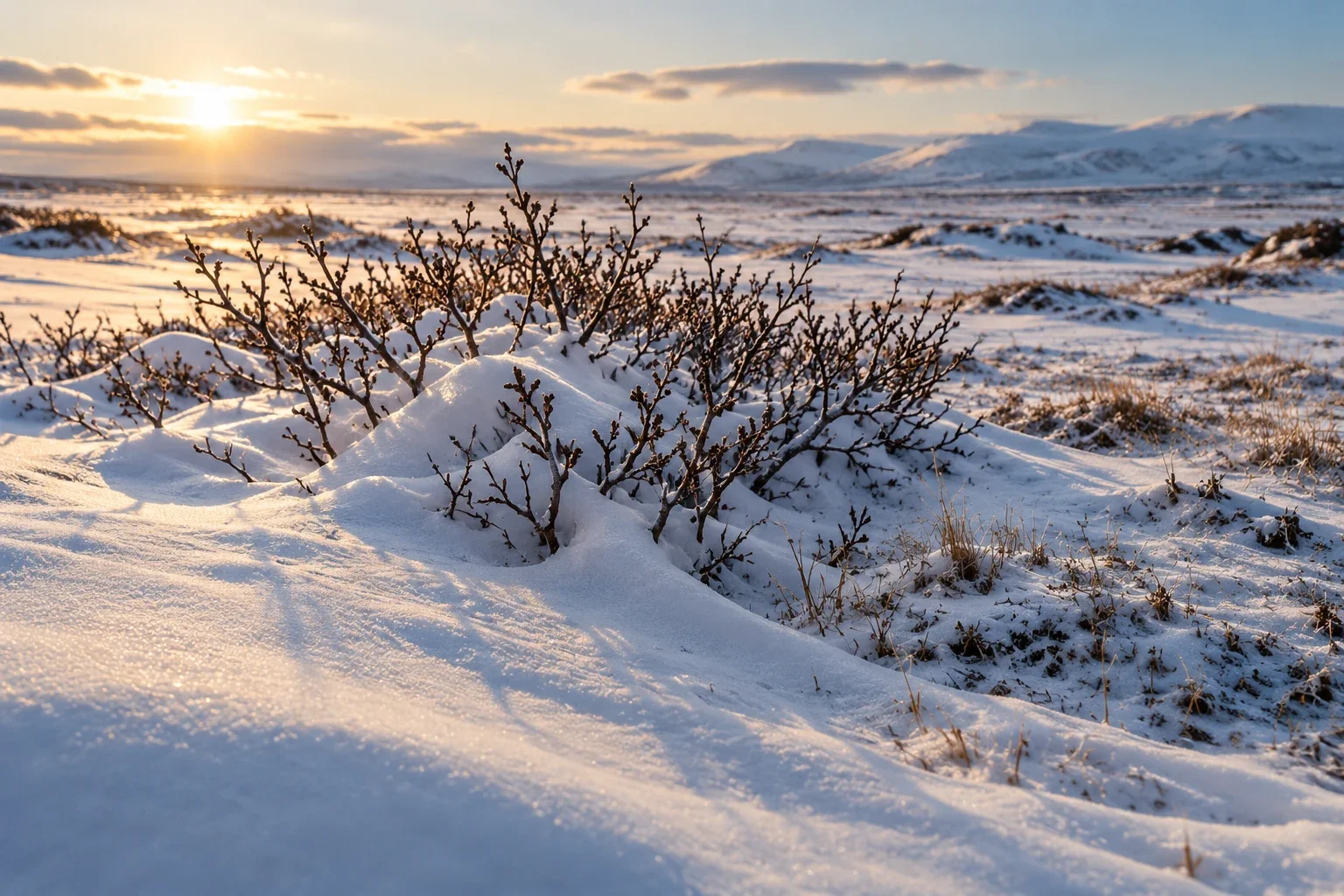
What taller shrubs do to winter
Shrubs alter snow structure, insulation, and sunlight. Published studies show why winter warming and summer soil effects must be read together.
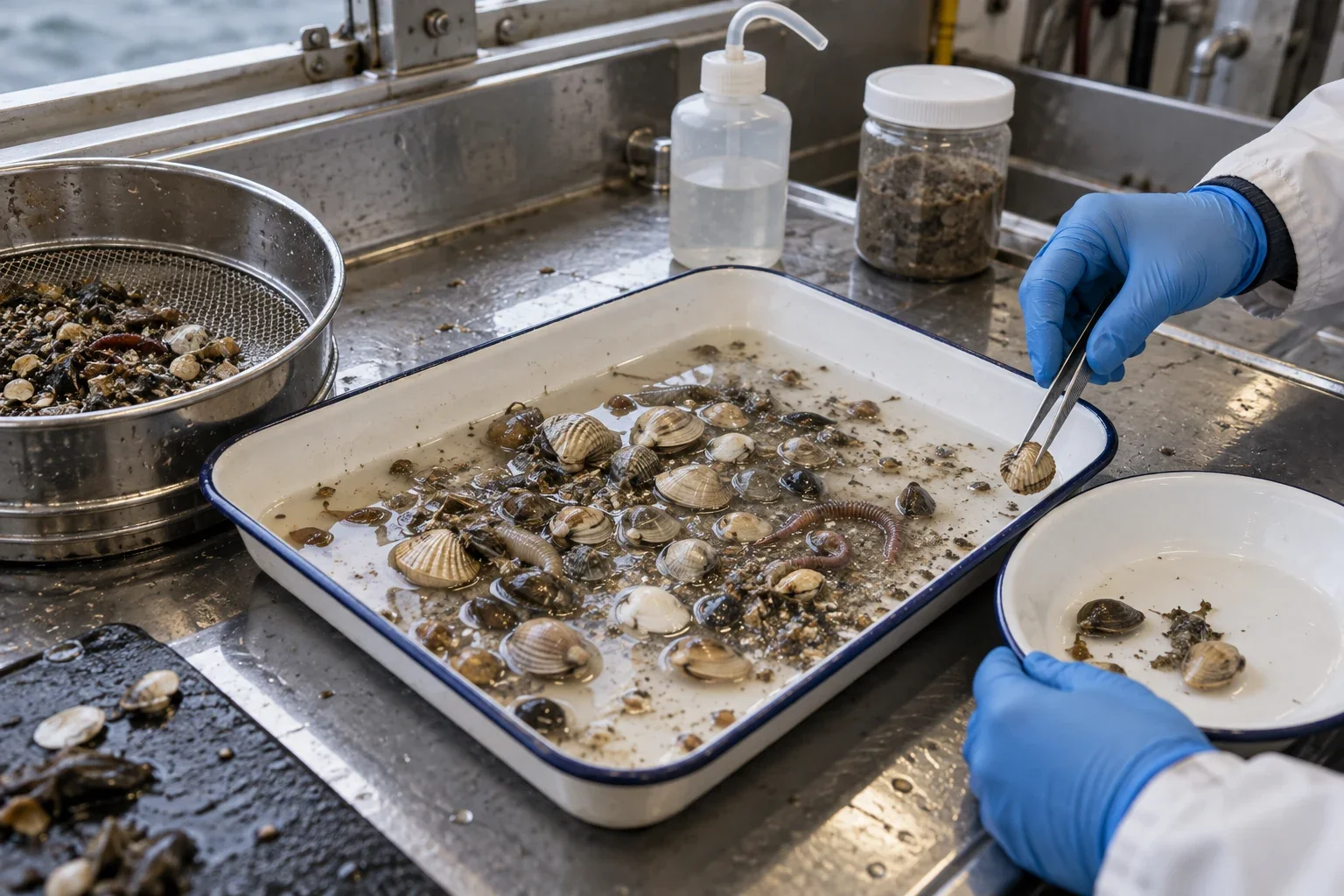
Testing a changing Arctic food web
A Bering and Chukchi Sea synthesis tests borealization against a different food-web mechanism. Mixed species responses, sampling gaps, and an exceptional first year sharpen the conclusion.
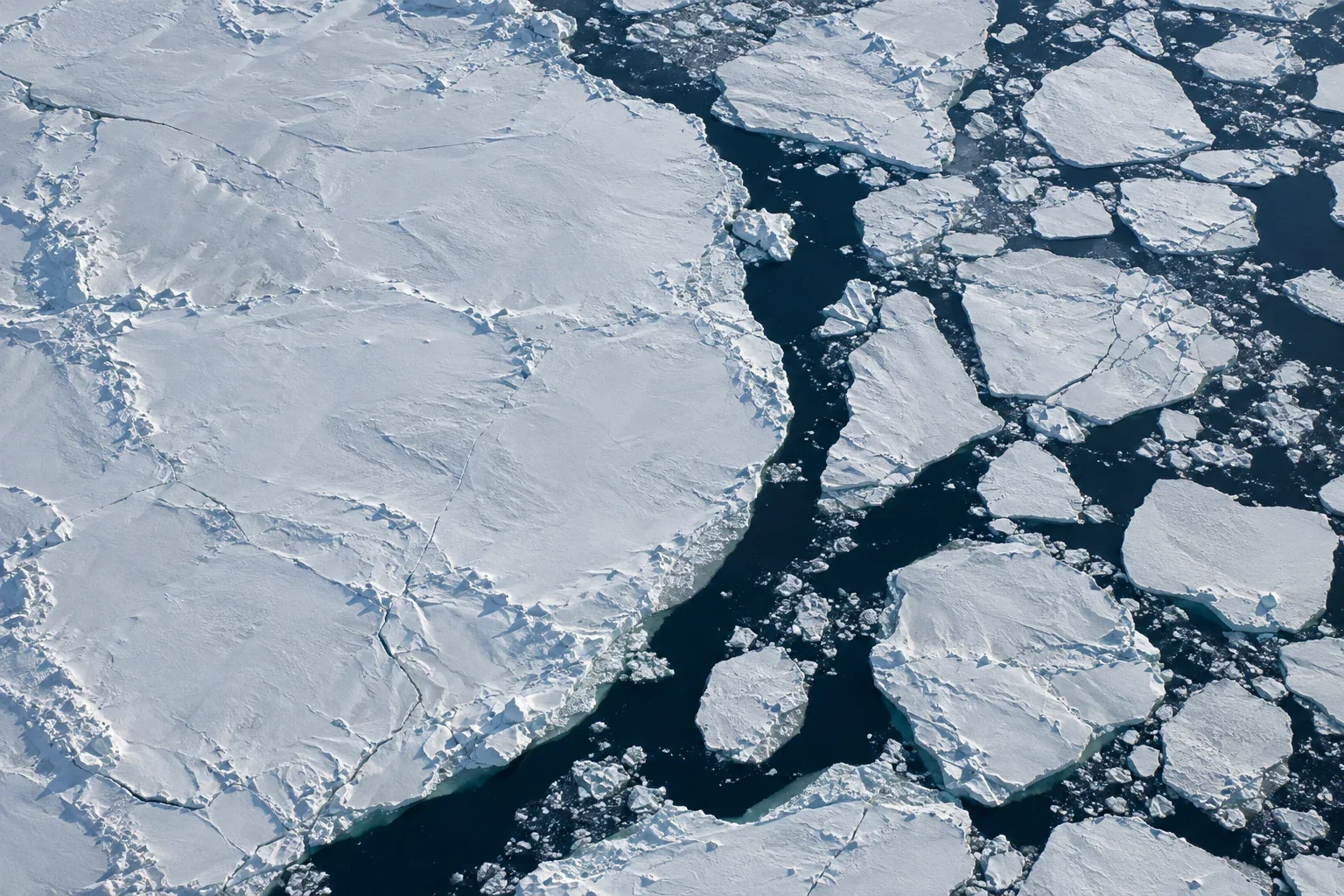
A sea-ice pixel is not a habitat map
Identical ice concentrations can conceal different floes, openings, and feeding opportunities. Habitat interpretation needs geometry, seabed context, compatible dates, and evidence of what animals actually use.
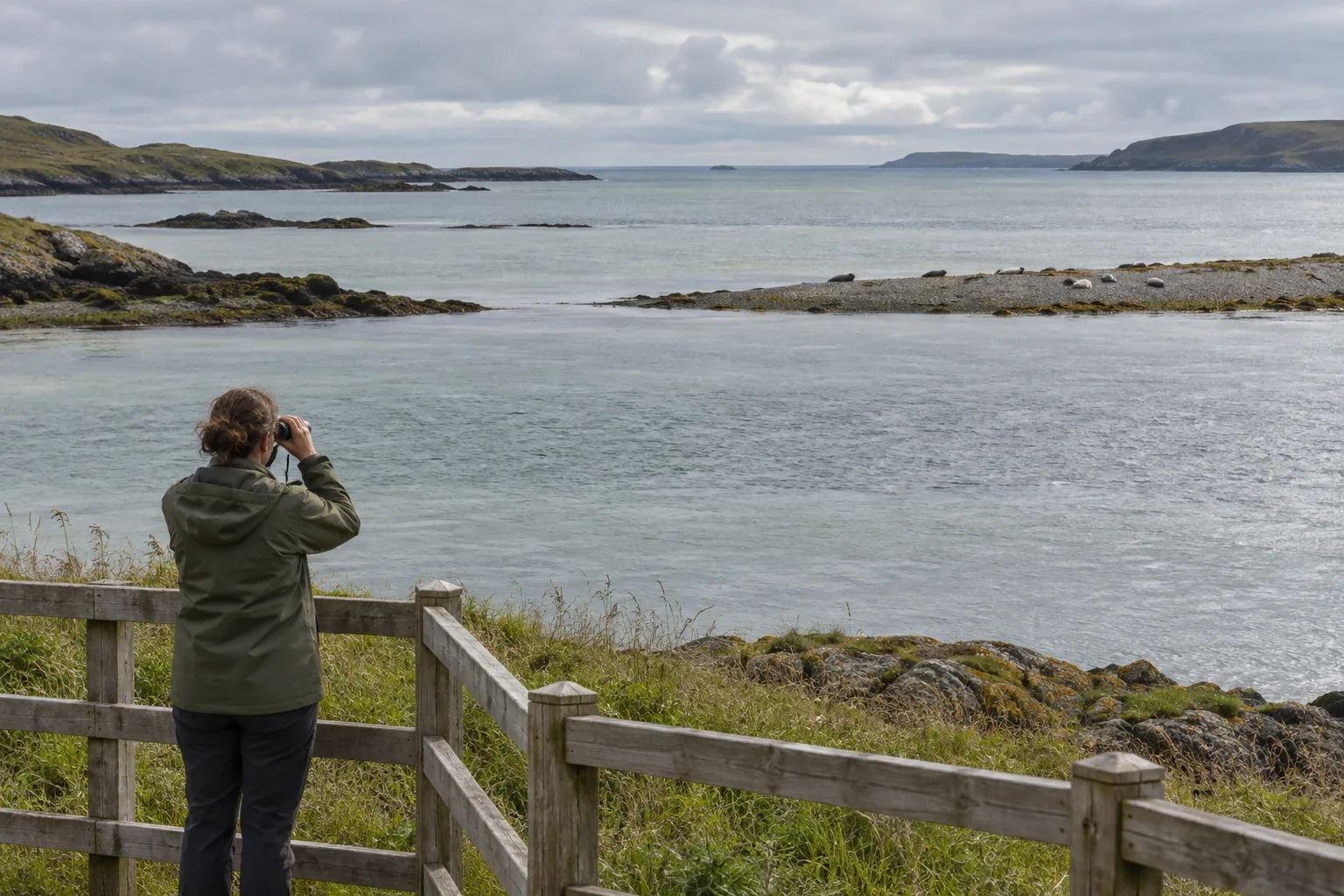
Distance is part of wildlife observation
A minimum distance is not a target. Compare two ways of taking the same photograph, and consider duration, crowding, local authority, sensitive locations, and research permissions.
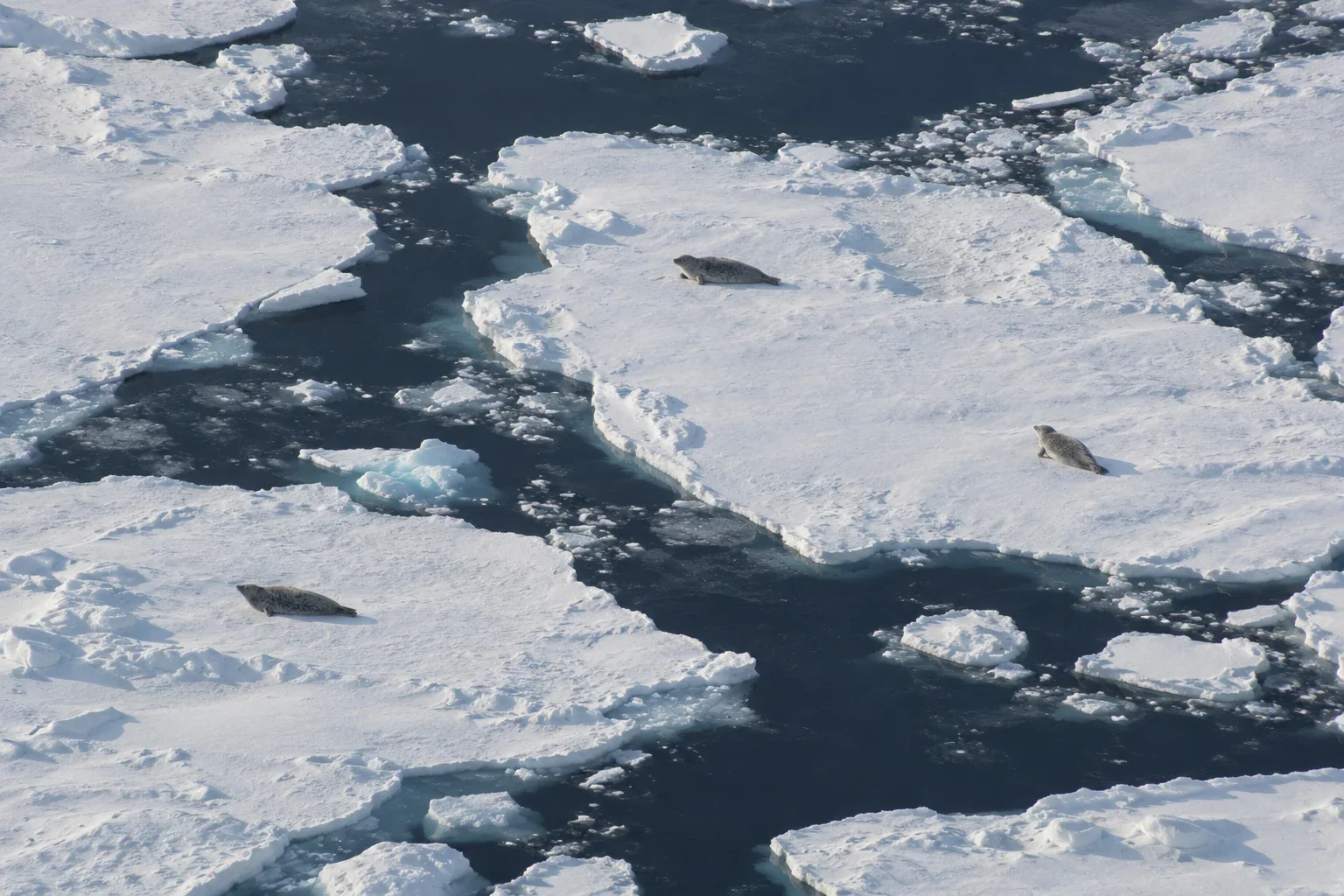
Counting the seals you cannot see
Aerial counts miss seals in water and snow lairs. Haul-out research shows how availability, visibility, survey conditions, and sampling determine what a population estimate can mean.
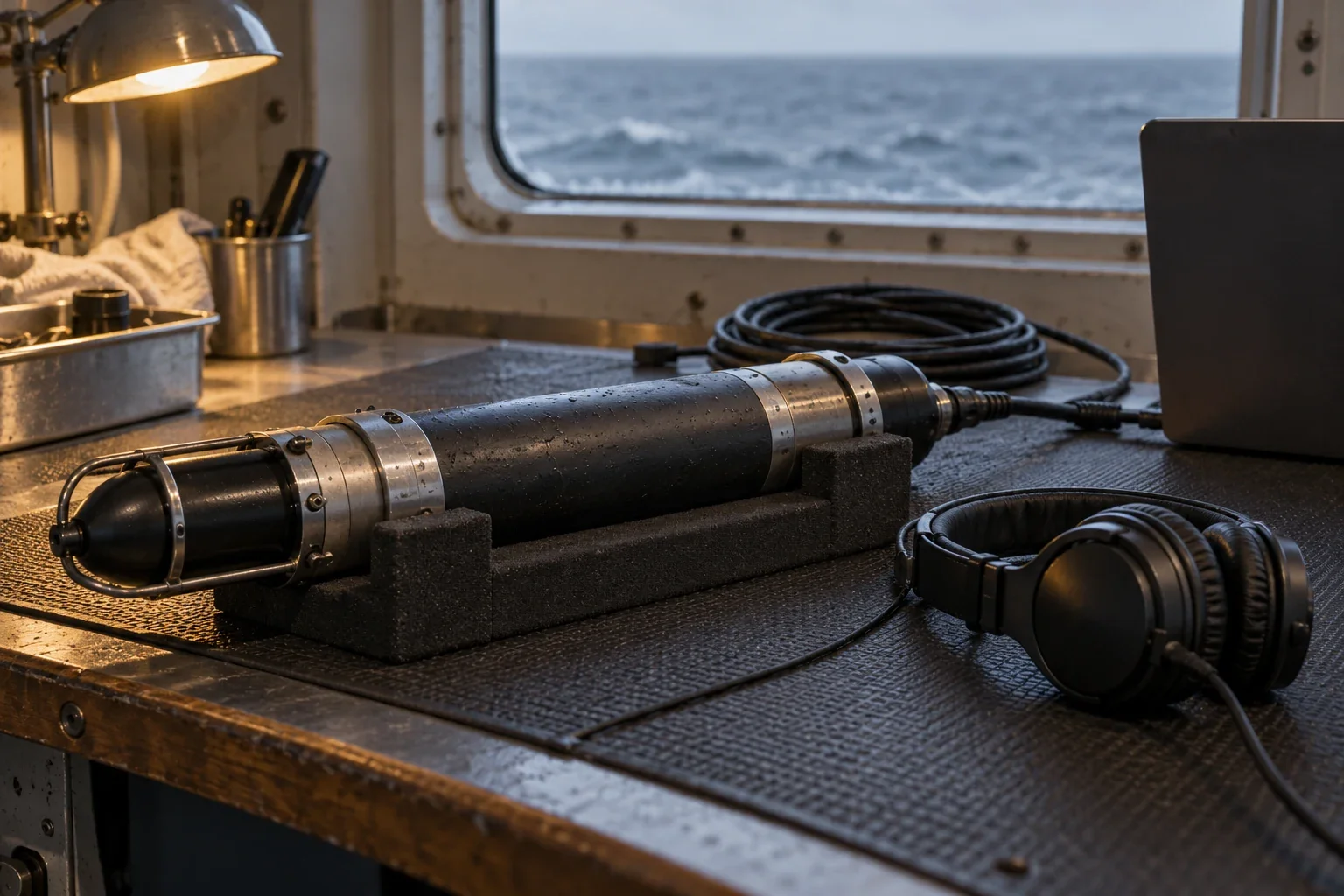
A quiet recording is not an empty sea
Recording schedules, changing noise, call rates, and detector thresholds shape acoustic non-detections. A worked comparison shows why silence is not a census of absence.
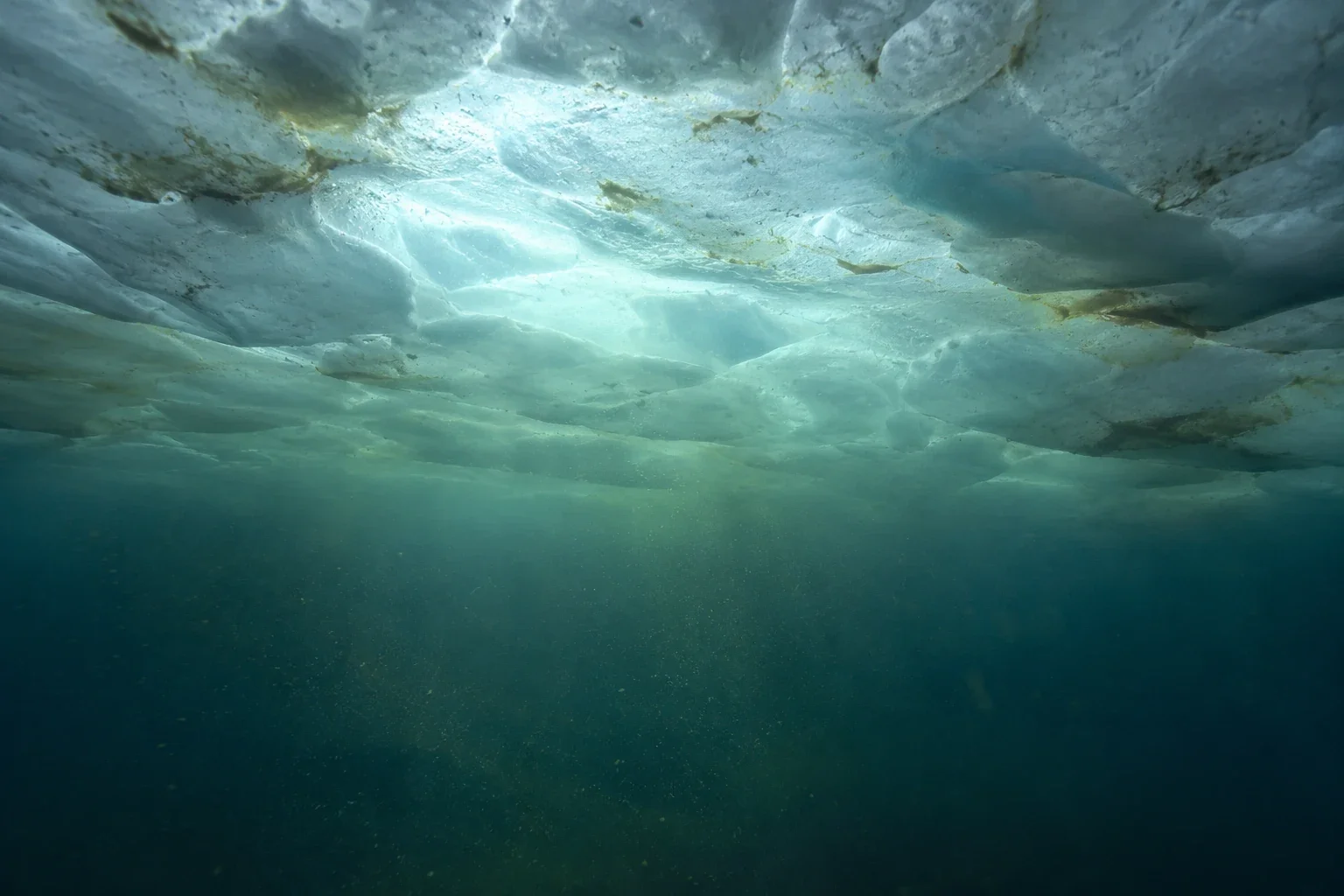
The bloom can begin before open water
Under-ice blooms complicate the seasonal calendar. Light transmission, nutrients, consumer timing, and satellite blind spots explain why open water is not the food web's starting gun.
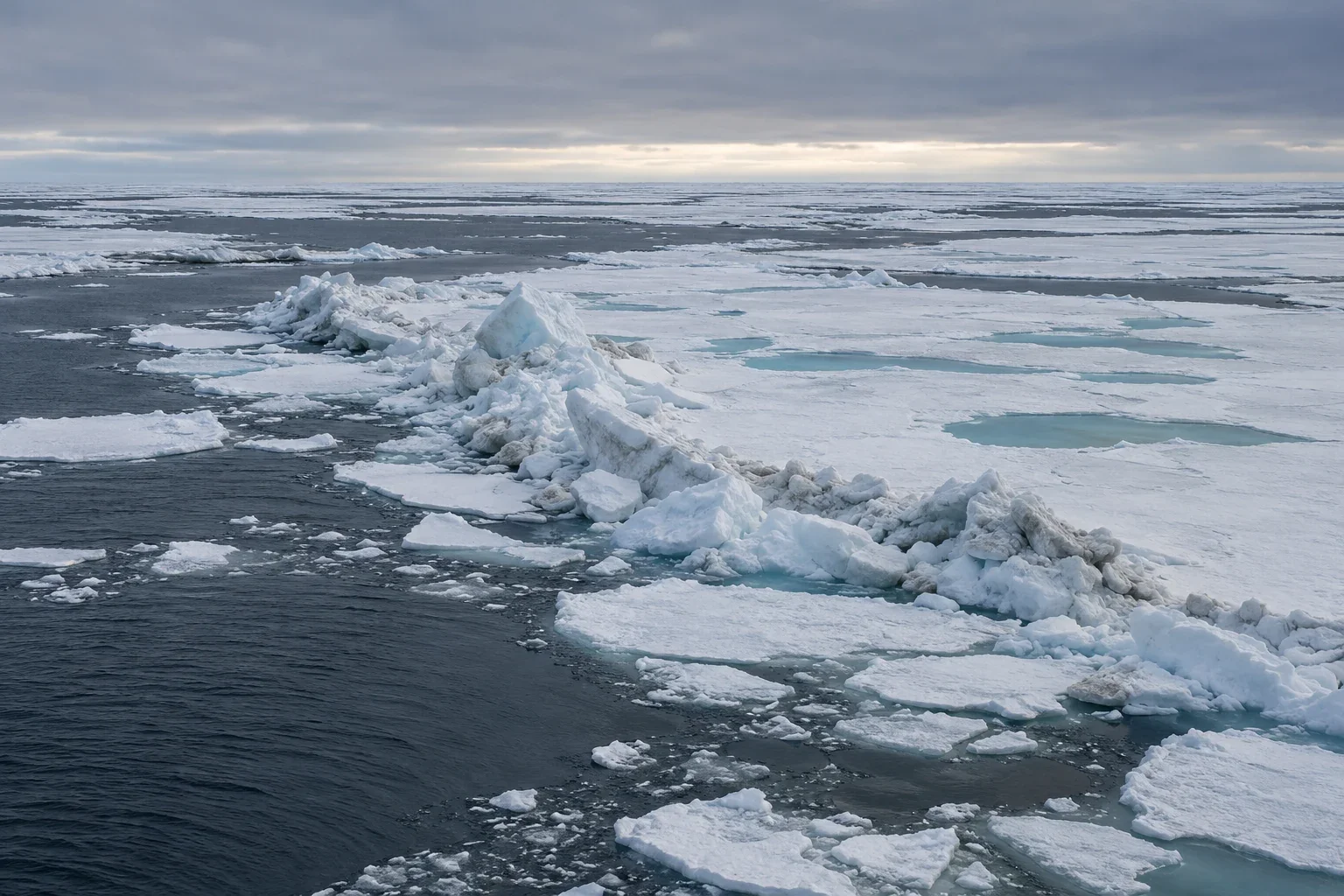
At the ice edge north of Svalbard
A careful reading of melt ponds, pressure ridges, kittiwakes, wildlife distance, and younger sea ice.
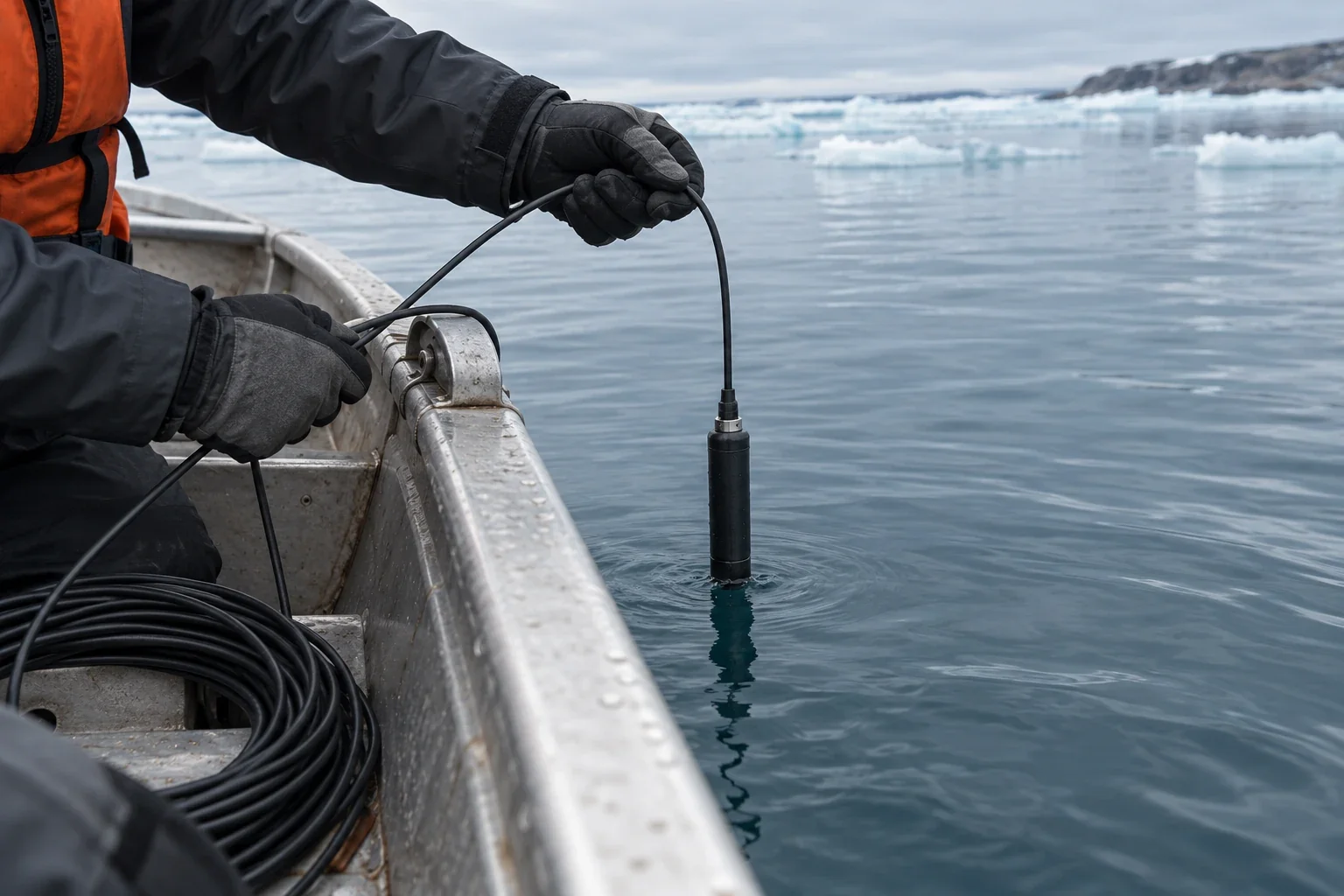
Listening for narwhals in Baffin Bay
What a hydrophone can record about narwhal calls, vessel noise, and uncertainty in a changing soundscape.
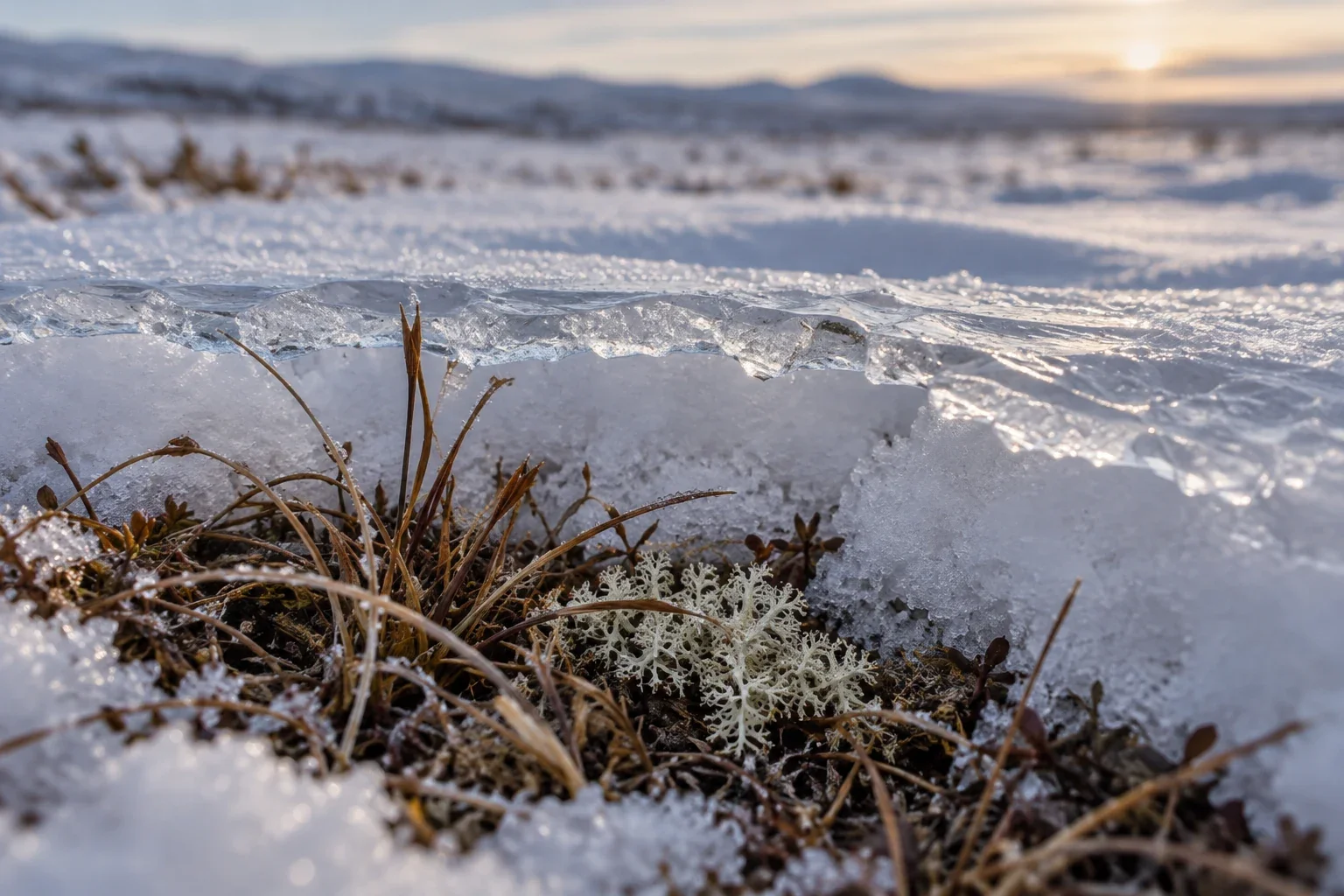
Rain on snow across the tundra
How ice crust can affect winter forage, why community observation matters, and why one event is not a trend.
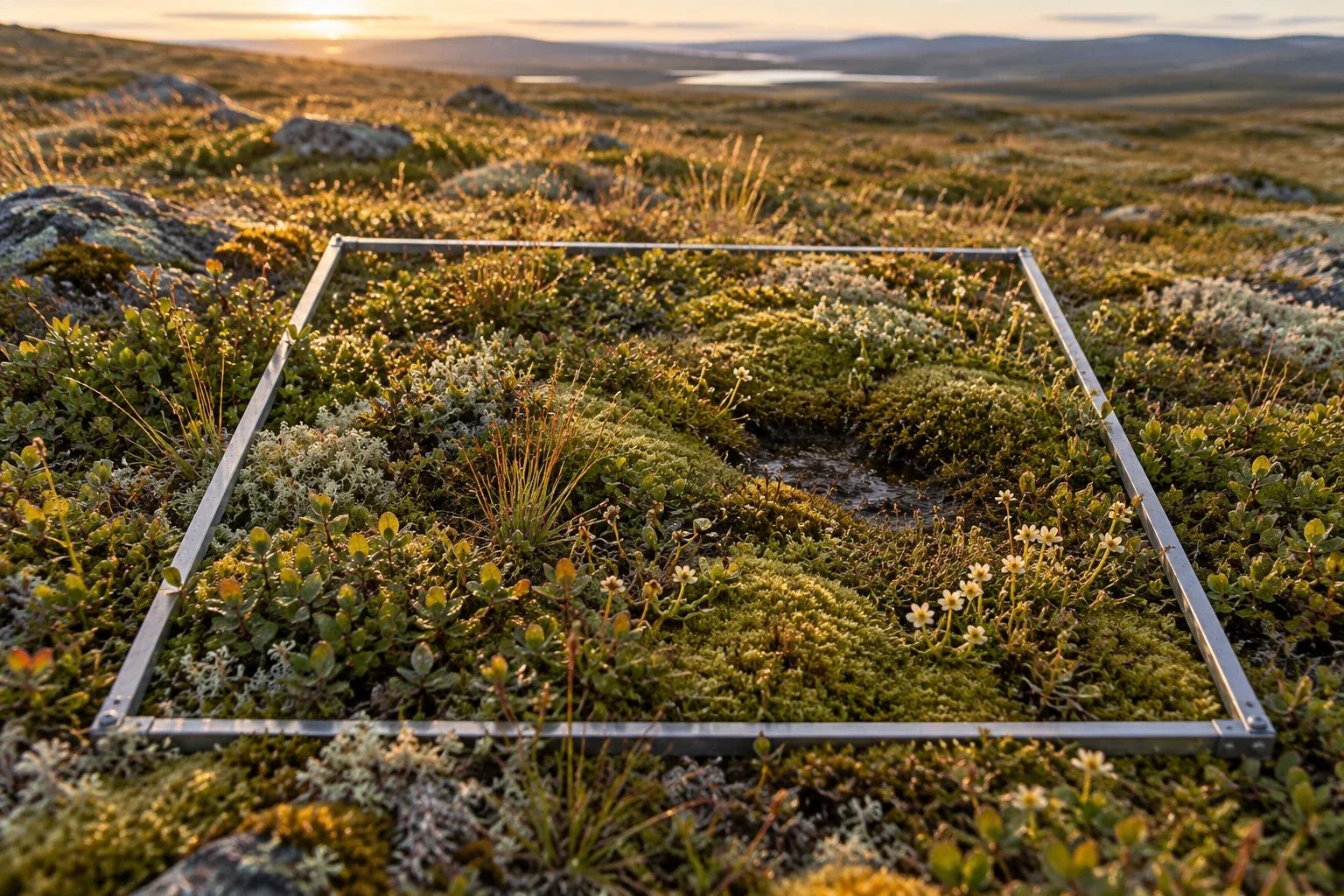
A midnight-sun tundra plot
Shrubs, insects, migratory birds, tundra greenness, and the daily rhythm around a small monitoring plot.